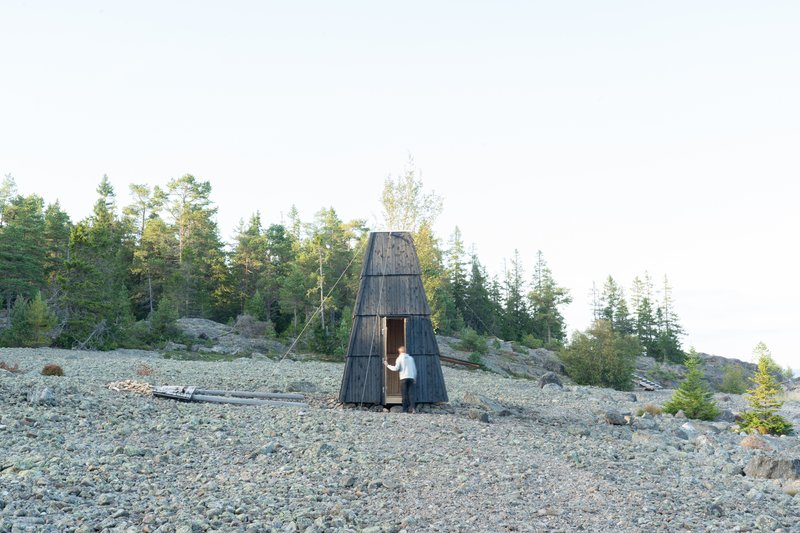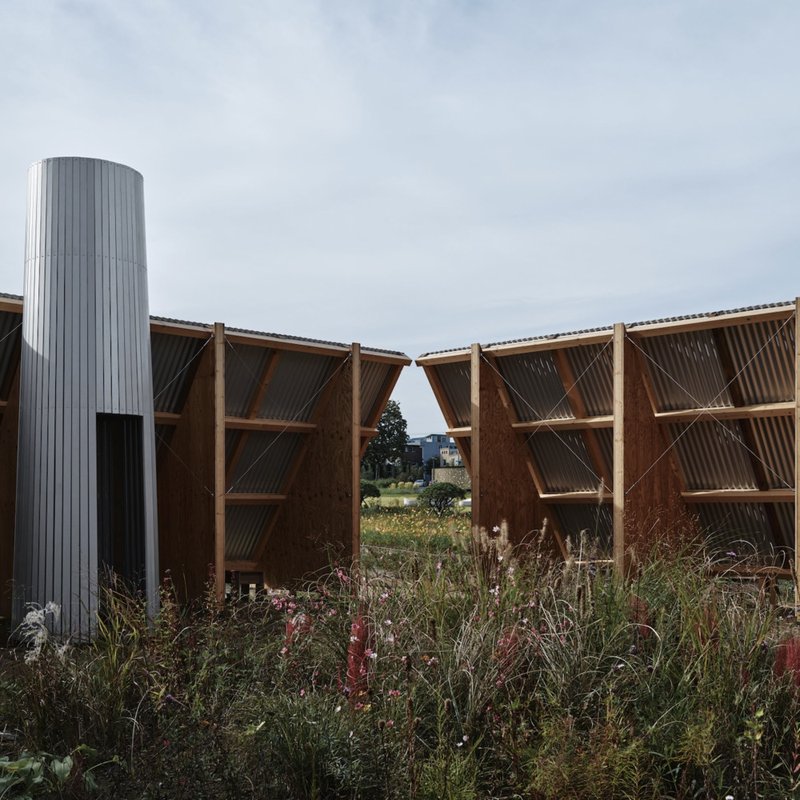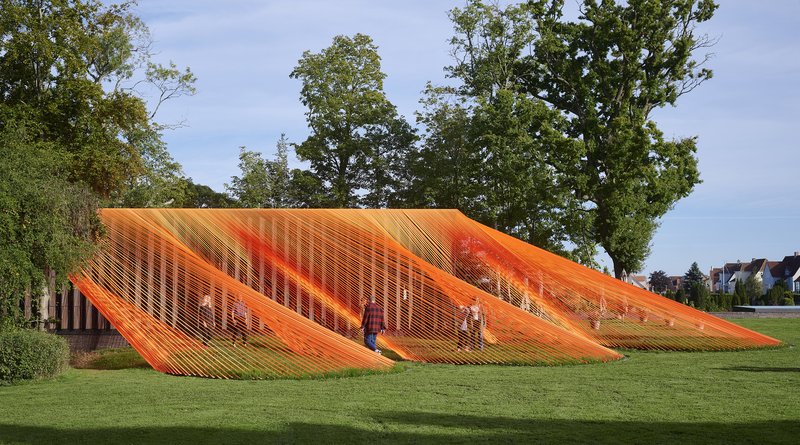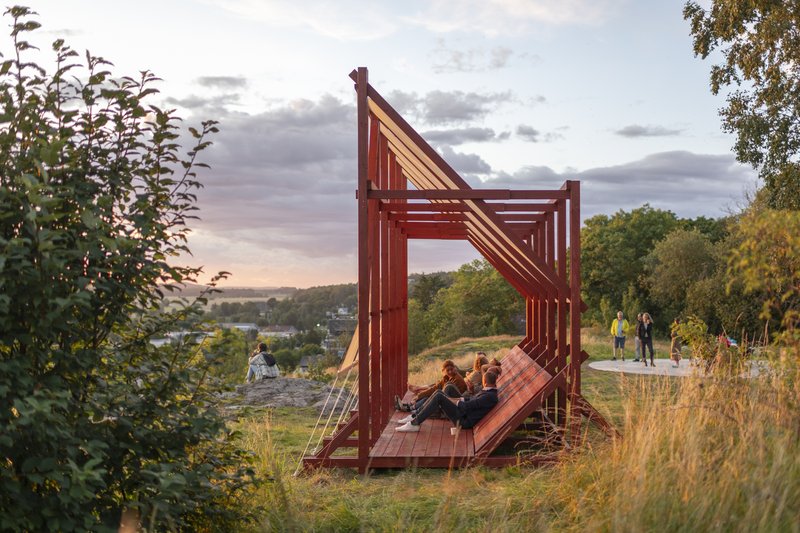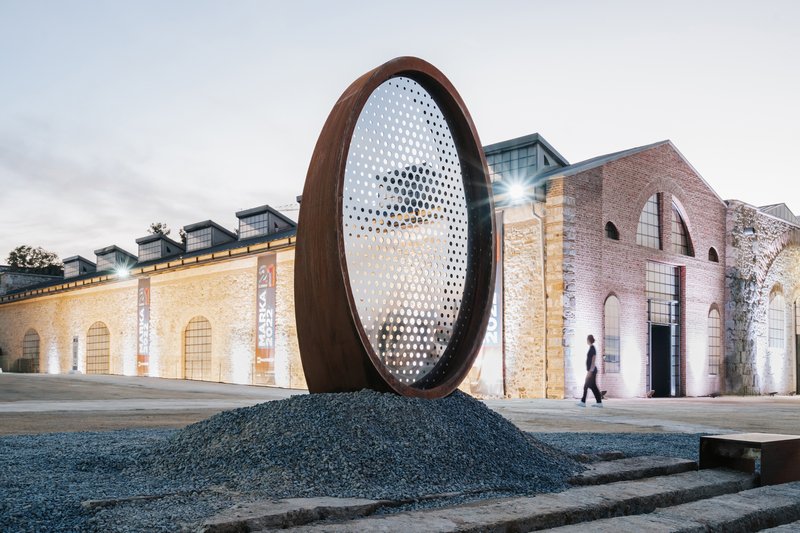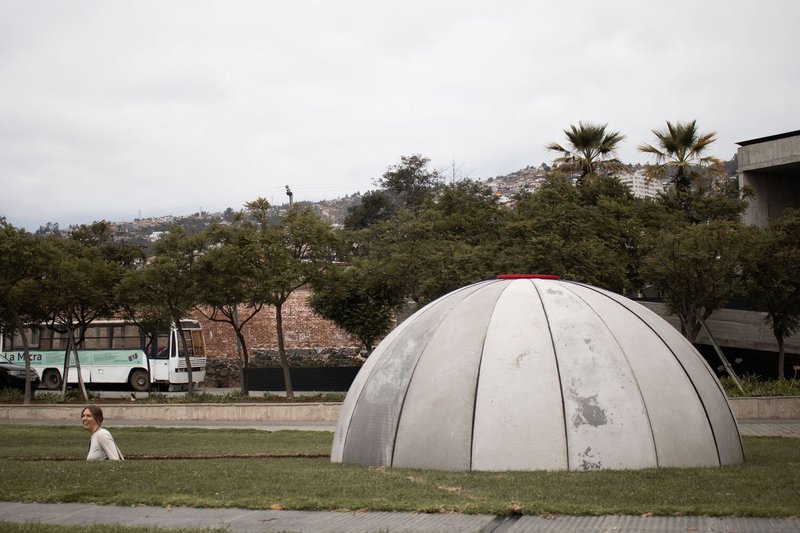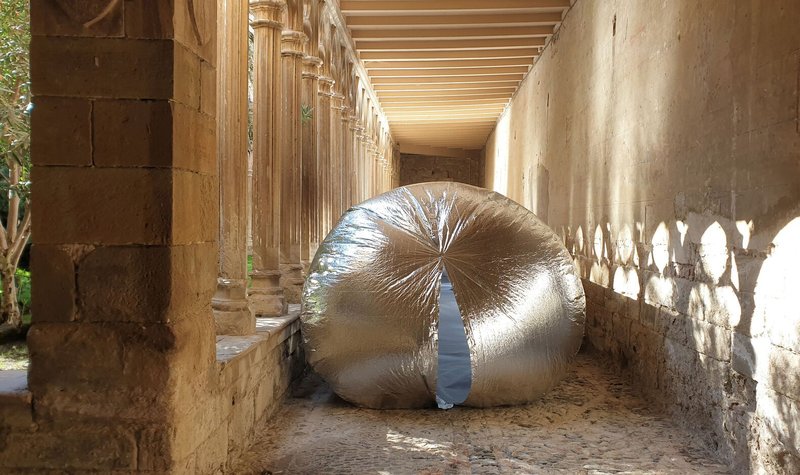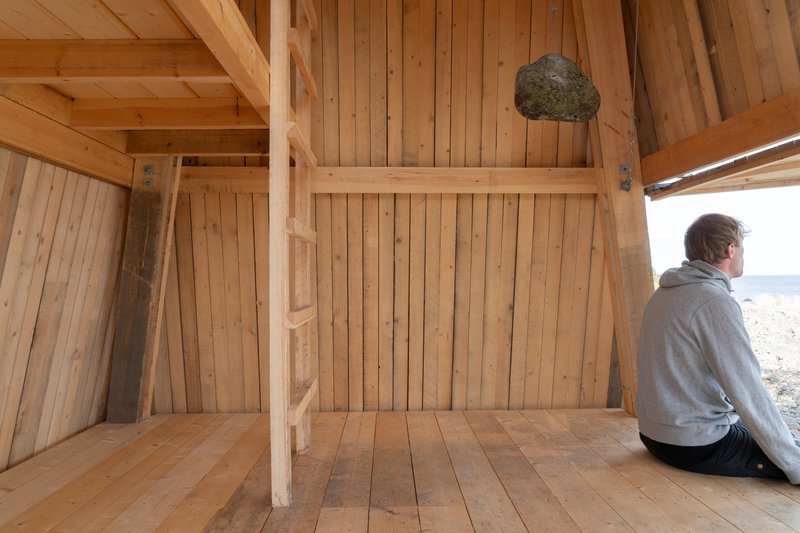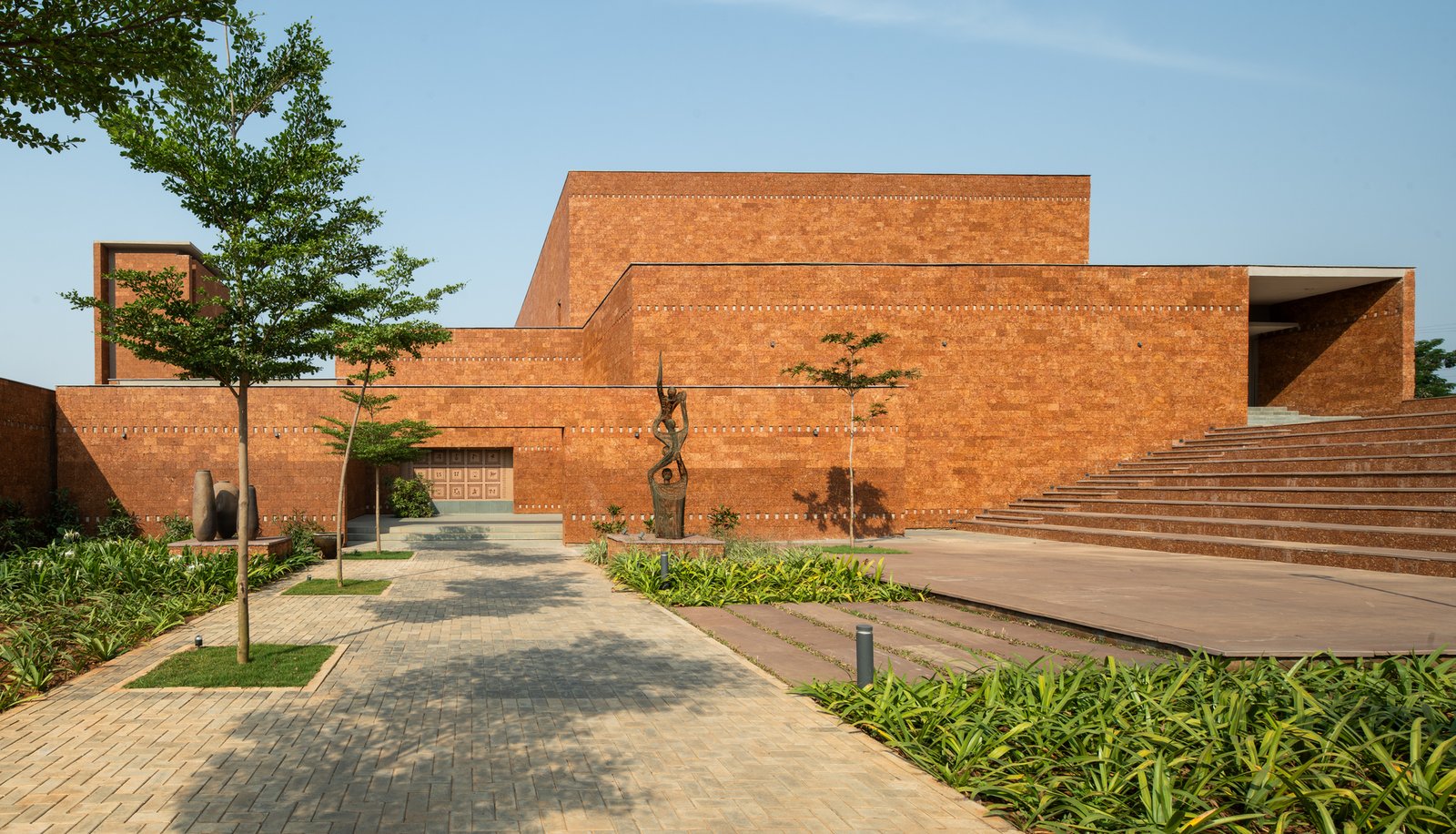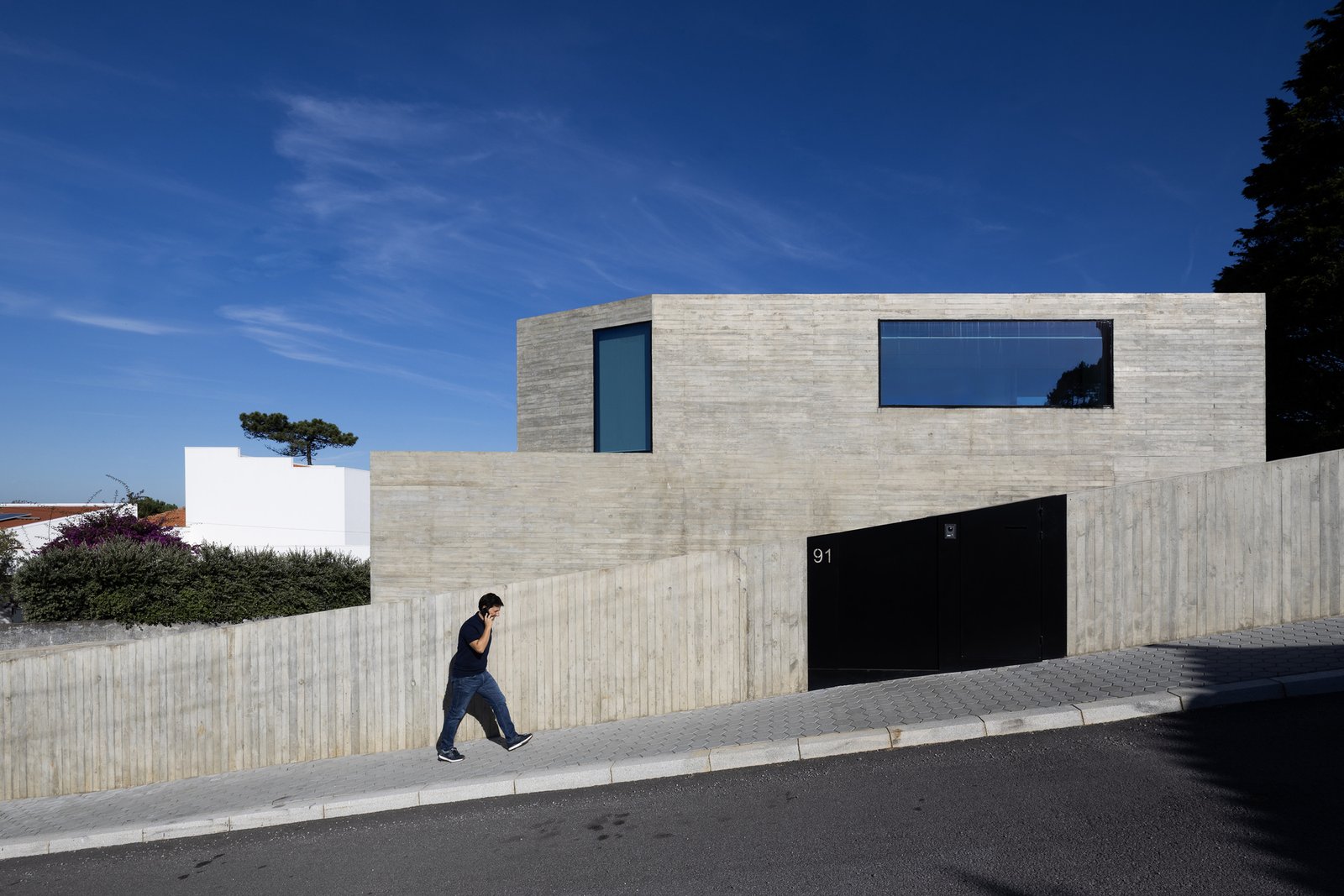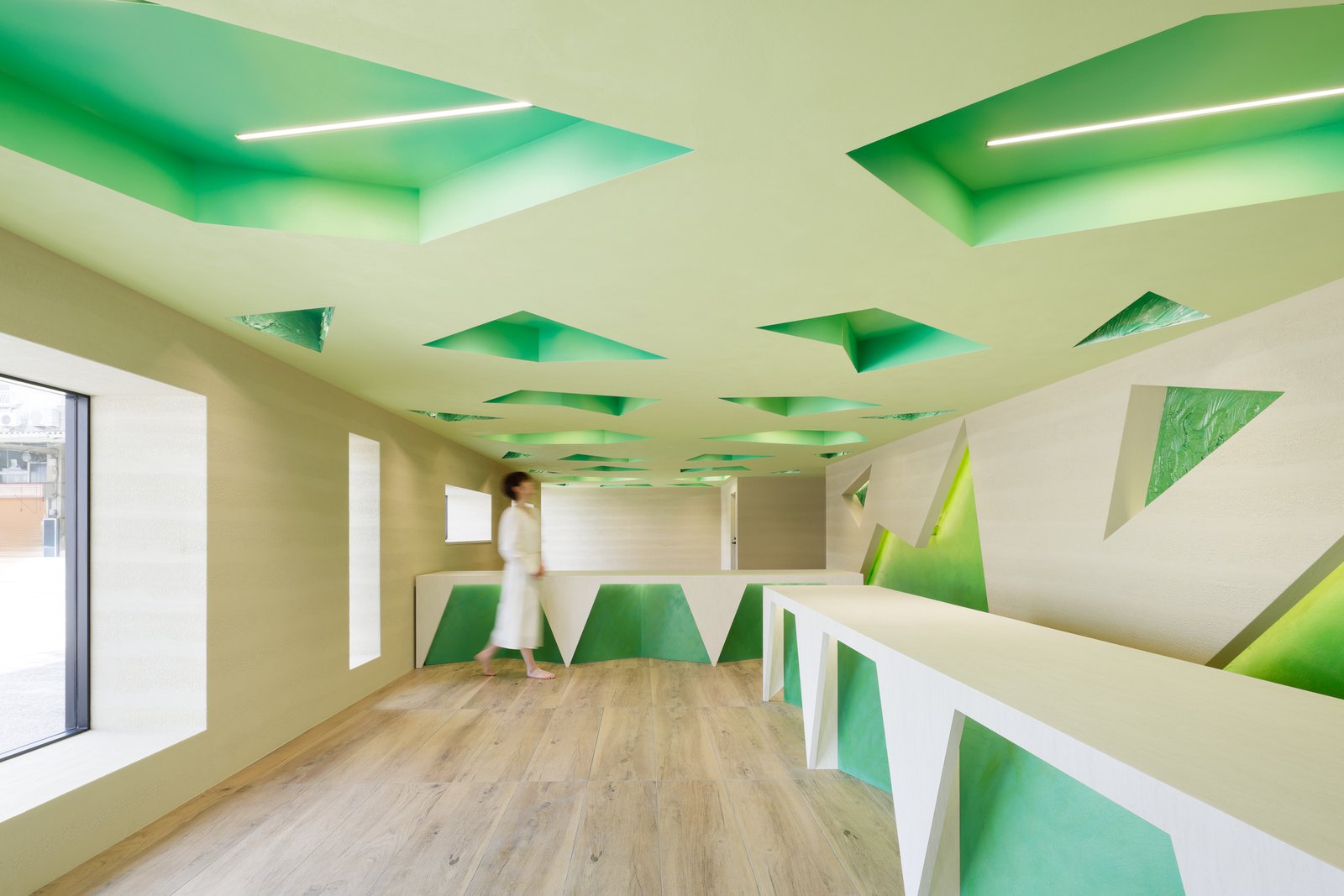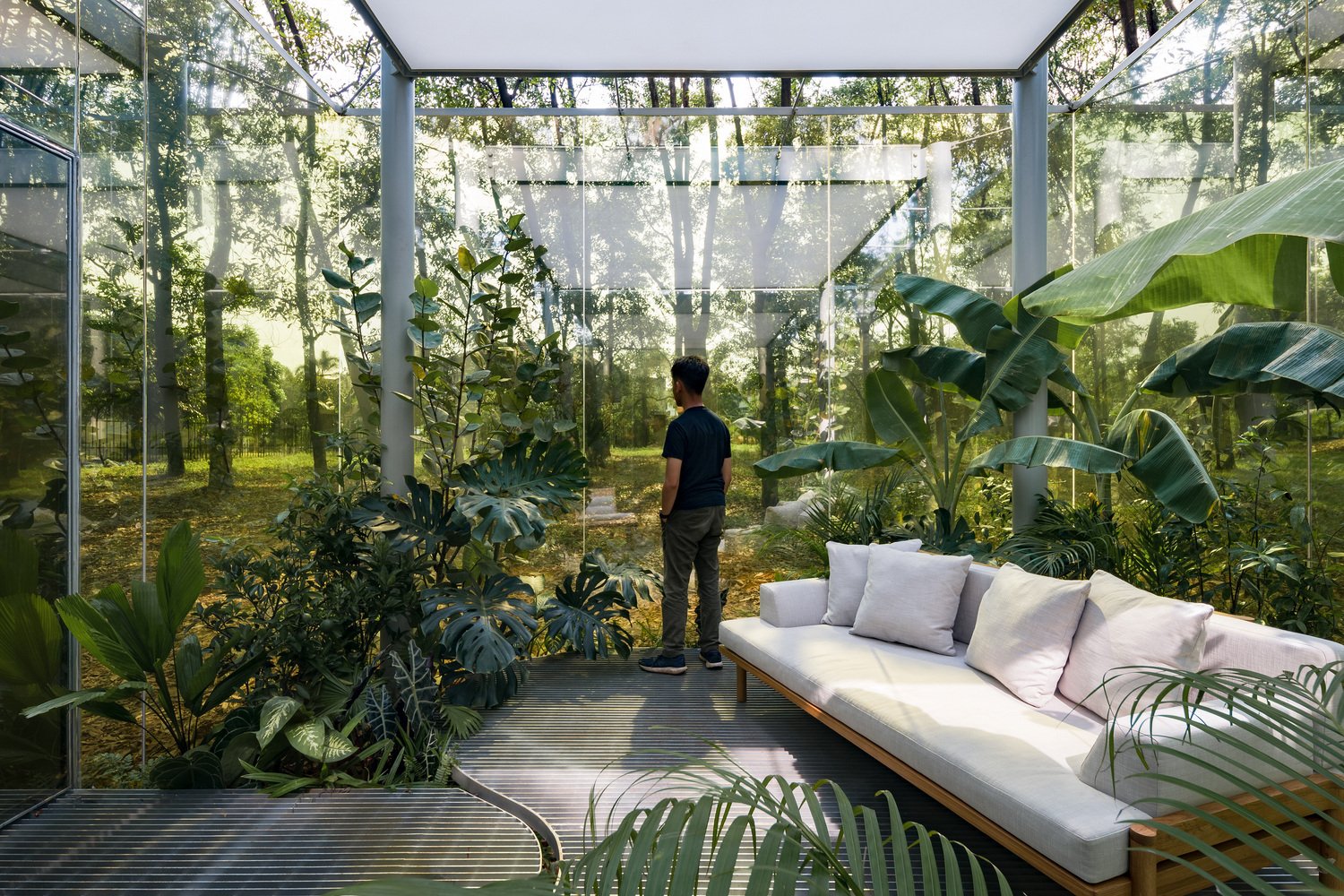
In the ever-rushing currents of modern life, where every moment is often dictated by the cacophony of activity and expectation, there emerges a quiet yet profound call for architecture to do less, not more. It beckons an era where built spaces are conceived not to propel us through time, but to anchor us within it. In this realm, presence becomes an art form, a dance between the tangible and the ephemeral.
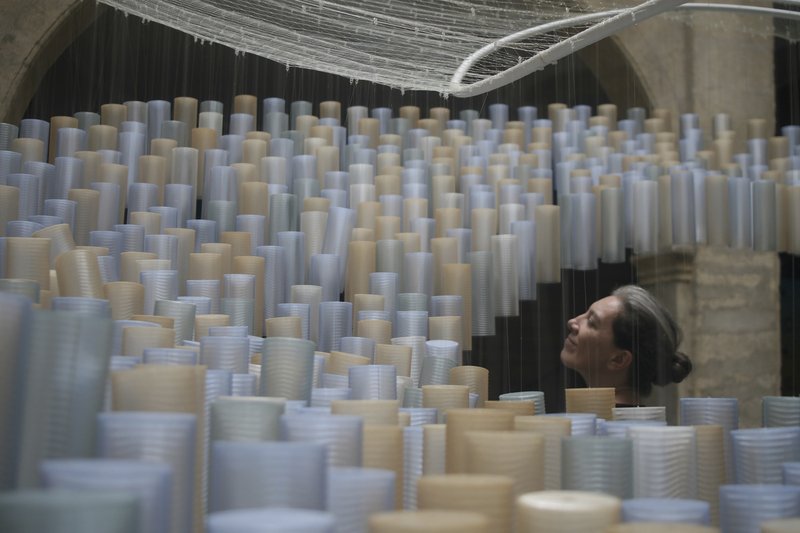
The architecture of presence is one that dares to embrace the void, to celebrate the act of simply being. It defies the relentless churn of consumerism and reaction, offering instead sanctuaries where lingering is not merely a possibility, but an invitation. Such spaces are rare gems in the urban fabric, yet their necessity is palpable. They provide the canvas for human reflection and shared existence, allowing comfort, continuity, and openness to become the silent custodians of presence.
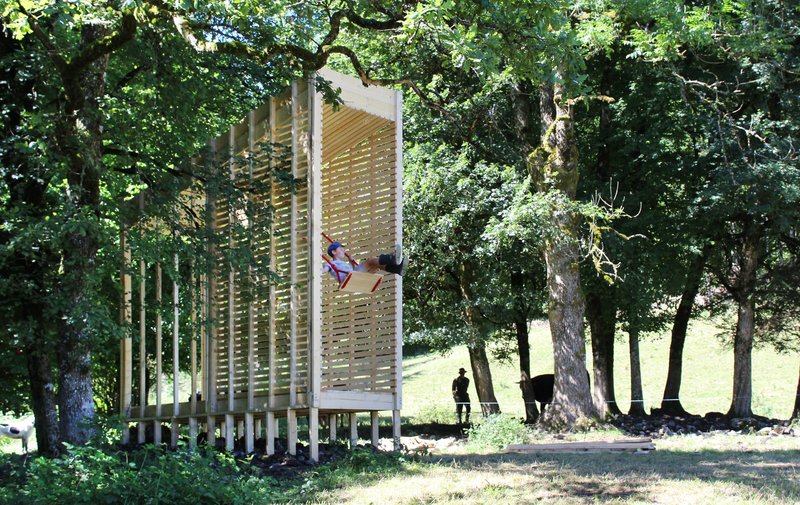
As we navigate through spaces designed for presence, we find ourselves liberated from the pressures of performance and interaction. Here, architecture transcends its traditional role of activation, instead nurturing an environment where the simple act of staying becomes a spatial quality unto itself. The conversation shifts, asking not what occurs within these spaces, but how they gently cradle our awareness and attention.
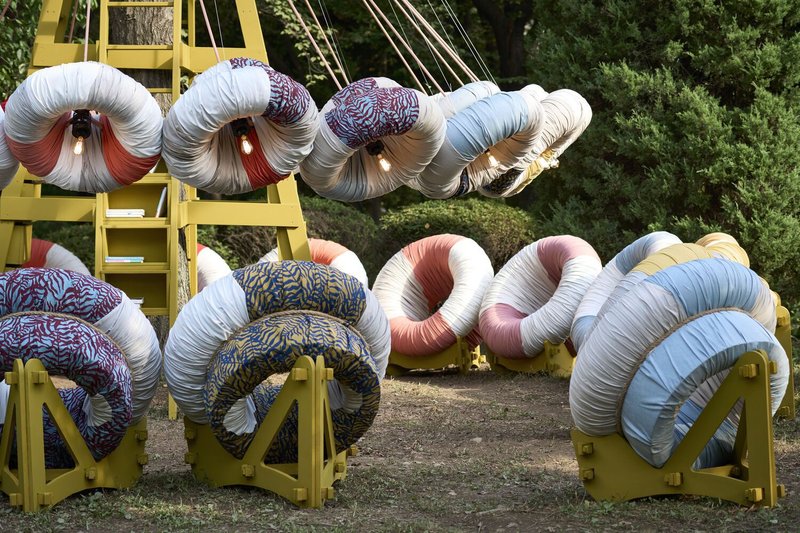
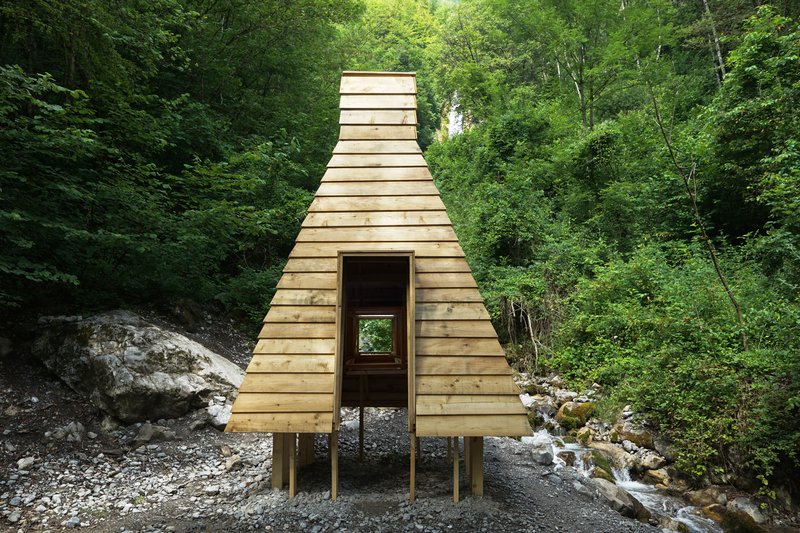
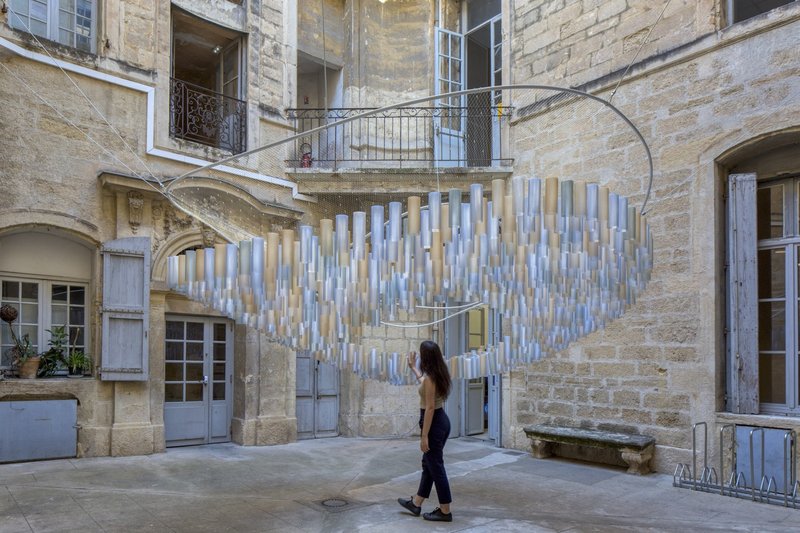
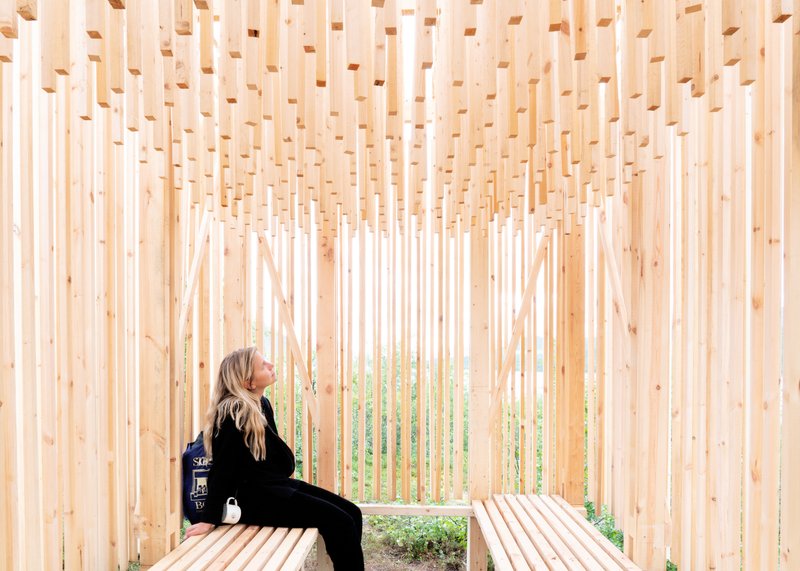
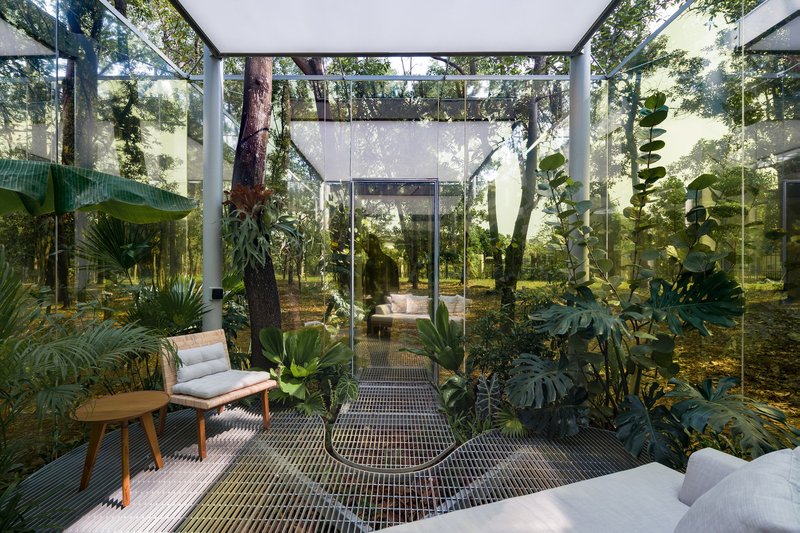
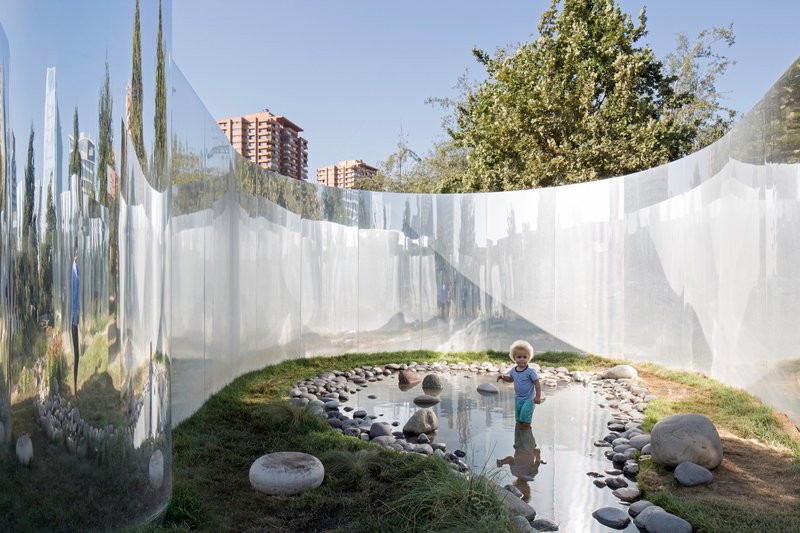
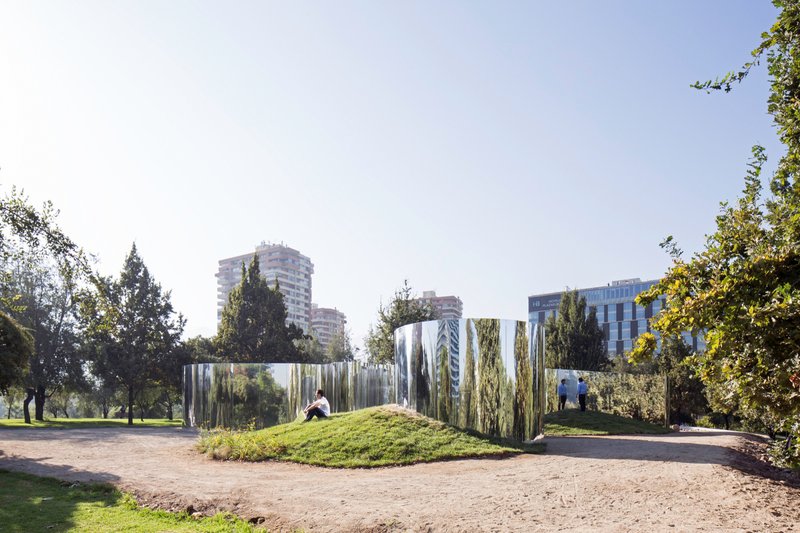
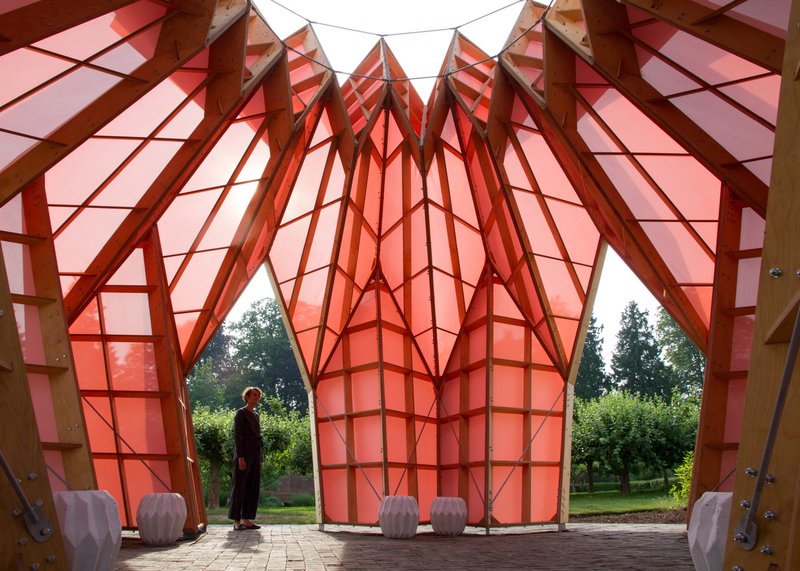
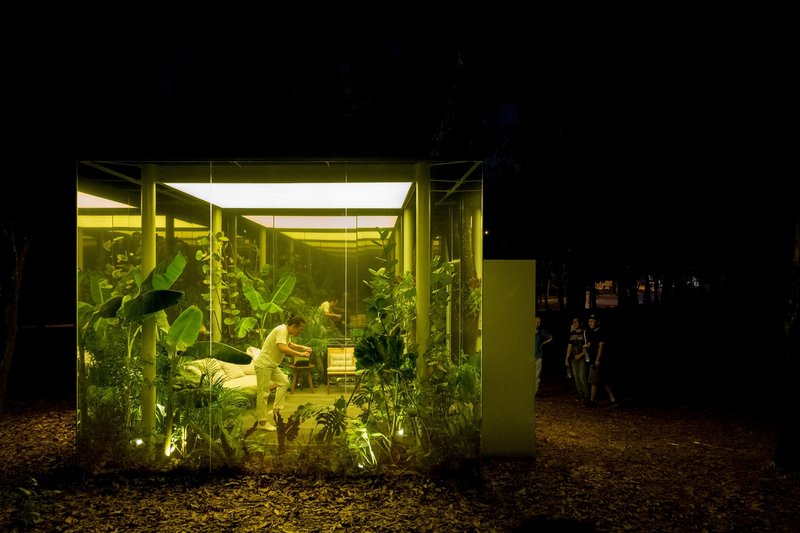
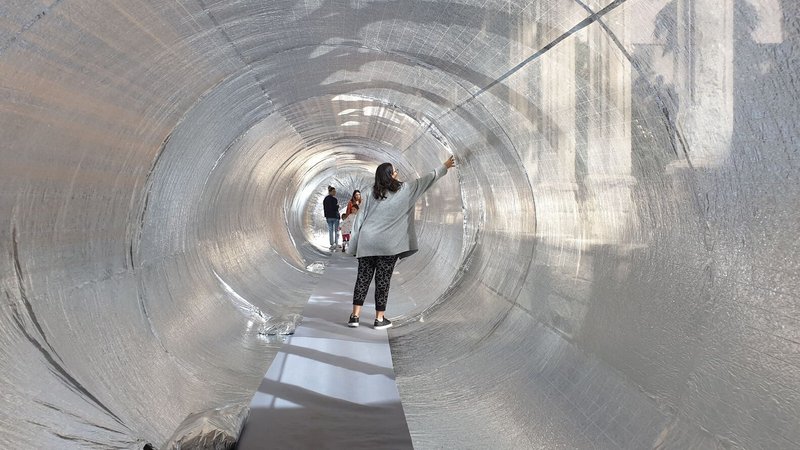
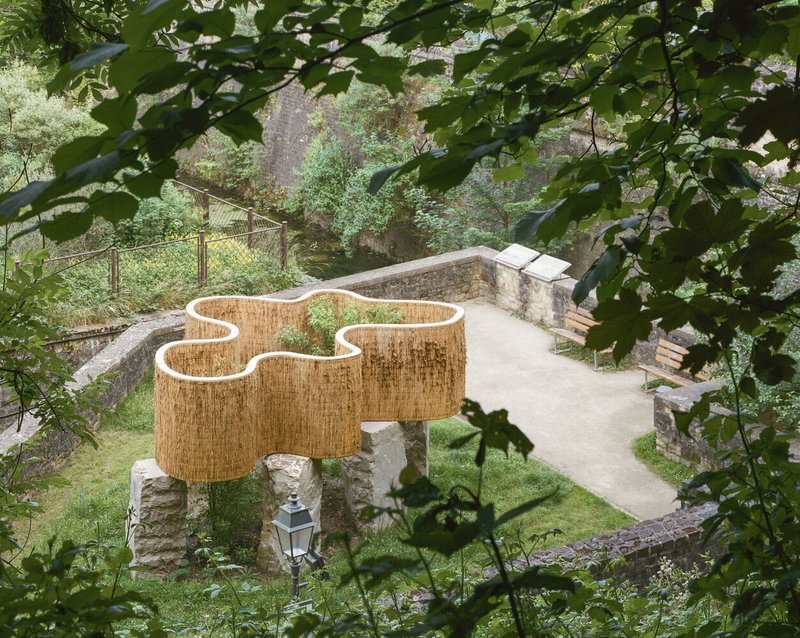
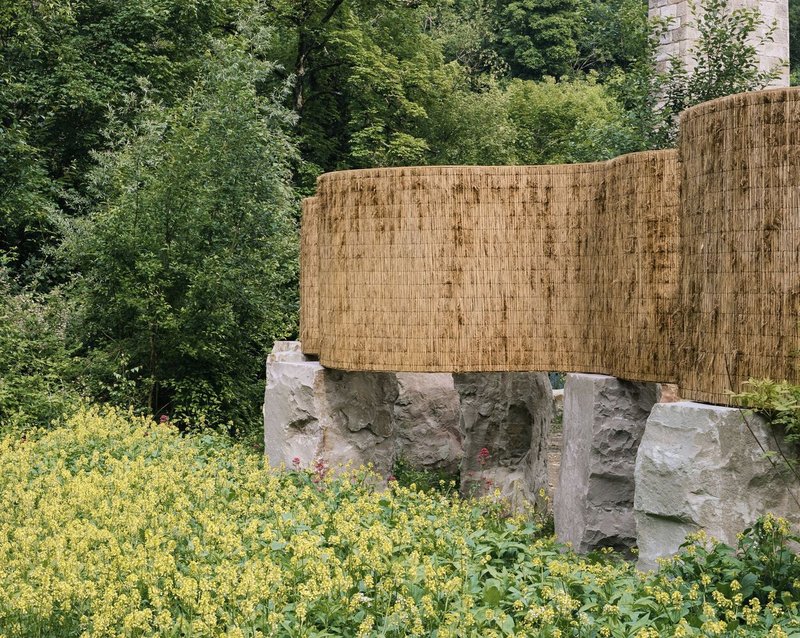
Consider the serene embrace of libraries, reading rooms, and shaded patios. Their value is not in the spectacles they host, but in the quietude they foster. They offer a communion of shared silence, where togetherness is woven through the threads of time, not action. This ethos is reflected in projects like the Bojagi Lounge by Izaskun Chinchilla Architects, where time spent amidst nature is a gift, and the Le Gardien Pavilion by Collectif REV.L, where observation becomes the primary spatial dialogue.
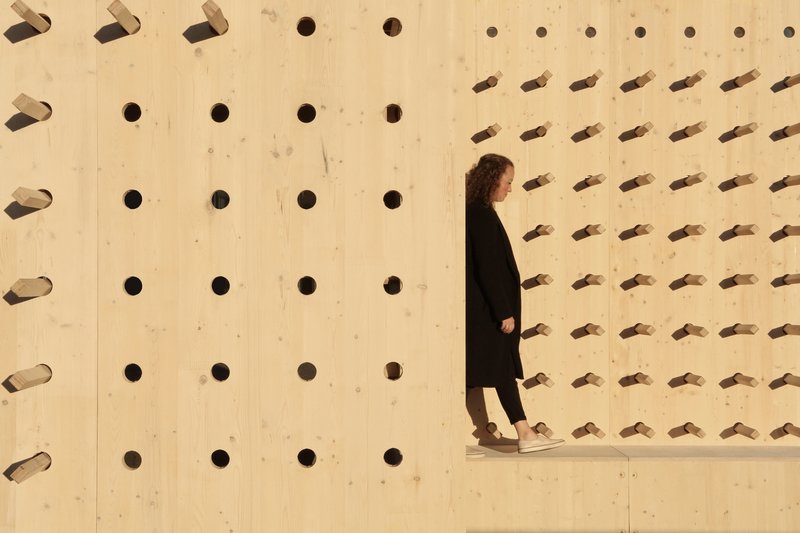
In this light, the measure of architectural worth shifts from the frenetic to the serene. Success is no longer gauged by the pulse of activity, but by the depth of perception and the willingness of individuals to remain. It is within these gentle confines that architecture reveals its capacity to moderate pace, to embrace stillness, and to foster moments of coexistence that linger beyond the physical.
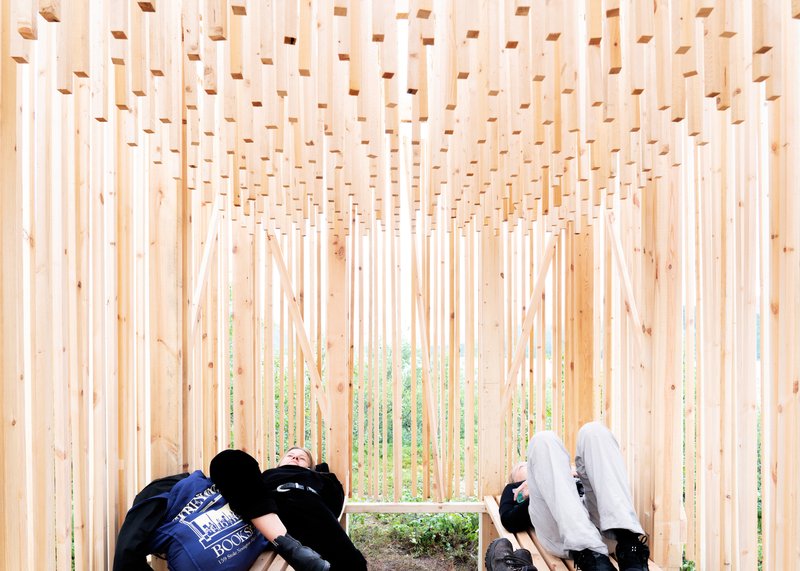
The discourse surrounding well-being and care further amplifies this shift, recognizing architecture not as a mere stimulant, but as a balancer of rhythms. It becomes a space where presence is not an absence, but a profound spatial quality that nurtures care and focus. This evolving narrative challenges the dominance of speed and productivity, advocating instead for environments that permit stillness, repetition, and informal use.
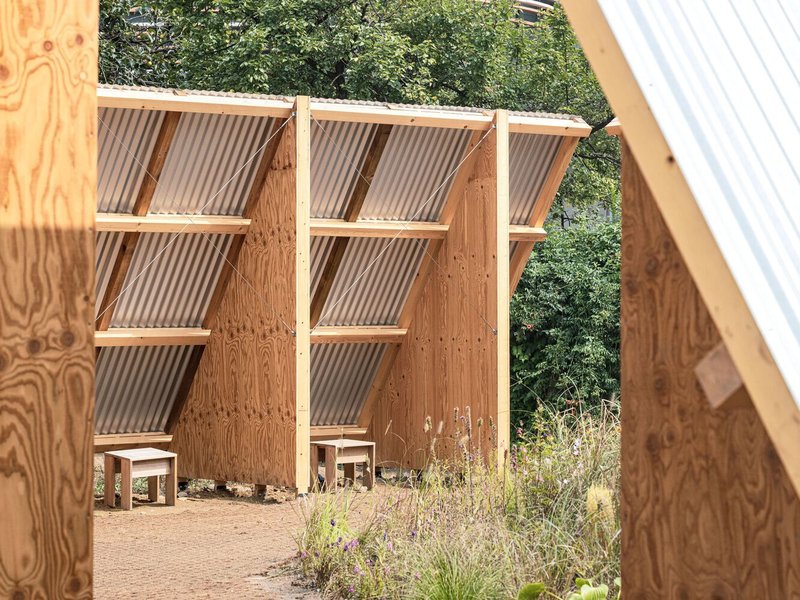
Across architectural dialogues, the emphasis on presence finds resonance. It is no longer a mere trend, but a burgeoning awareness of how our environments sculpt our experiences and attention. Articles in ArchDaily illuminate how spaces designed for sensory moderation alter our engagement with time, revealing that presence can indeed flourish without the constant call to action.
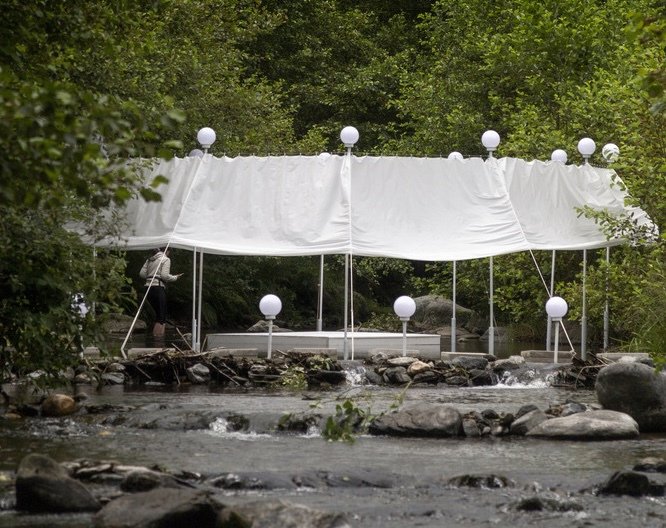
In a broader cultural context, institutions like the Museum of Modern Art in New York echo this sentiment. Their slow-looking itineraries invite visitors to dwell with a single artwork, valuing duration and attention as collective treasures. Such approaches reinforce the notion that architectural spaces can nurture presence without imposing instruction or interaction.
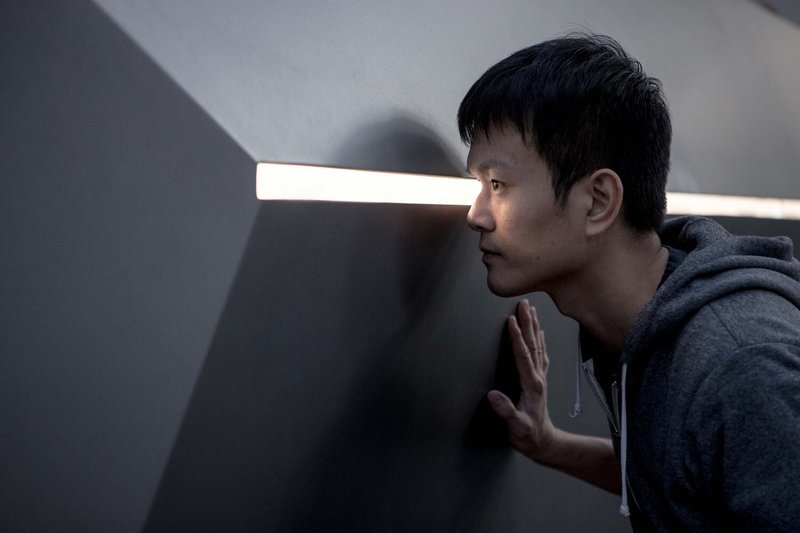
Ultimately, the architecture of presence redefines value in our built environments. It prioritizes the gentle art of staying over the urgency of passing through. Recent projects showcase how material softness, enclosure, and framed views serve not to activate, but to cradle attention. Presence becomes a deliberate design outcome, crafted through thoughtful spatial decisions.
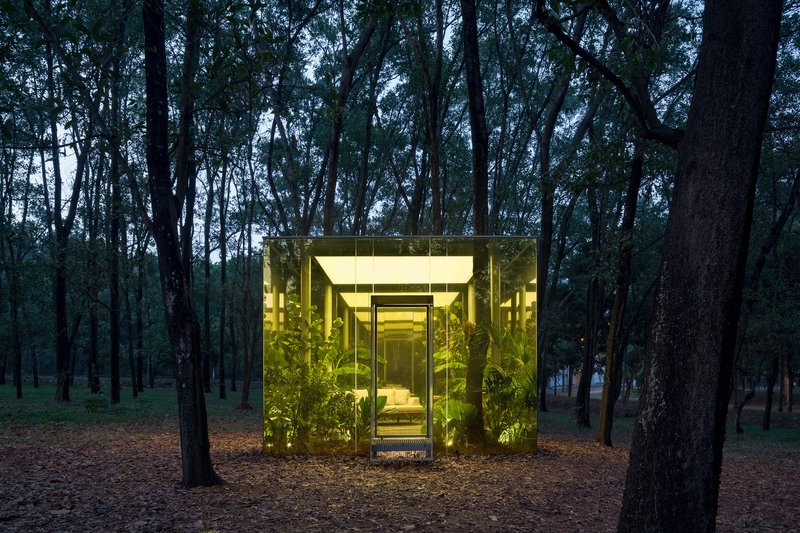
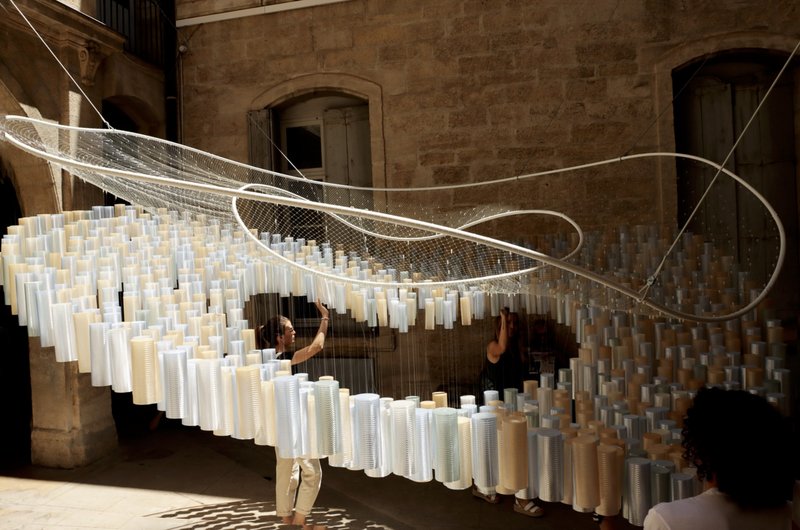
This journey often begins with the subtle, the understated. Minimal interventions—walls, frames, seating, shade—create havens where distraction fades and presence awakens. Projects like the Room Installation by Tamara Wibowo Architects and The Outdoor Room Pavilion by Salazar Sequeromedina and Frank Barkow illustrate how such spaces, through their embrace of enclosure and framing, encourage a slower perception. Here, presence is not an absence of action, but a celebration of awareness.