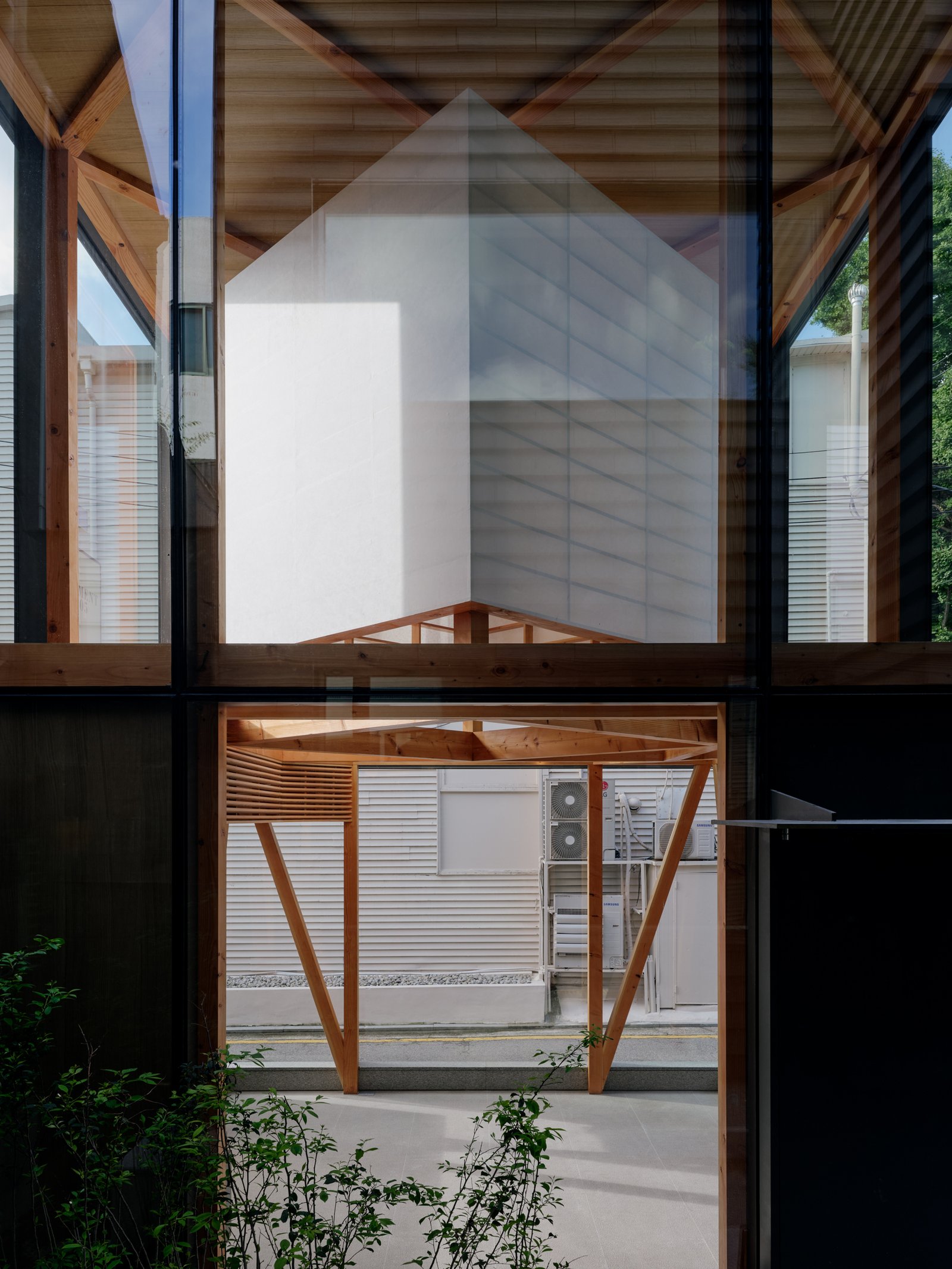
In the heart of Seoul, a poetic narrative unfolds within the walls of Perfumer H. Crafting the spatial identity of an international brand, especially one dealing with the delicate art of fragrance, is a profound endeavor. Here, the philosophy of 'Daegang' comes to life. While in modern Korean the term may suggest 'more or less', its Chinese characters reveal a more complex story: 大 (Great) and 綱 (The main axis or the master cord of a net). The notion of 'Byuri' refers to the central thread where all lines of a net converge—the very genesis of its structure. Symbolically, it embodies the overarching principles or the fundamental essence of an object. In design, once the Byuri—the principal direction and its branches—is established, the process flows seamlessly. Yet, this flow must be sustained by unwavering sincerity.
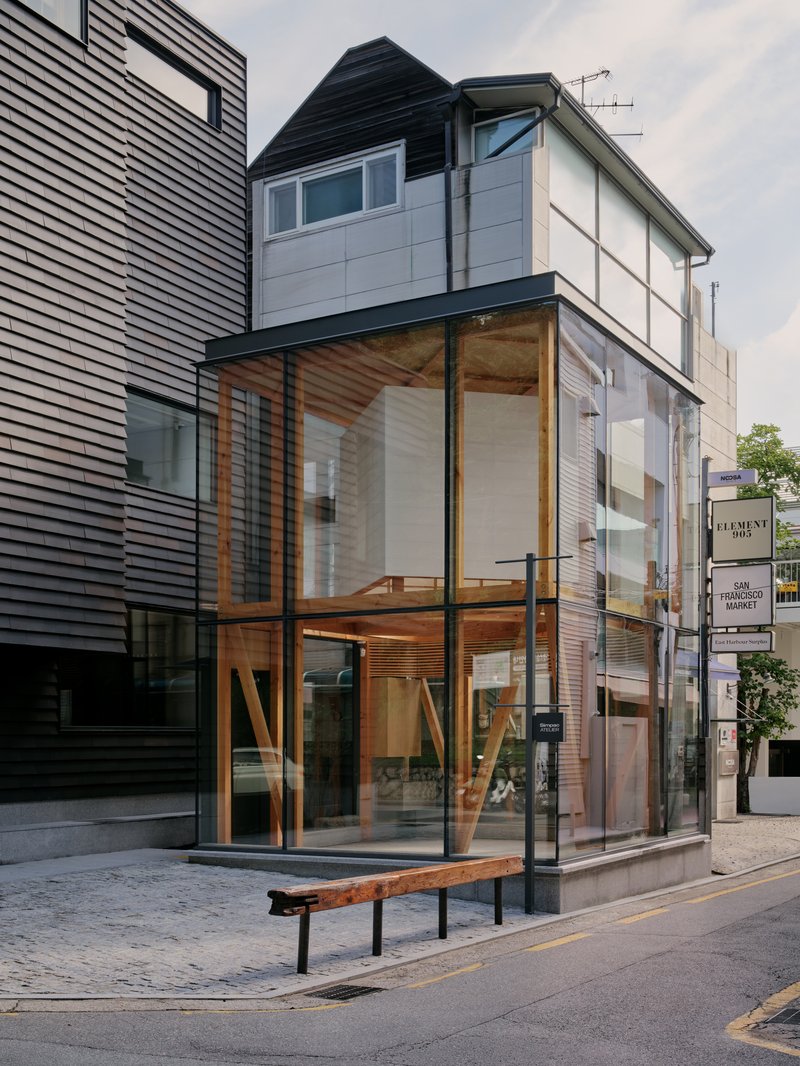
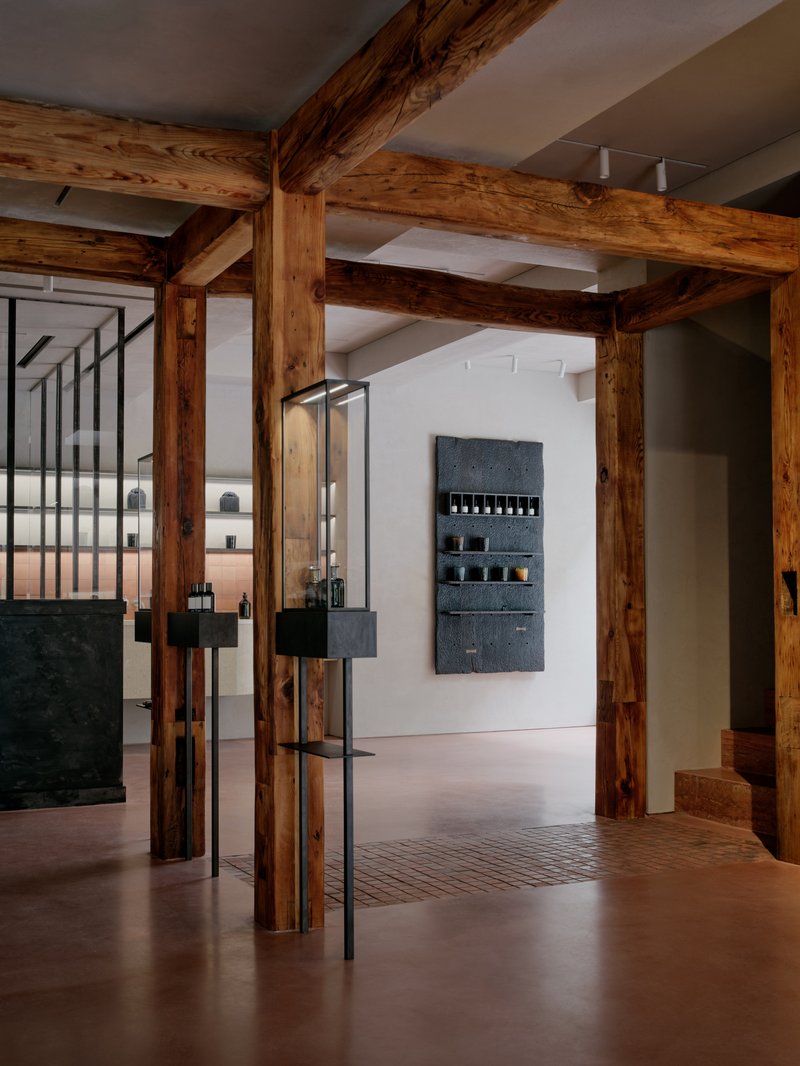
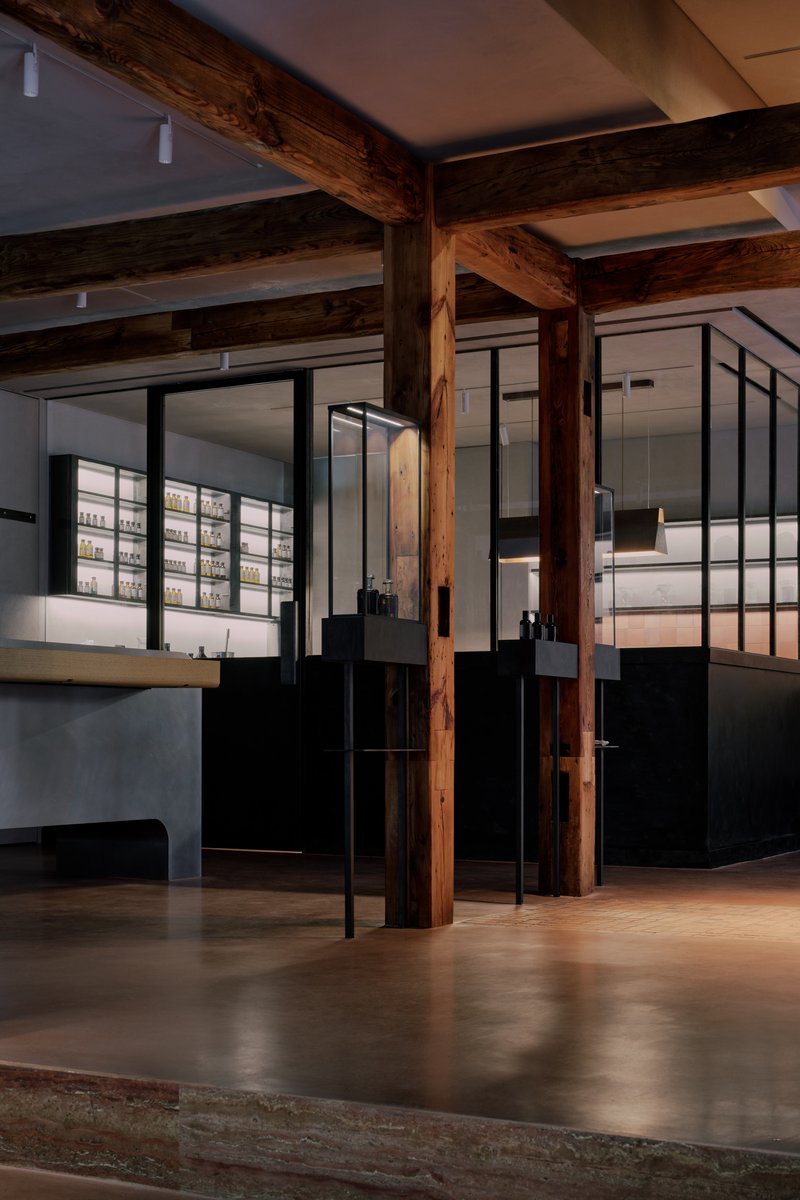
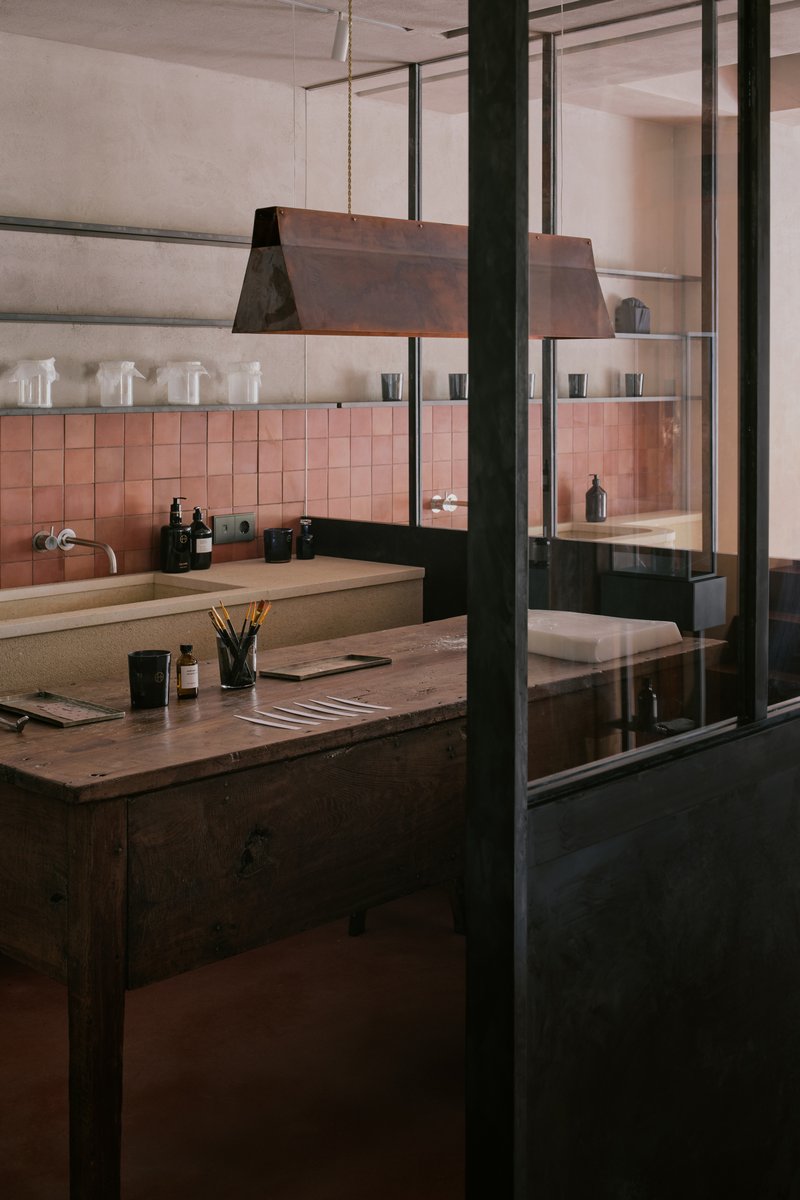
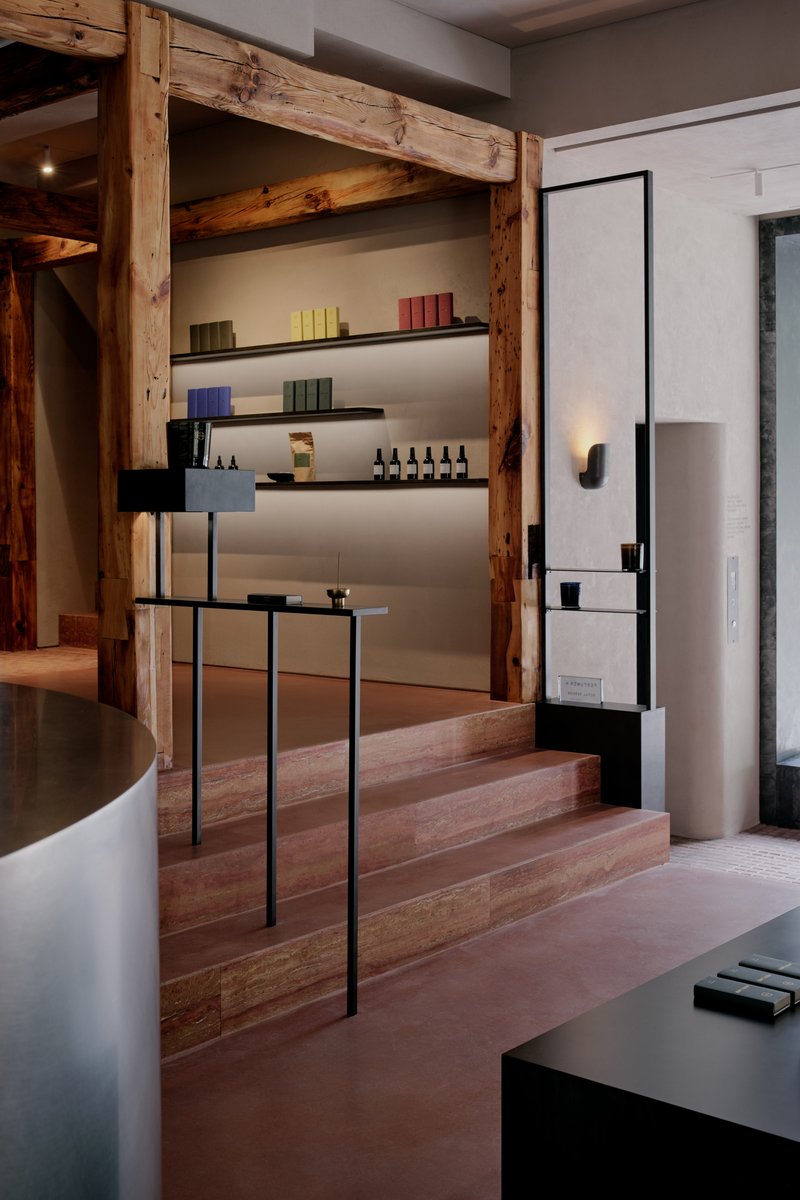
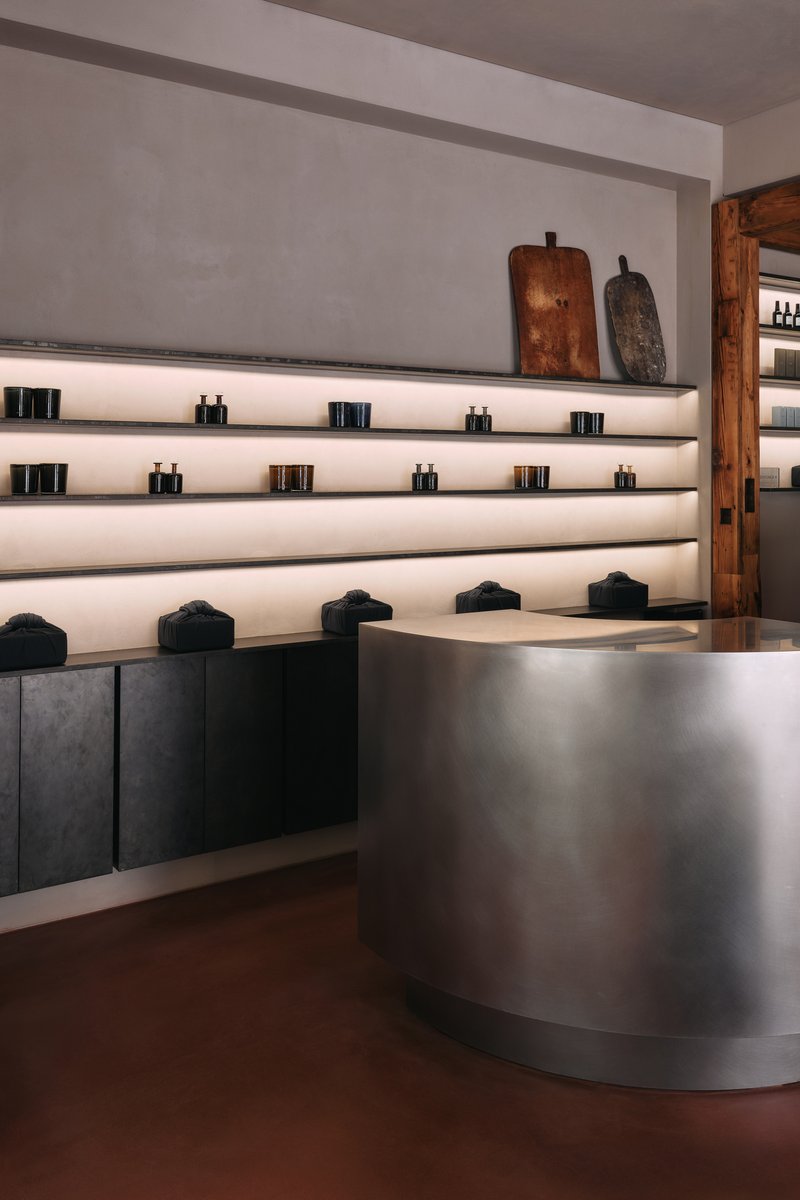
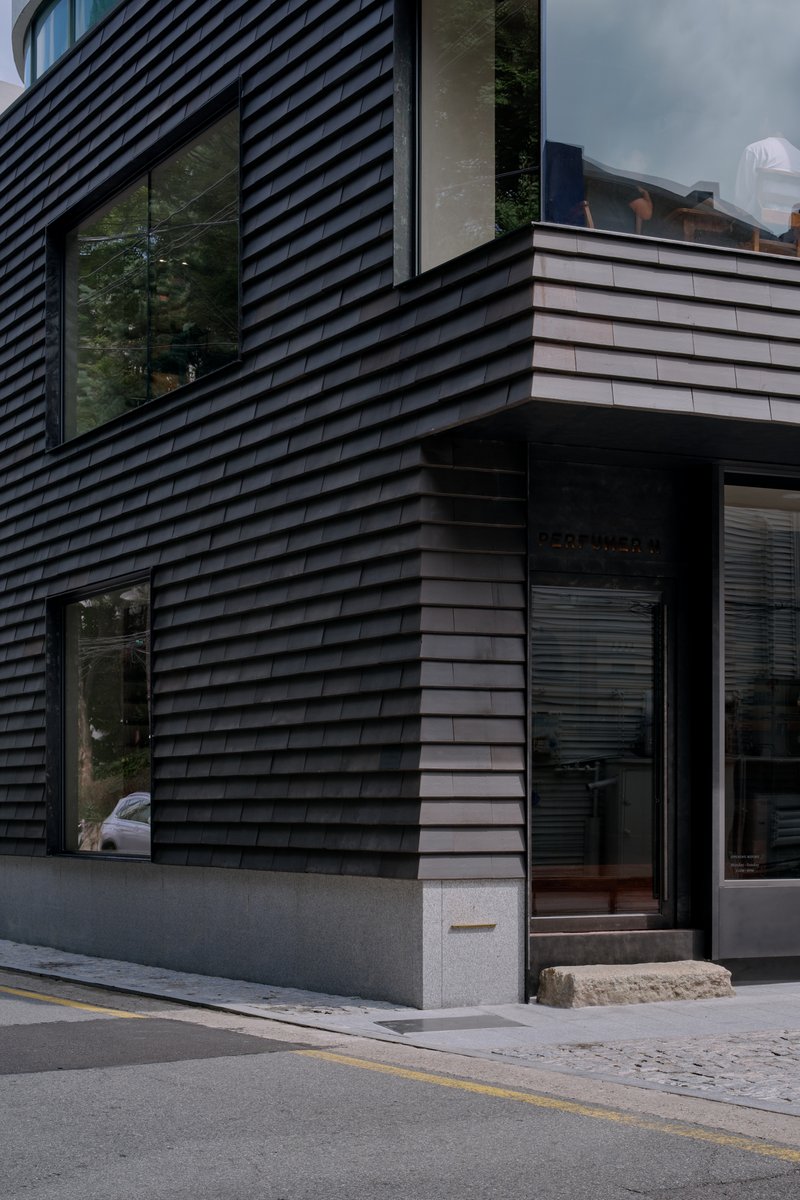
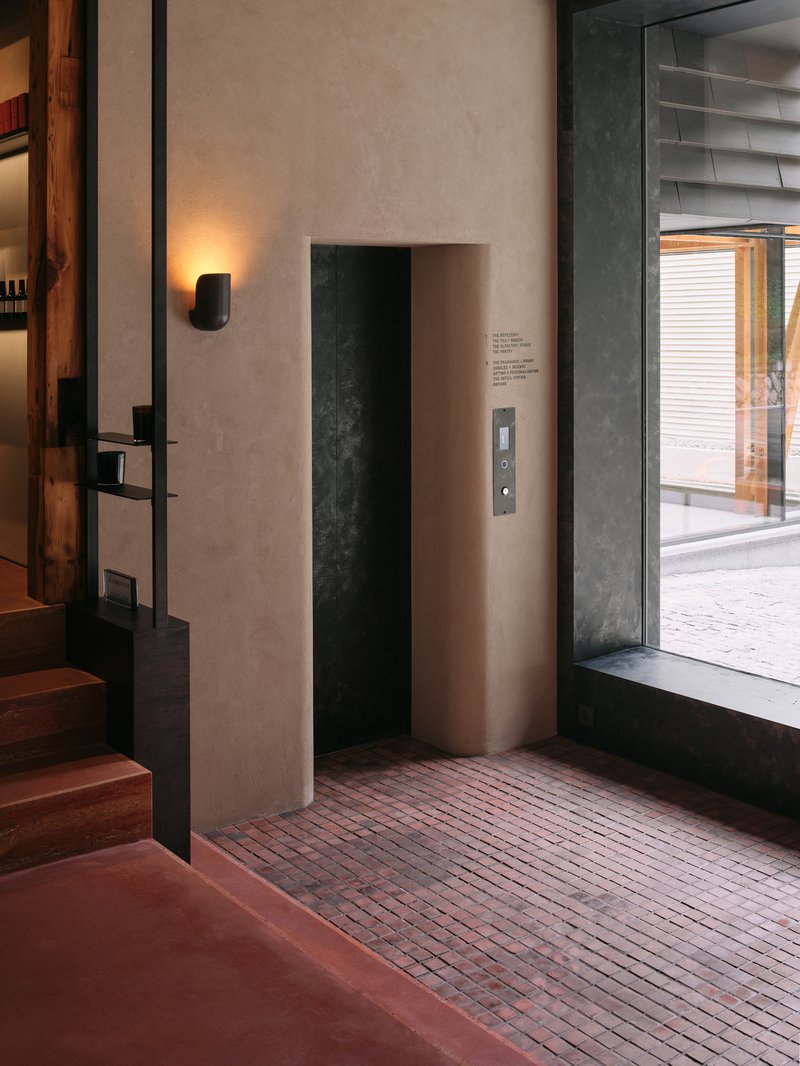
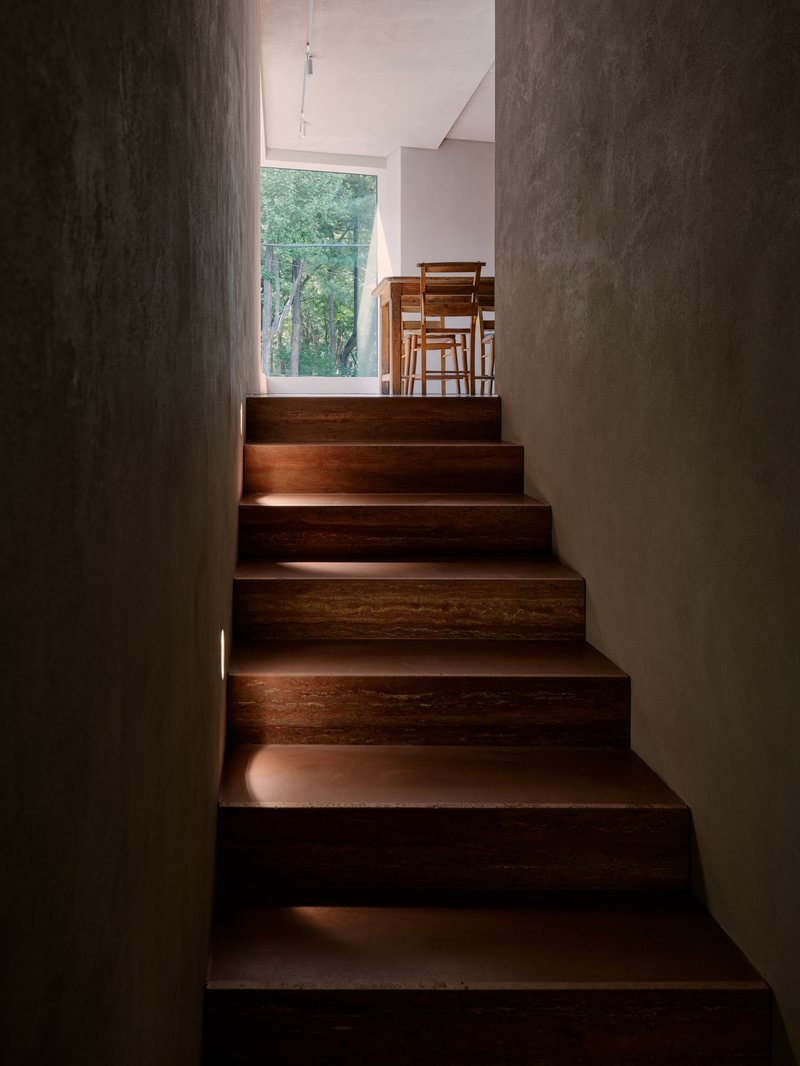
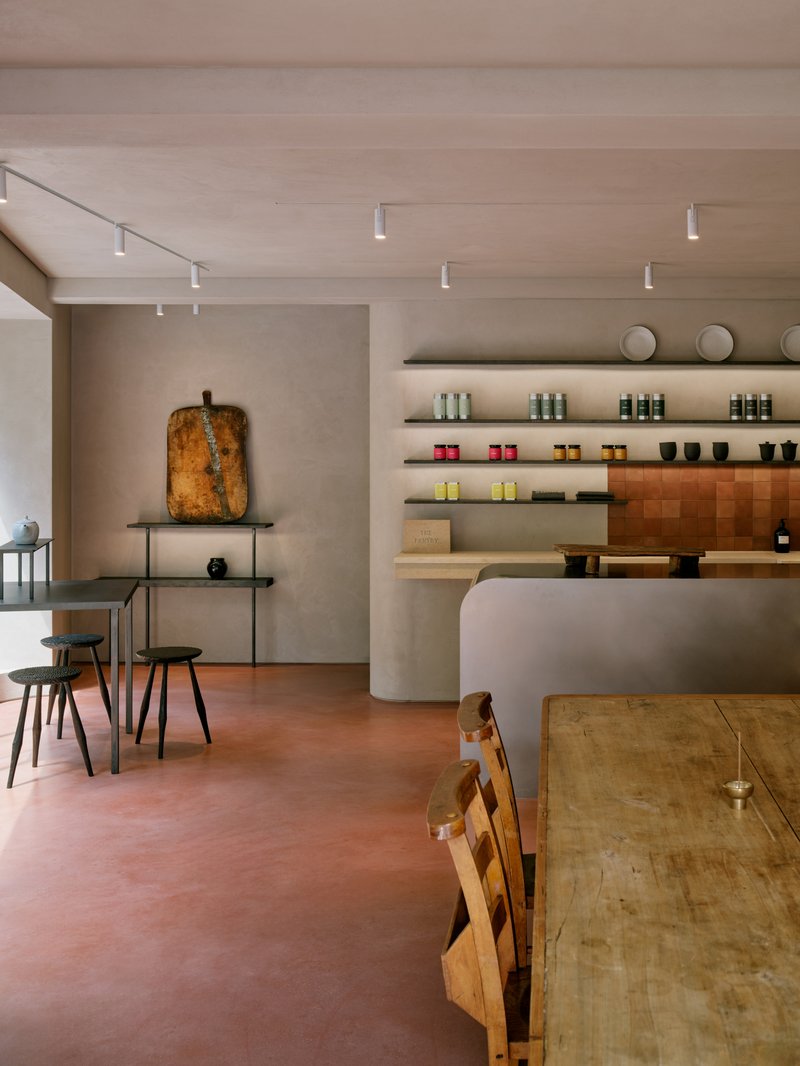
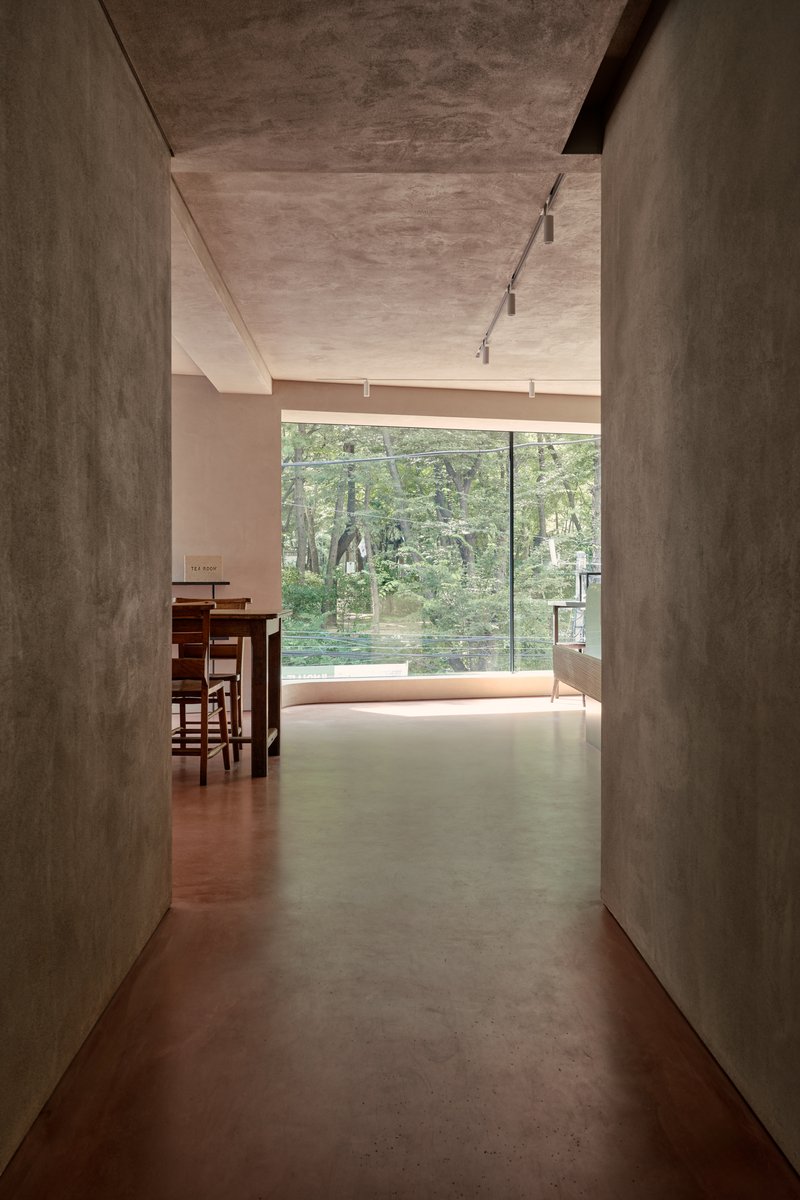
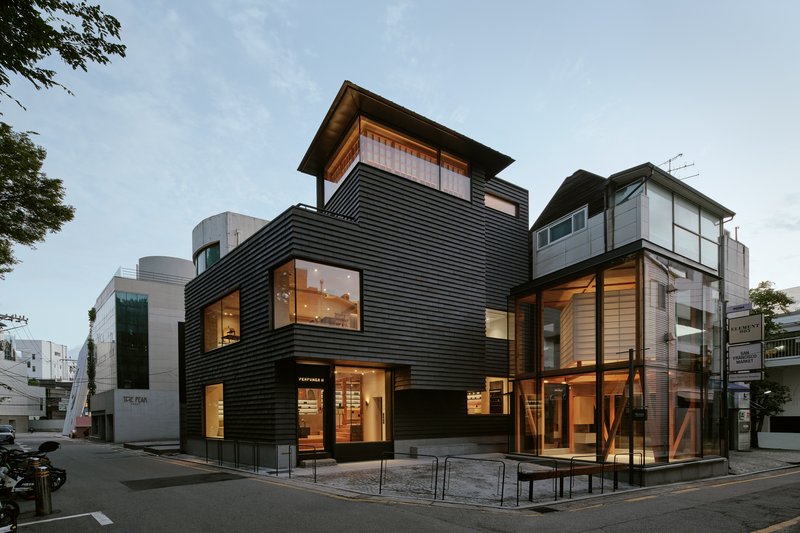
The site of Perfumer H Seoul presented no exception. Originally a fifty-year-old masonry building, it stood in a state of decay. Its roof was shrouded in torn plywood, and its walls, beyond restoration, whispered stories of the past. Reinforcing the existing edifice with metal structures, we added a third floor. Each material choice was a deliberate act of care: bricks fired individually, a polished mortar floor that emerges, through successive sanding, as both resilient and soft to the touch, and reclaimed wooden structures from the pillars and beams of traditional Hanok houses.
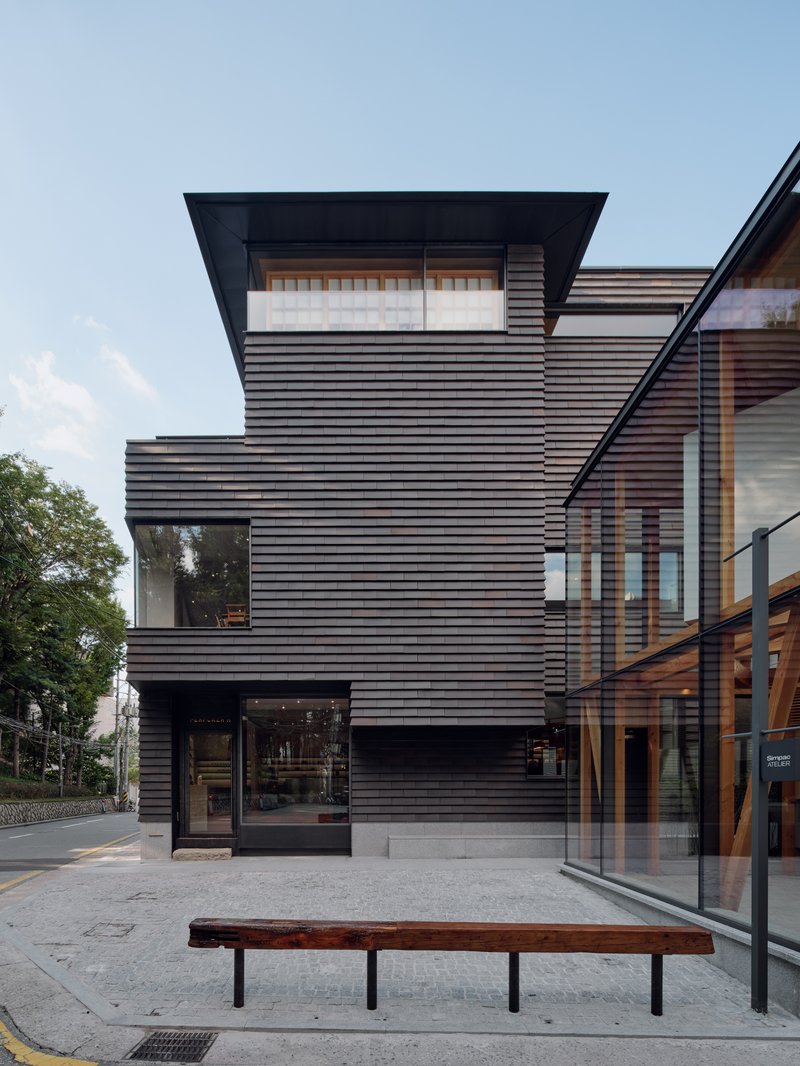
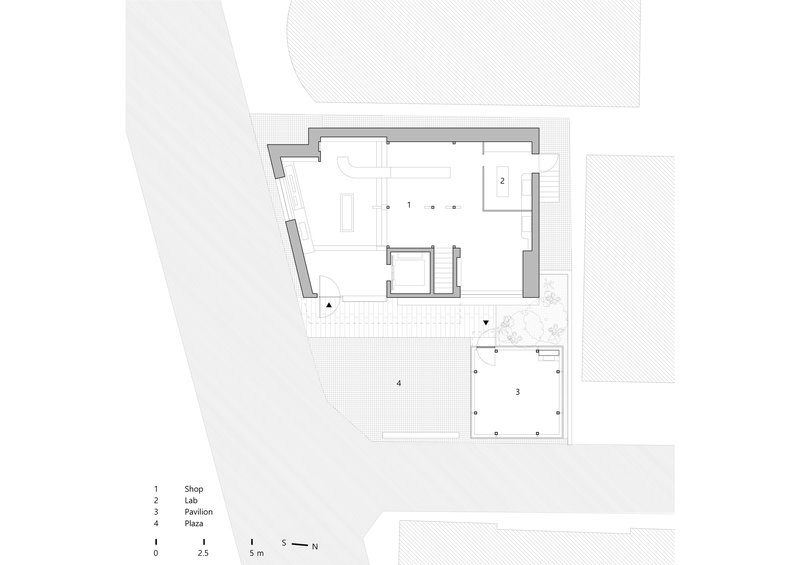
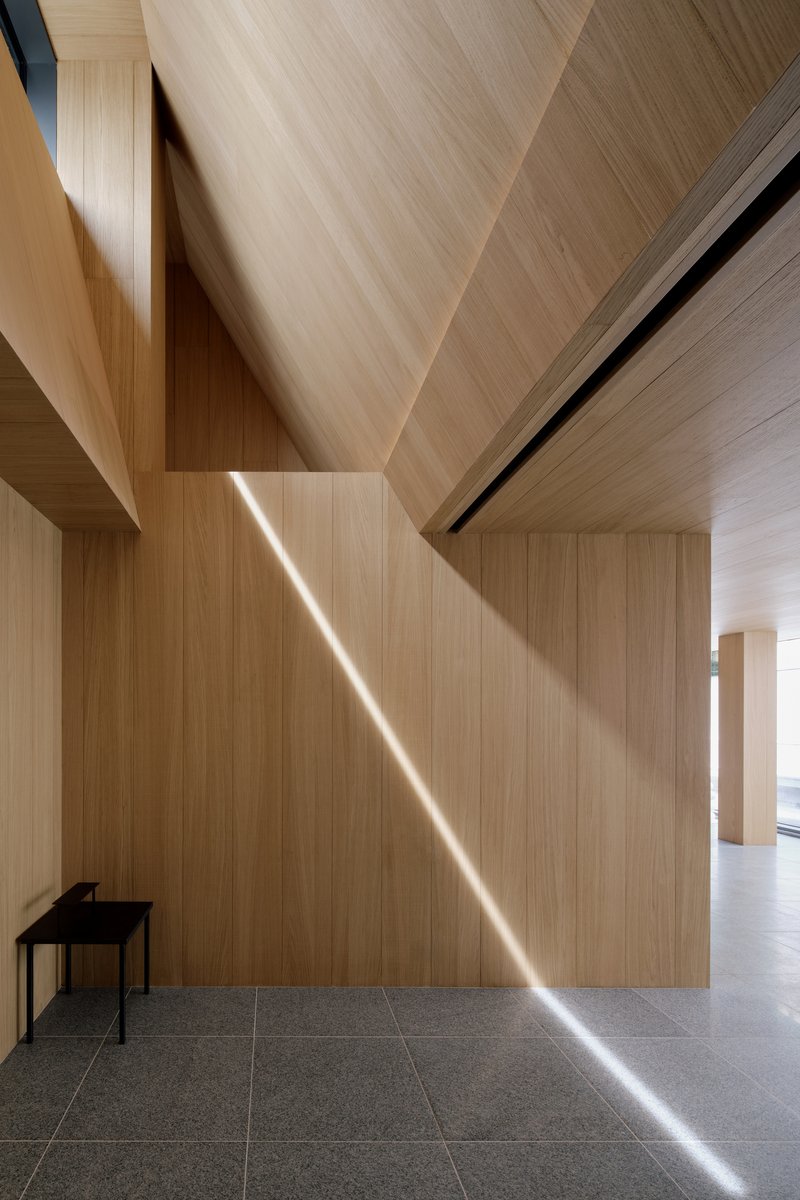
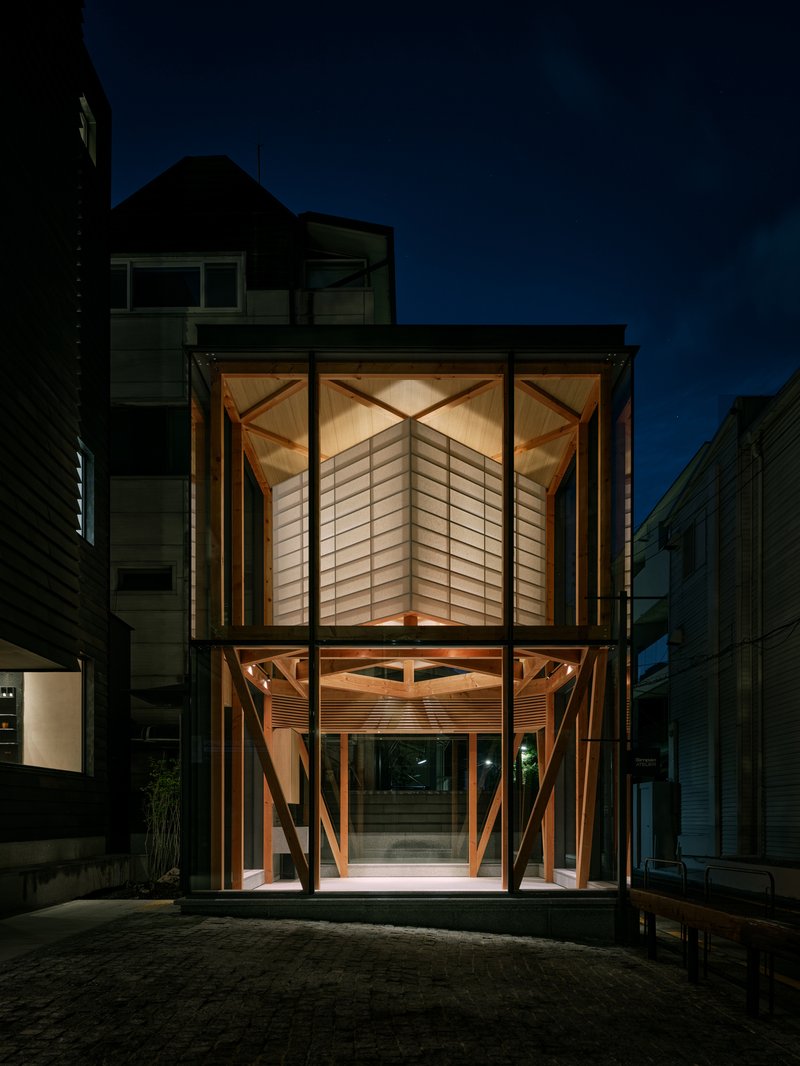
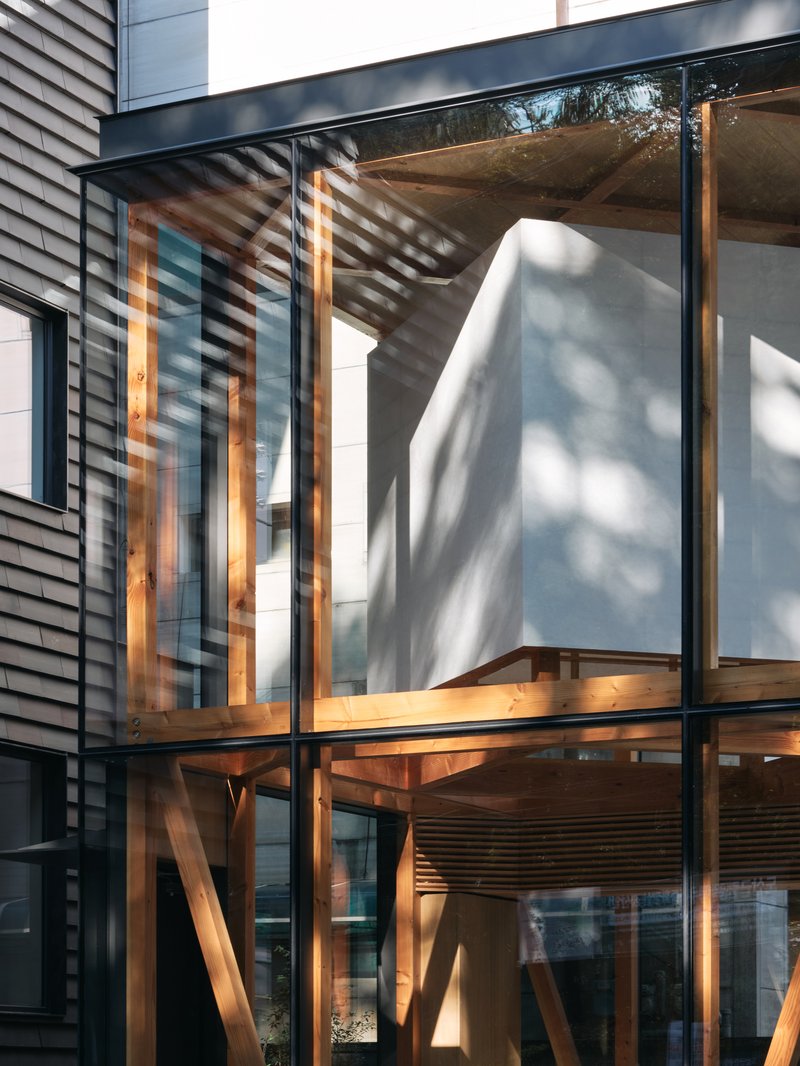
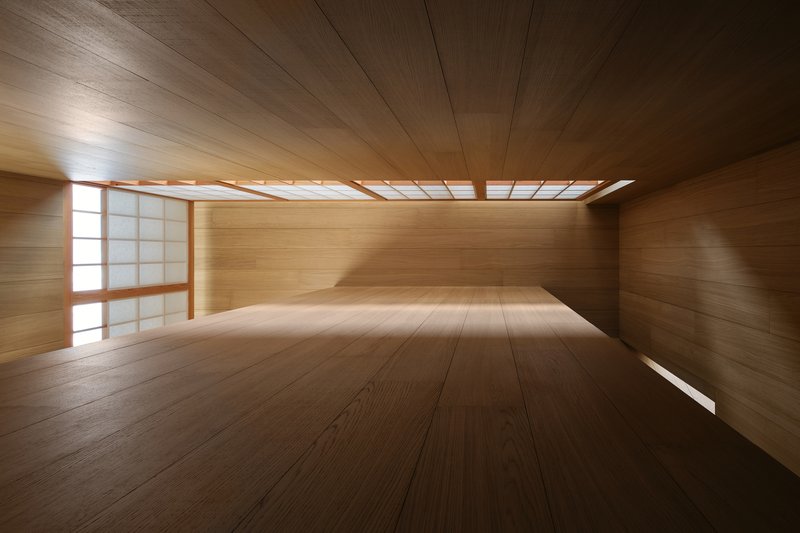
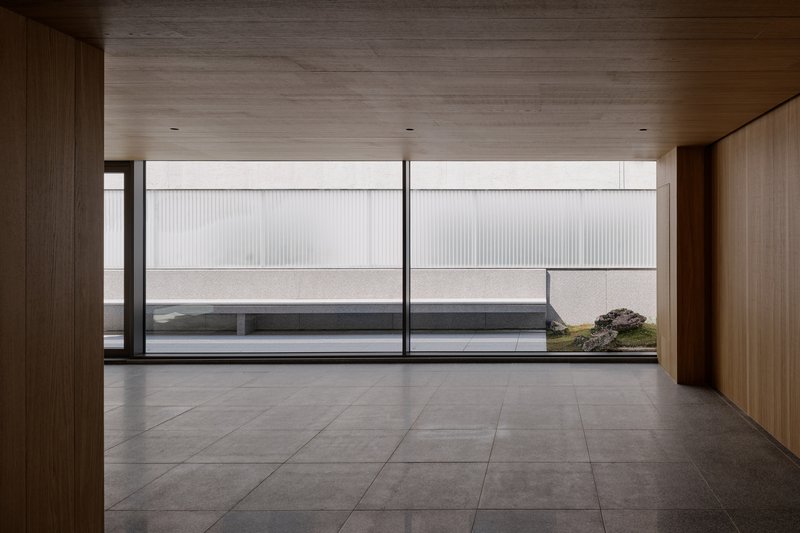
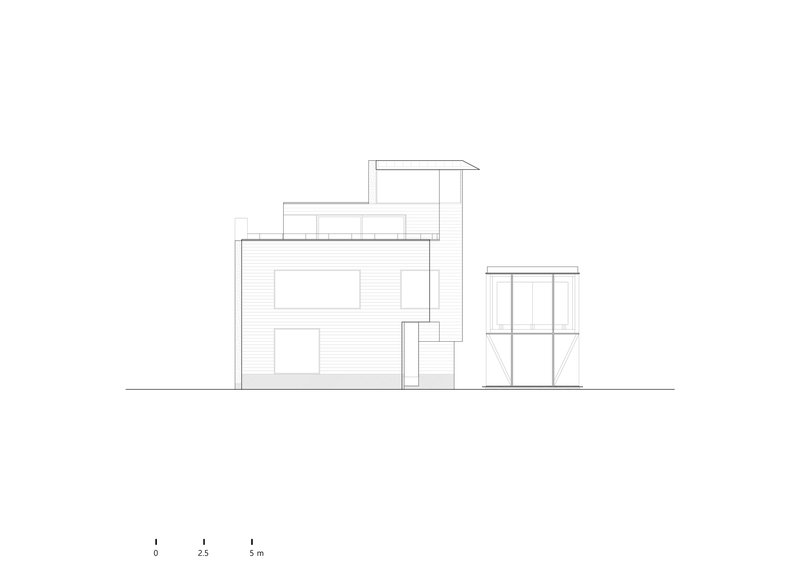
Embracing the virtue of 'emptying' rather than 'filling' is a cultural inheritance deeply rooted in the ethos of this space. To reclaim the courtyard, or Madang, irregular extensions were demolished, giving rise to a petite pavilion. This wooden structure serves as a flexible space for temporary events and gatherings. In contrast to the original building's façade, the handcrafted pavilion acts as a beacon for Dosan Park.
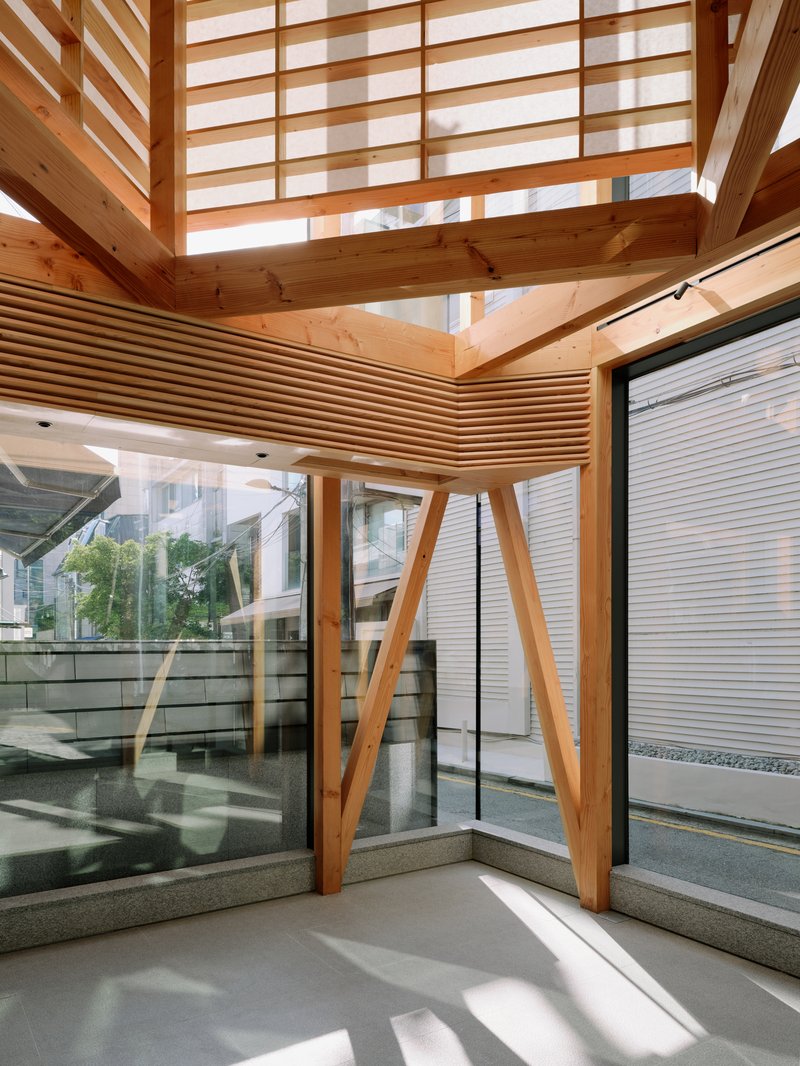
Perfumer H Seoul stands as an exquisite tapestry, weaving an ancient building, a new pavilion, and an open courtyard through the thread of sincere craftsmanship. It invites visitors to immerse themselves in a space where history and modernity, emptiness and presence, elegantly coalesce.