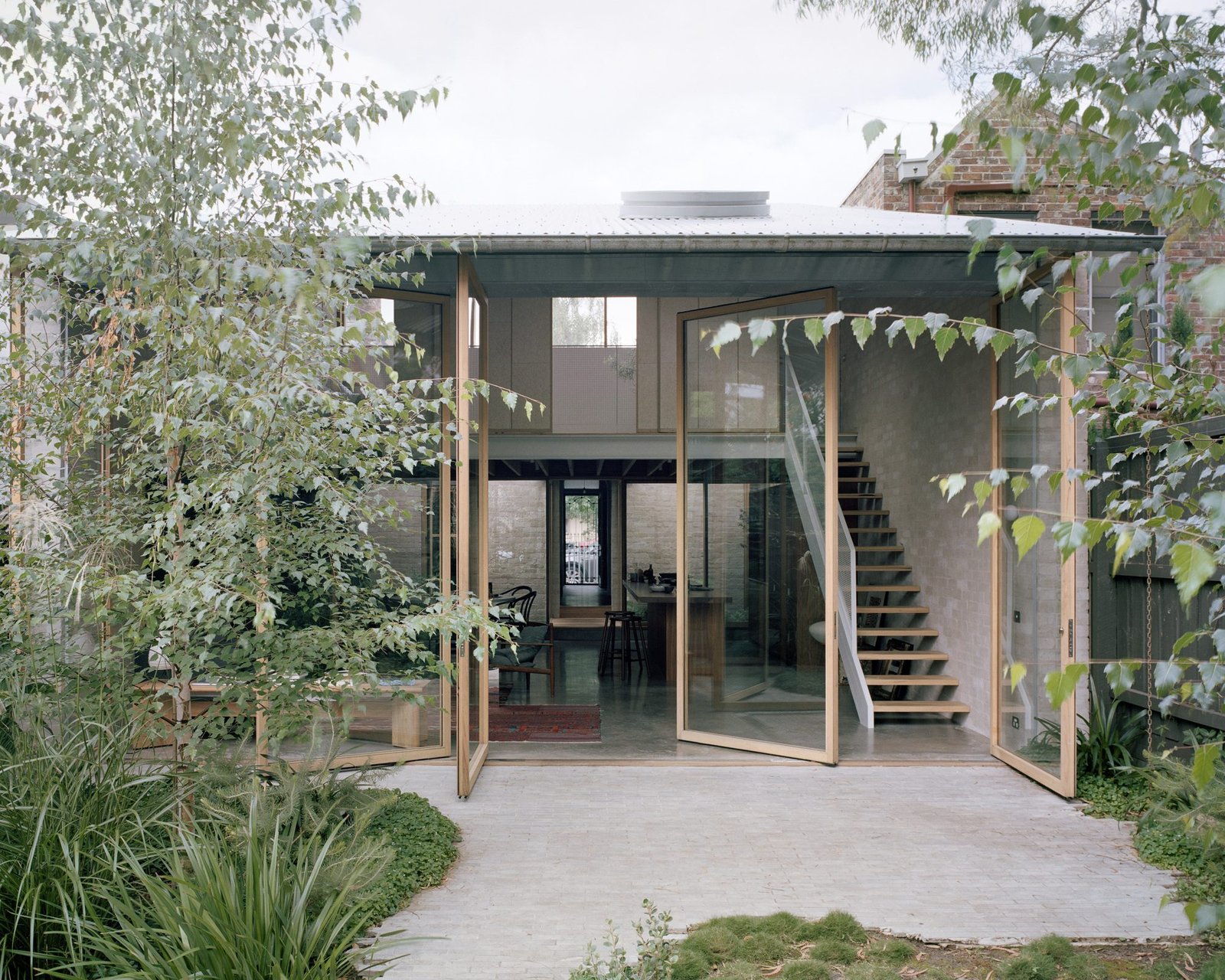
In the gentle embrace of Carlton, a whisper of transformation echoes through the corridors of a once-tired single-storey abode. The Carlton Cottage, reconceived by the visionary minds at Lovell Burton Architecture, stands as a testament to the delicate interplay between history and modernity. This reimagined dwelling, nestled on a quaint allotment, has unfurled into a sanctuary for a burgeoning family, embracing the whispers of its past while charting a course for the future.
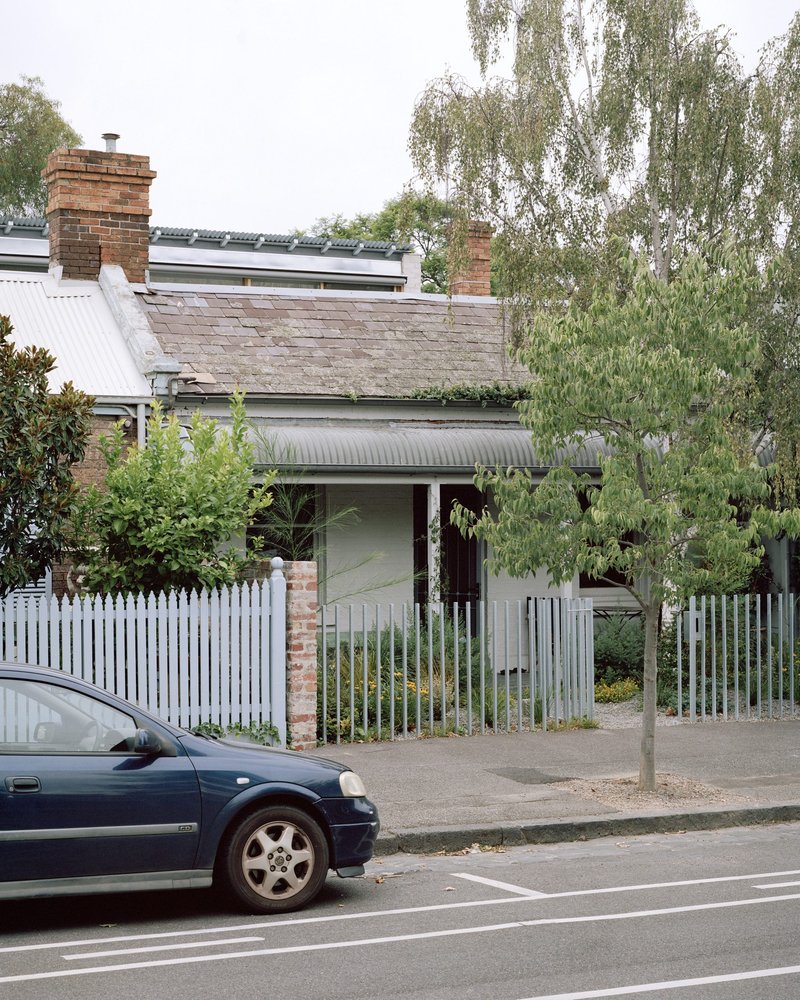
As one meanders through the spaces, the fluidity of the design becomes apparent. Here, practicality is seamlessly interwoven with an ethos of adaptability and regeneration, placing the quality of space above material excess. This site, cradled within a natural watercourse once feeding the Yarra River, is a tapestry of European urbanization. It tells stories of working-class resilience, where migrant communities have left their indelible mark upon the eclectic mix of attached single dwellings. Canning Street, rejuvenated as part of the MCC urban forest strategy, flanks the site, while an aged hat factory defines its rear, presenting a duality of interfaces that enriches the architectural narrative.
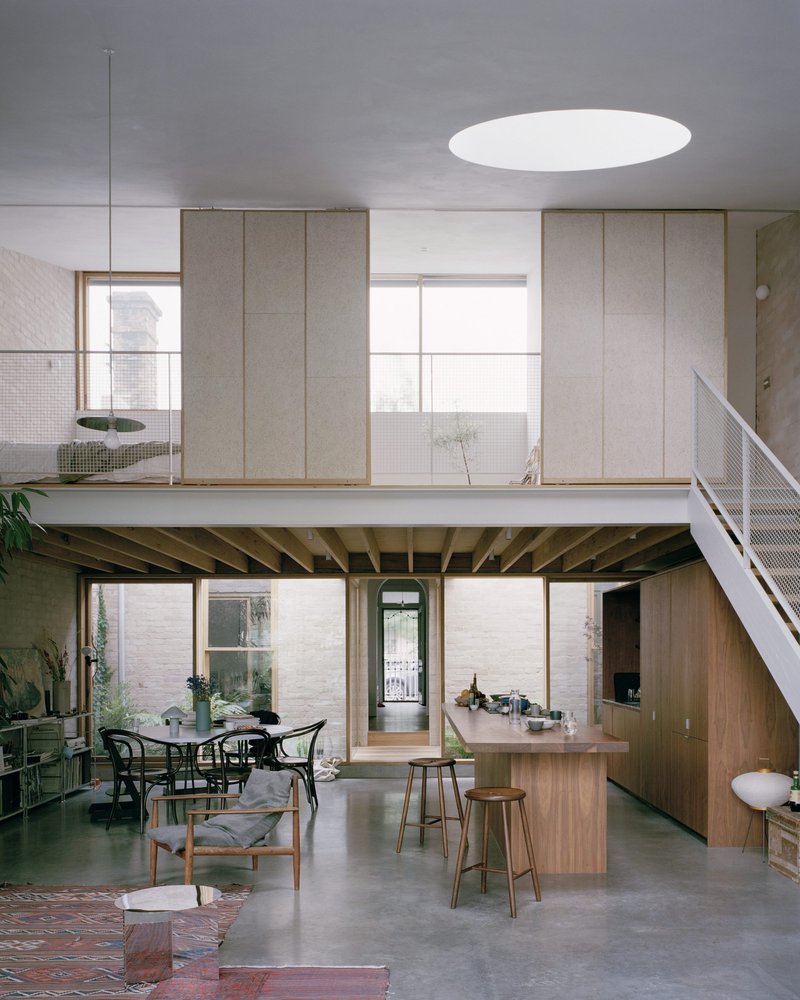
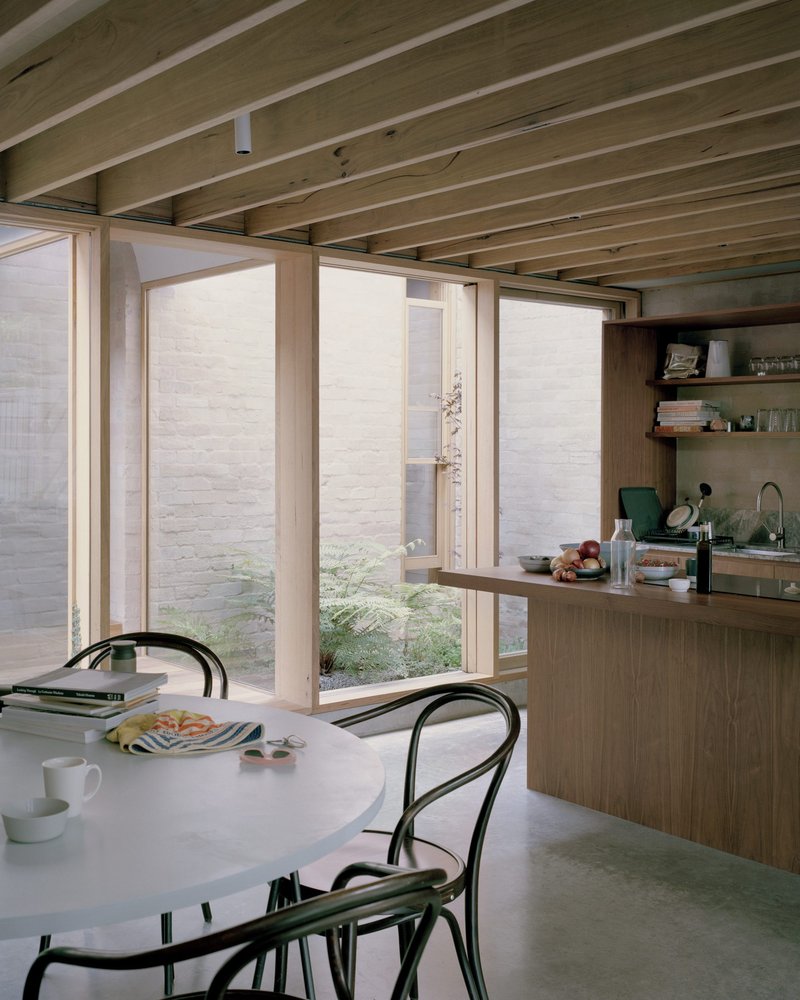
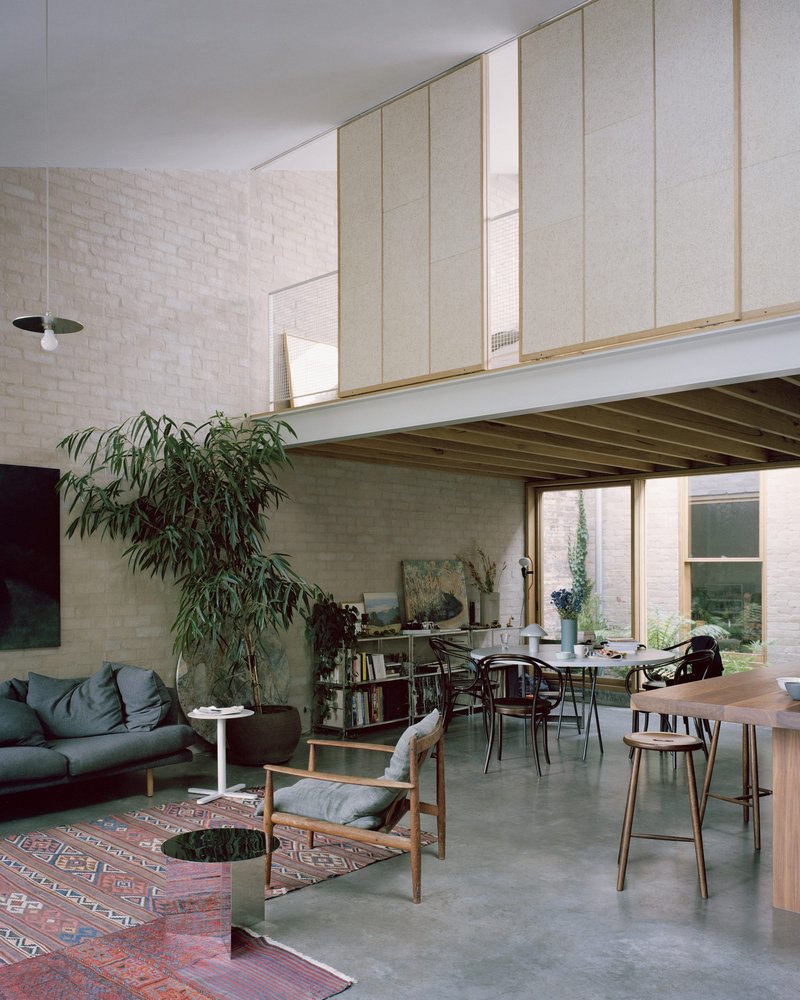
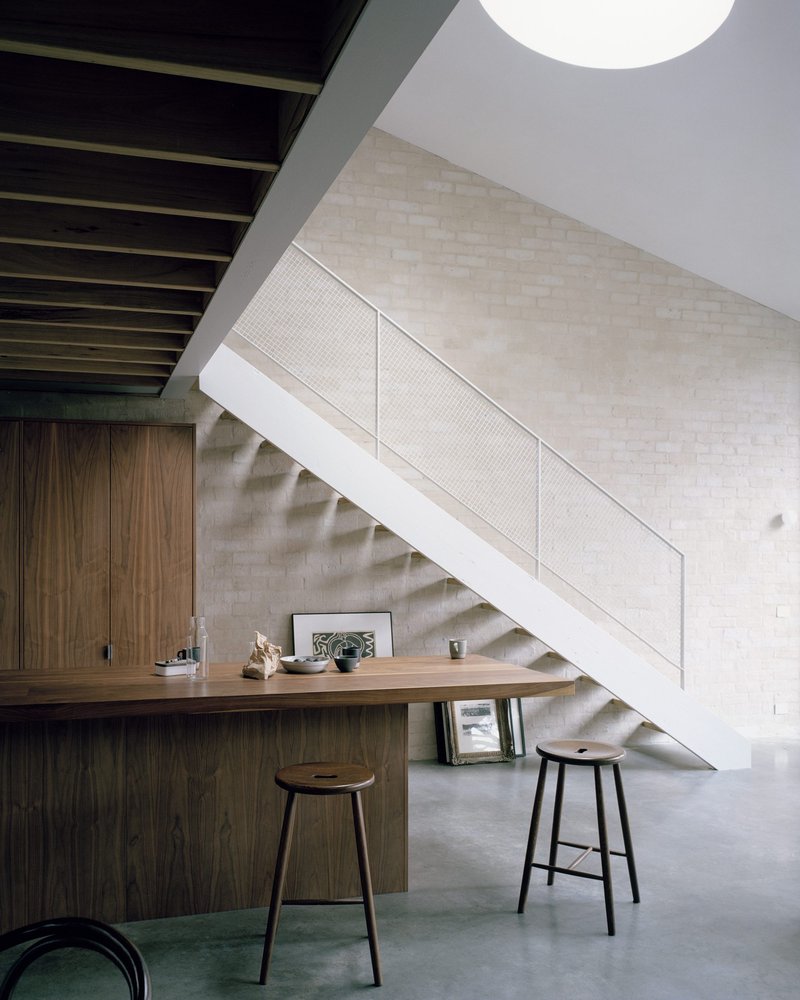
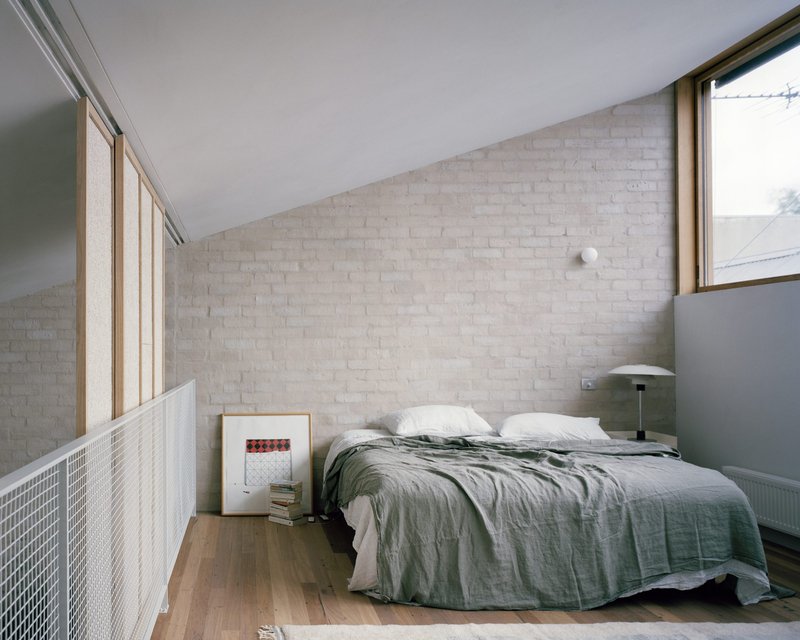
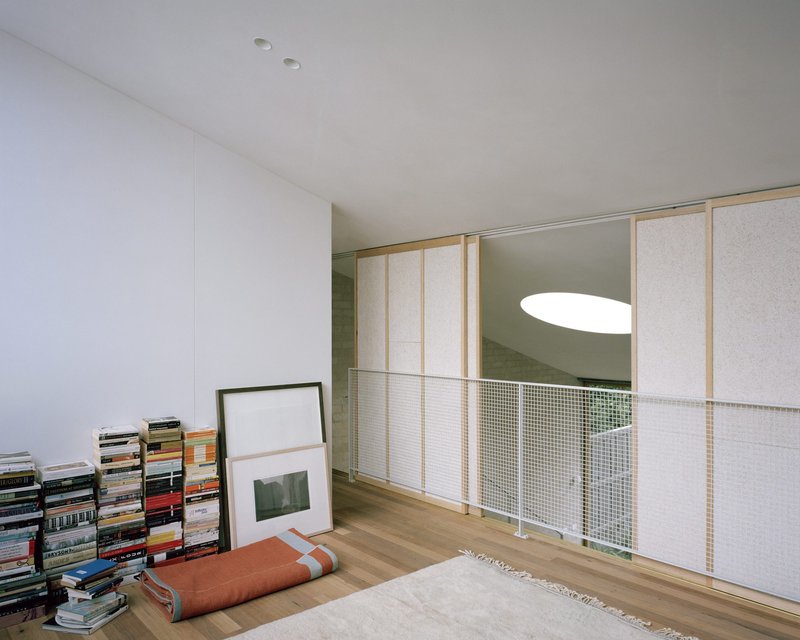
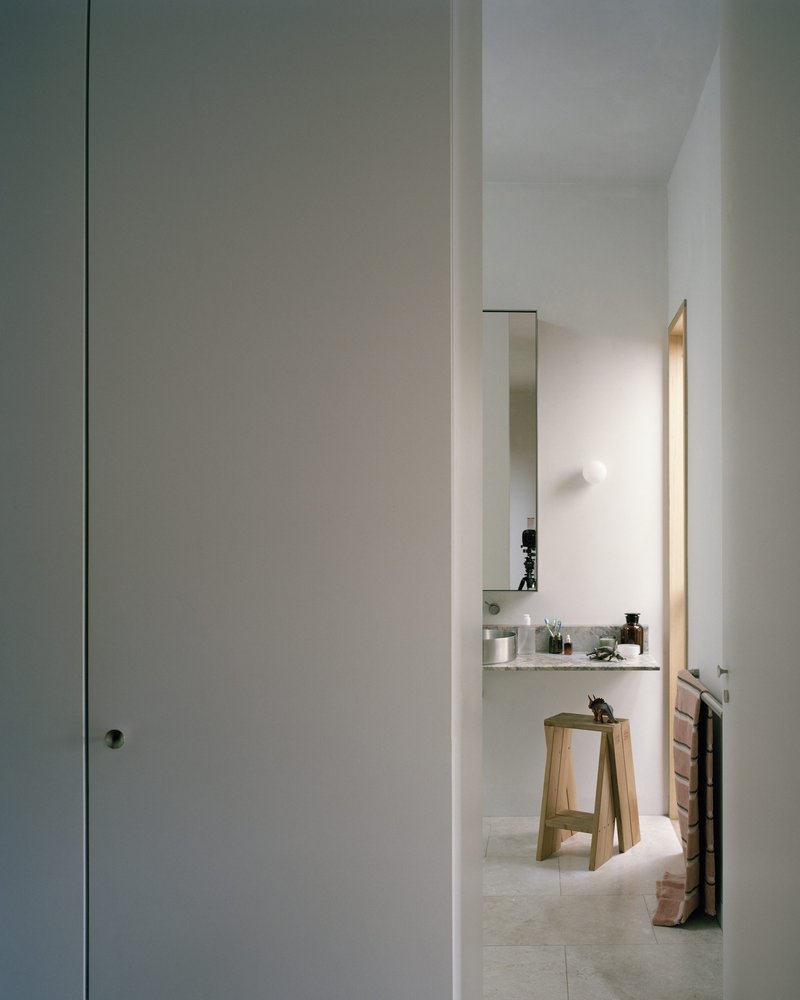
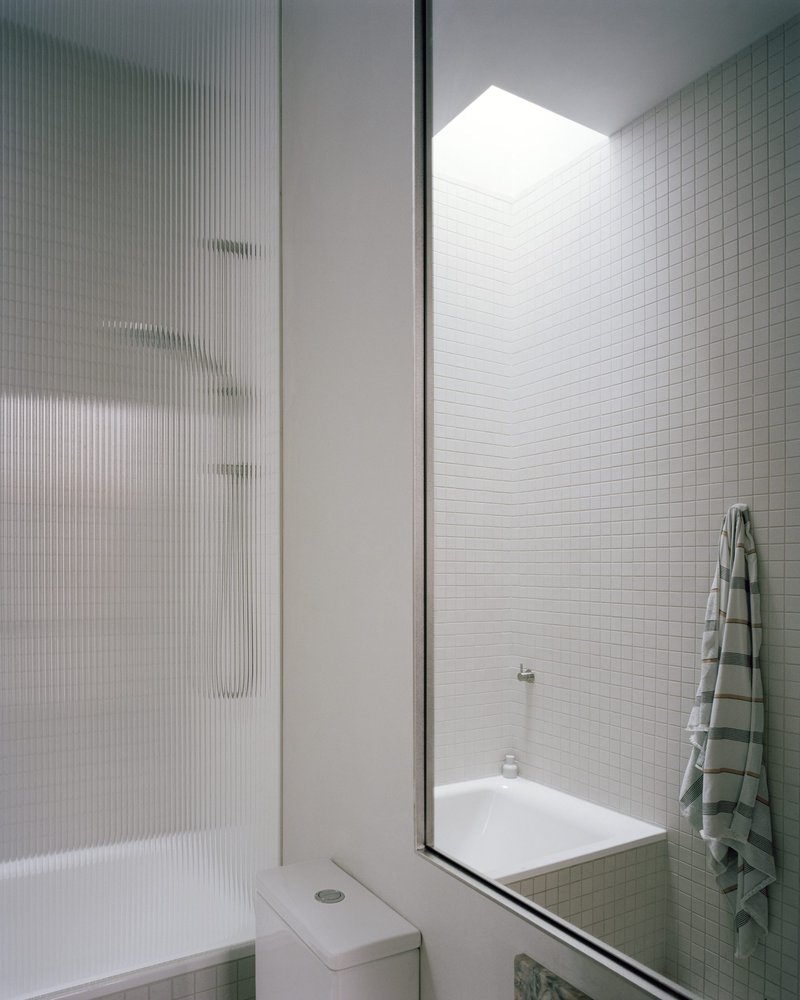
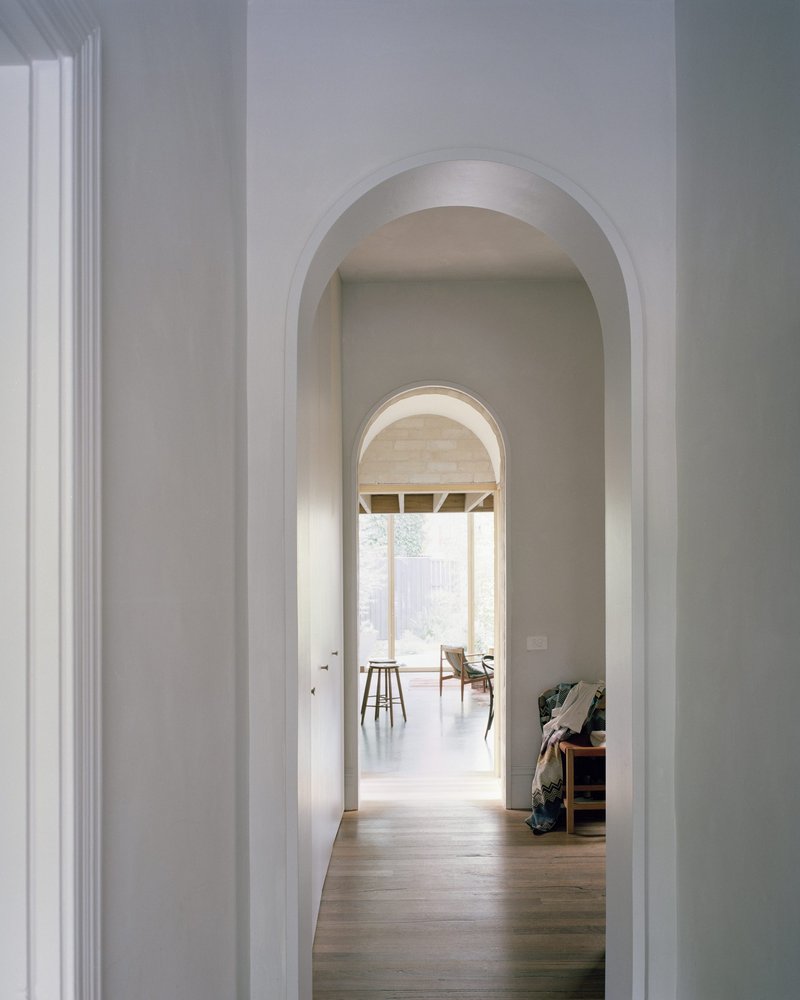
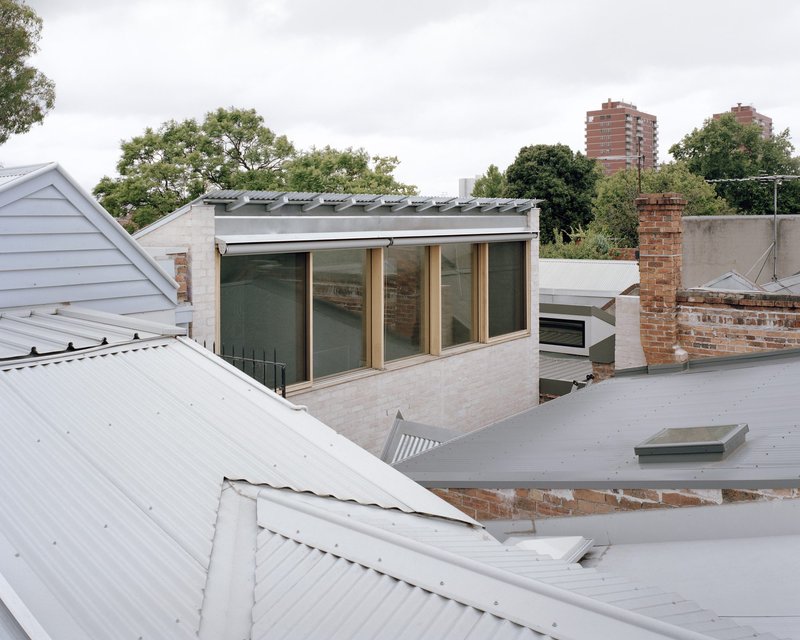
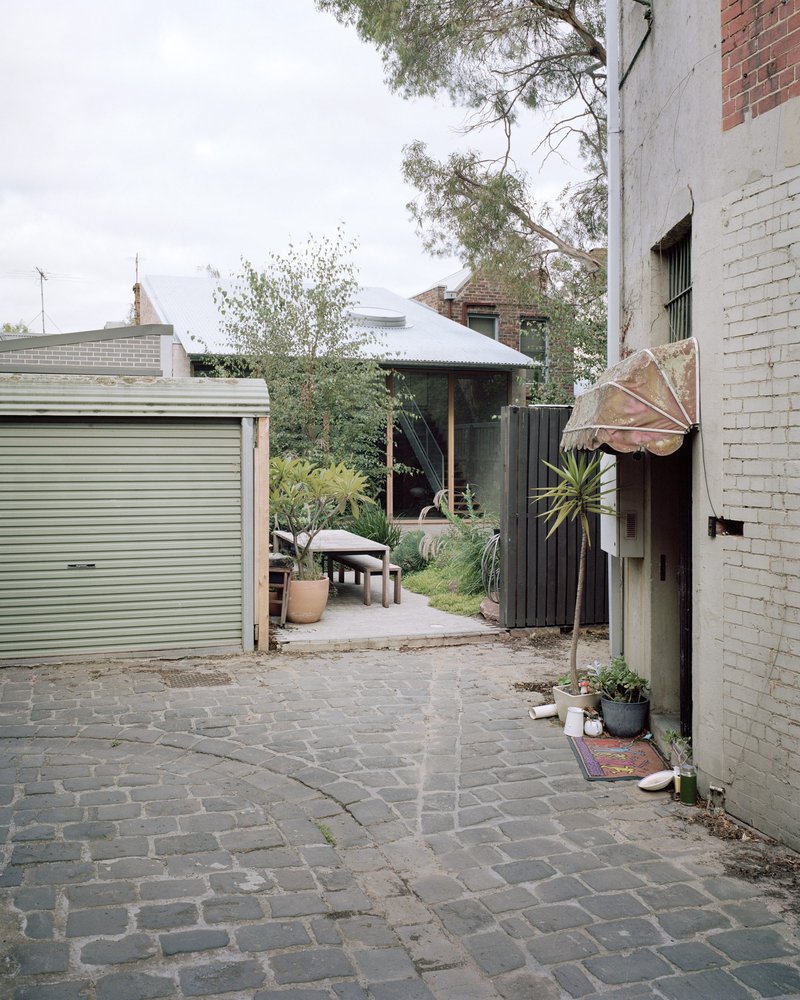
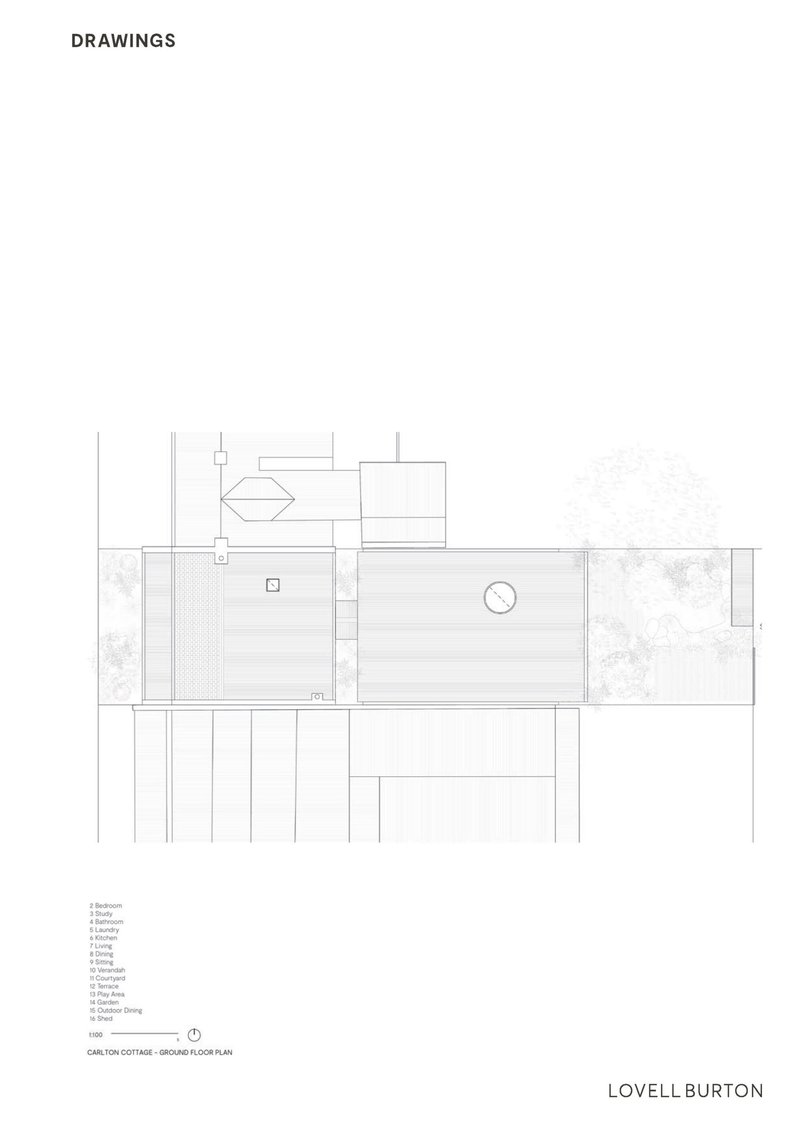
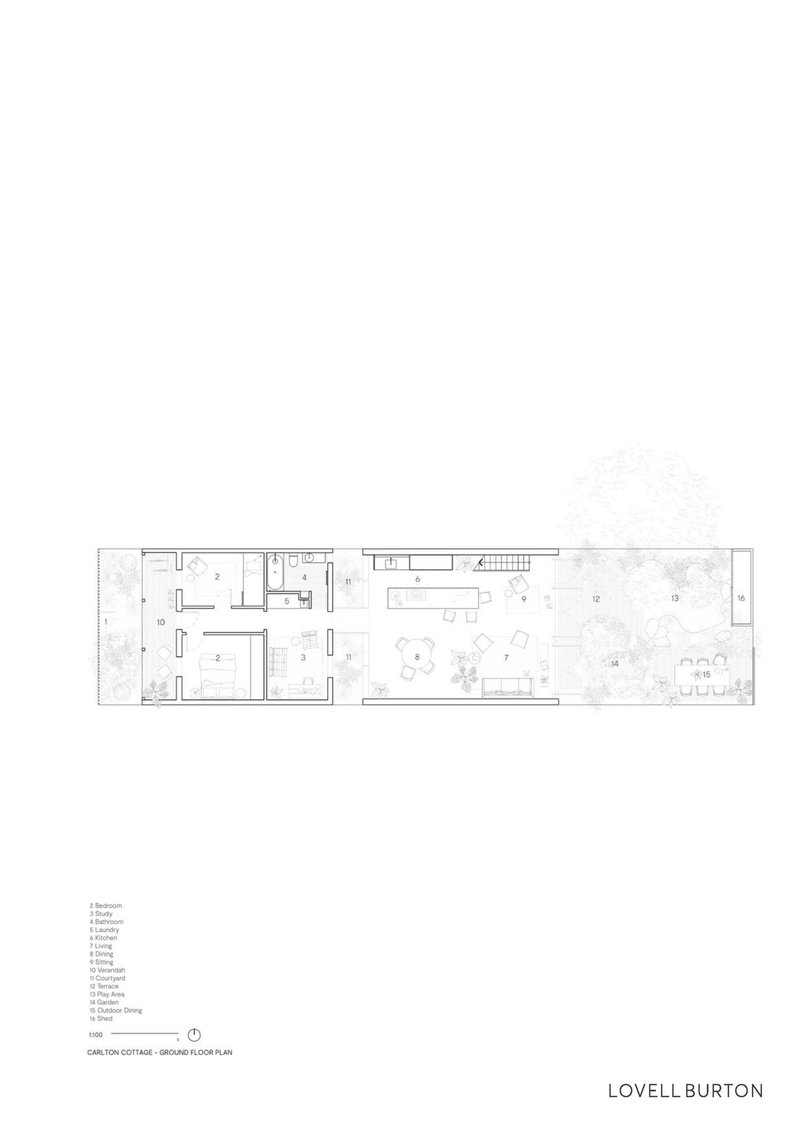
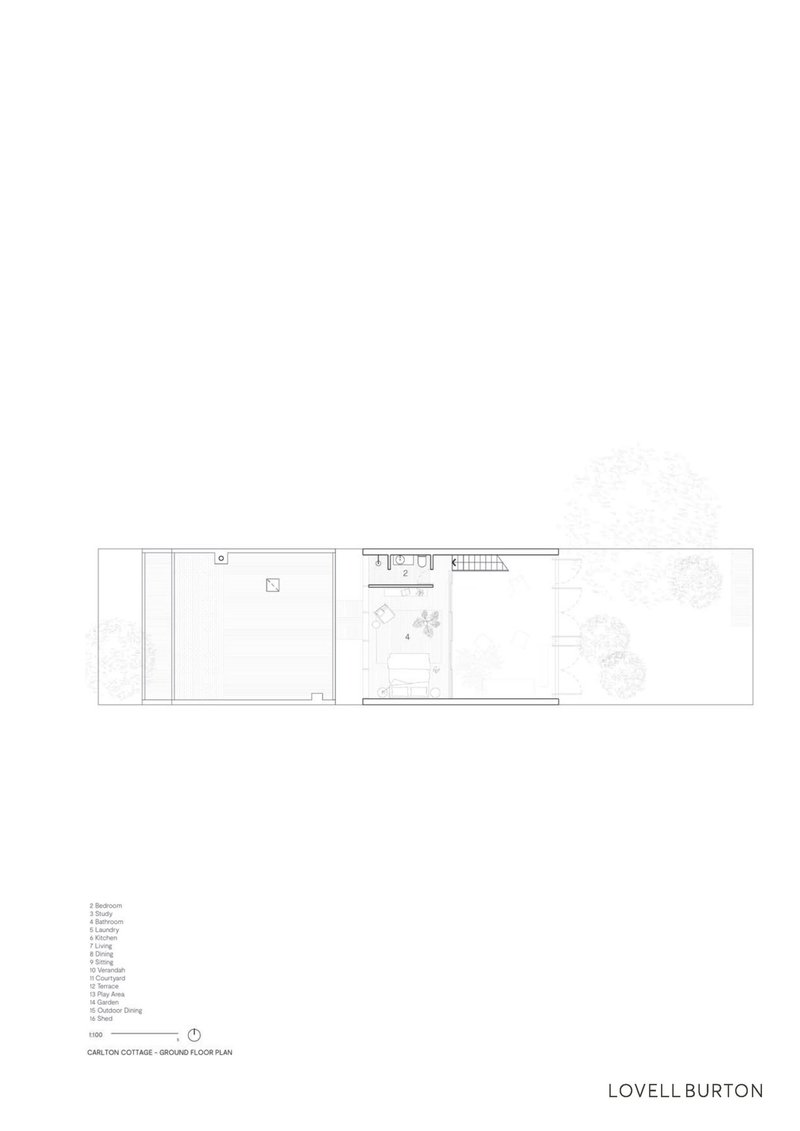
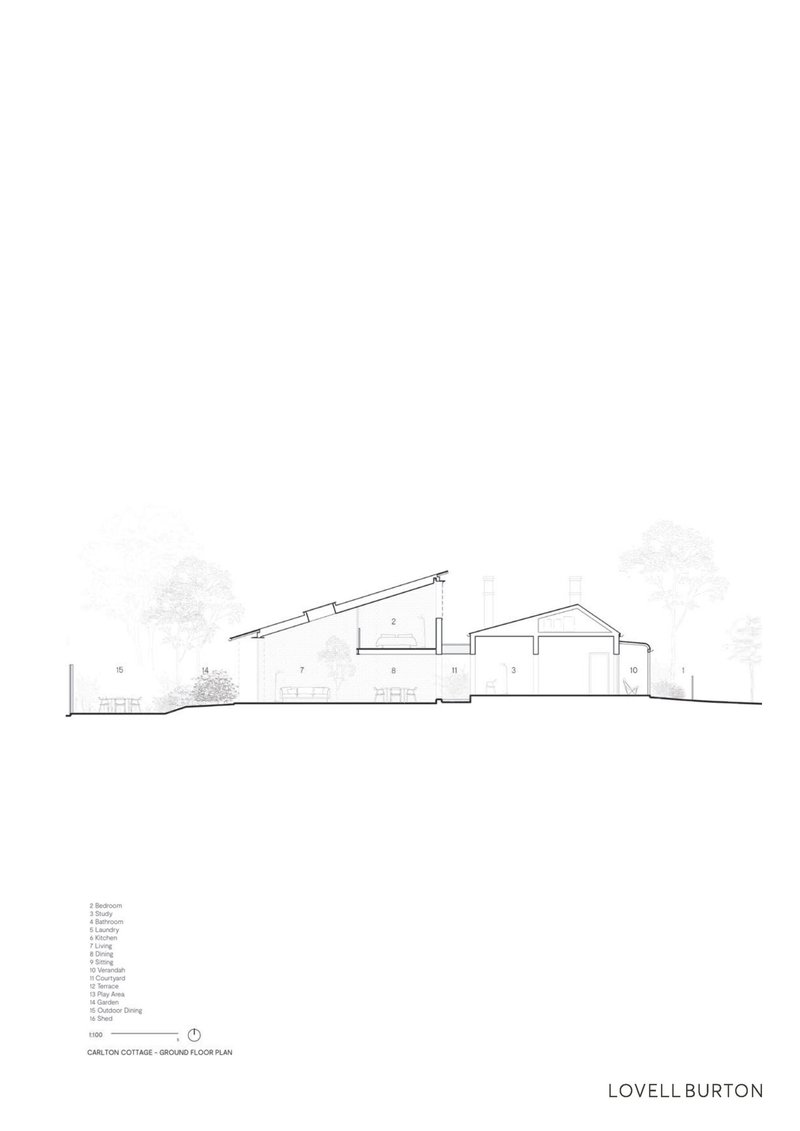
The site itself breathes beneath the protective canopy of a mature river gum from an adjacent property, which casts dappled shadows over the cottage. Once dark and dank, the existing structure has been tenderly modified into a quadrant dedicated to children's spaces, a flexible study, and wet areas. The new addition, a symphony of form and function, gracefully occupies four loosely arranged squares, housing kitchen and living zones, with a flexible bedroom and bathroom perched on a mezzanine above. A courtyard, the lungs of this dwelling, separates these realms, enabling a gentle breeze to whisper through during the languid days of summer.
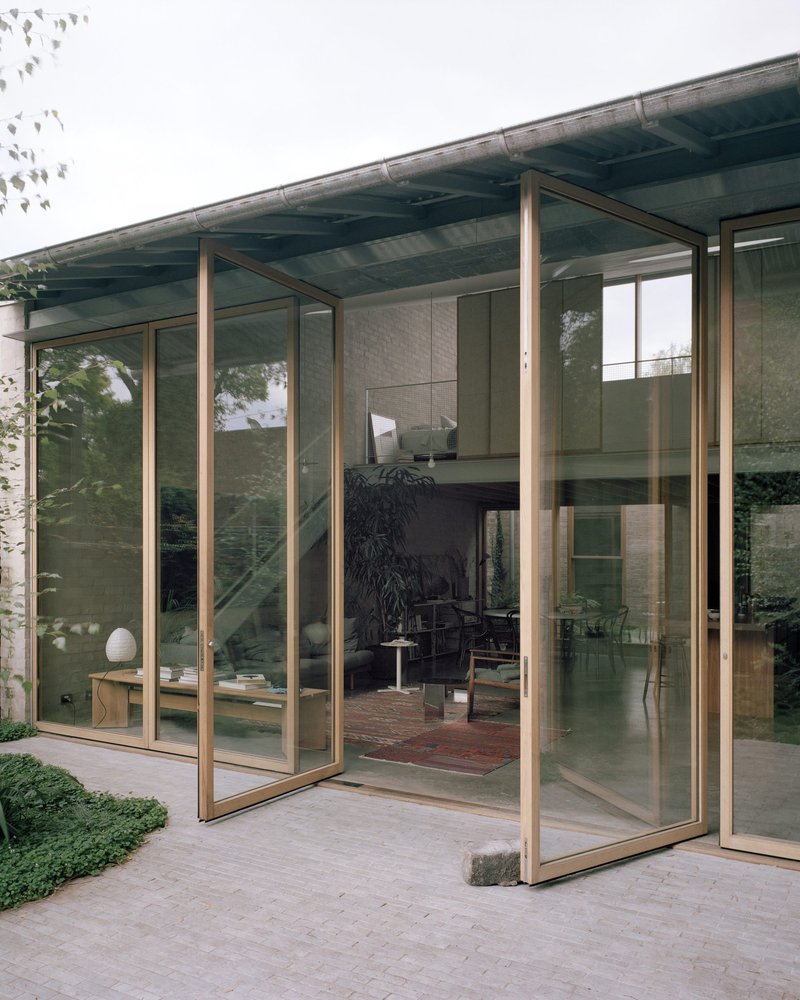
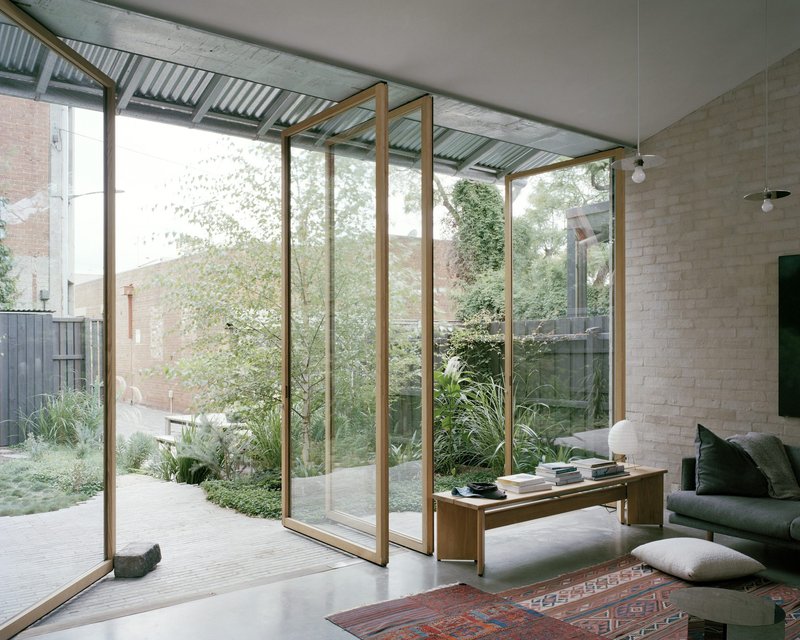
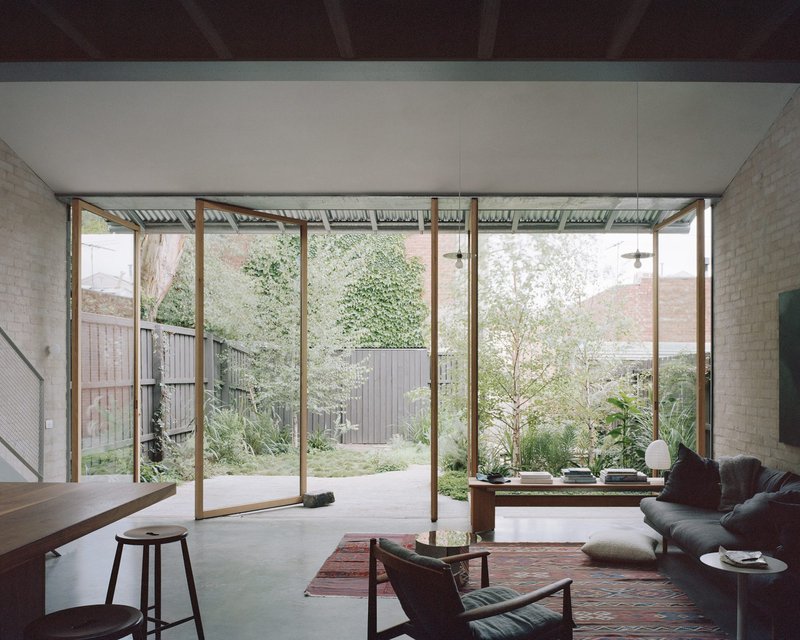
Beyond the threshold, the rear garden unfolds as a verdant third quadrant, a haven arrayed with lush foliage for privacy, a terrace for contemplation, a play space for laughter, and an outdoor dining area where memories are savored. A series of pivot doors dances between closure and openness, allowing the façade to orchestrate a ballet of light and shadow, adapting to the family's changing rhythms and the fleeting nuances of the seasons.
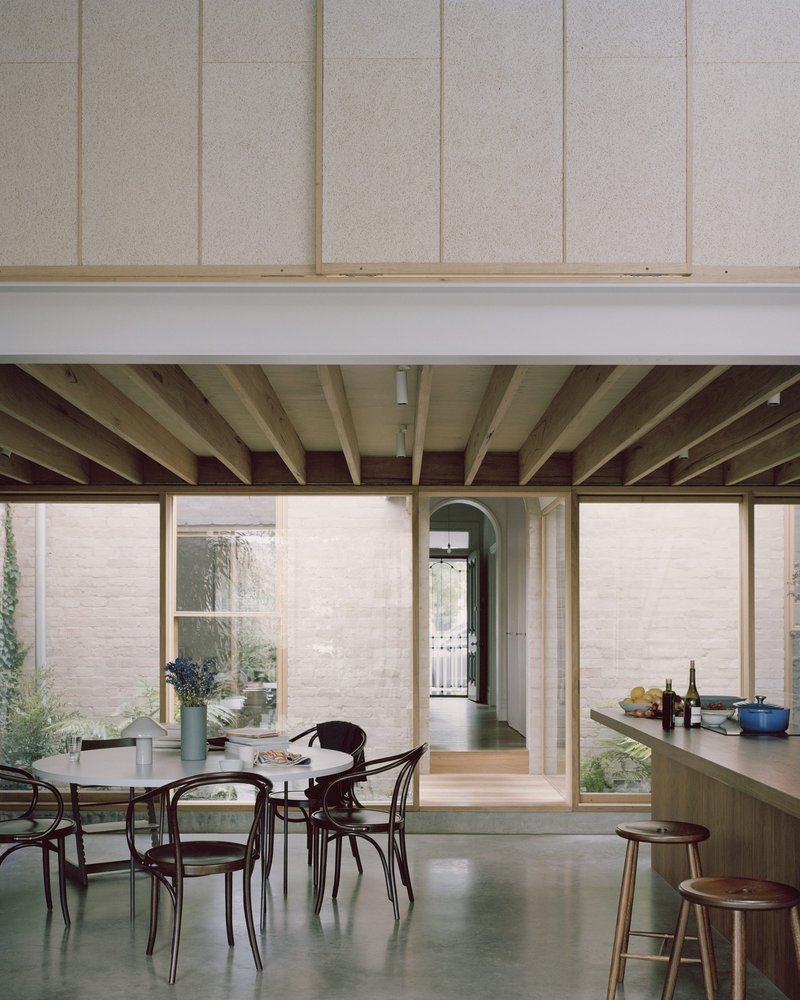
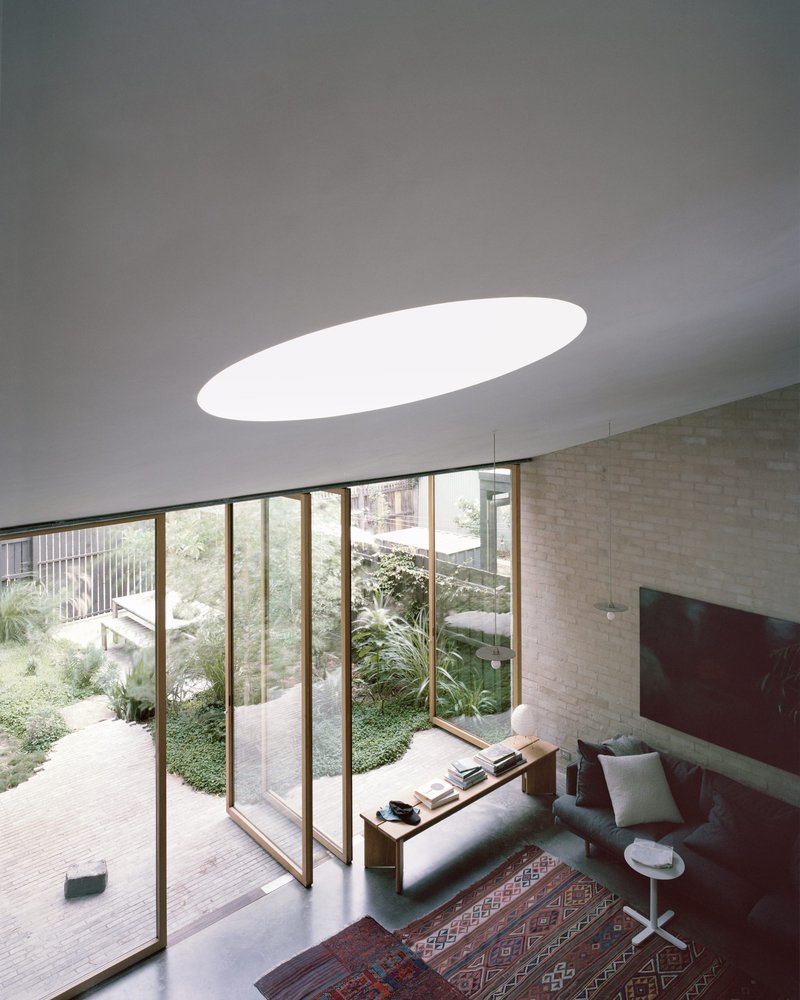
The architectural dialogue continues in the section, where the floor plane subtly steps down, defining zones with a whisper rather than a shout, while a large skillion roof, in harmonious concert with the existing gable, shelters the new addition. This skillion is not merely a roof; it is a sculptor of light, a director of water, and a conciliator of the built form with its surroundings. Internally, it draws the eye upwards, framing the sky in a celestial portrait, and invites soft light to caress the spaces below. A circular skylight becomes a lens through which the upper canopy of the river gum is admired, a natural fresco in perpetual motion.
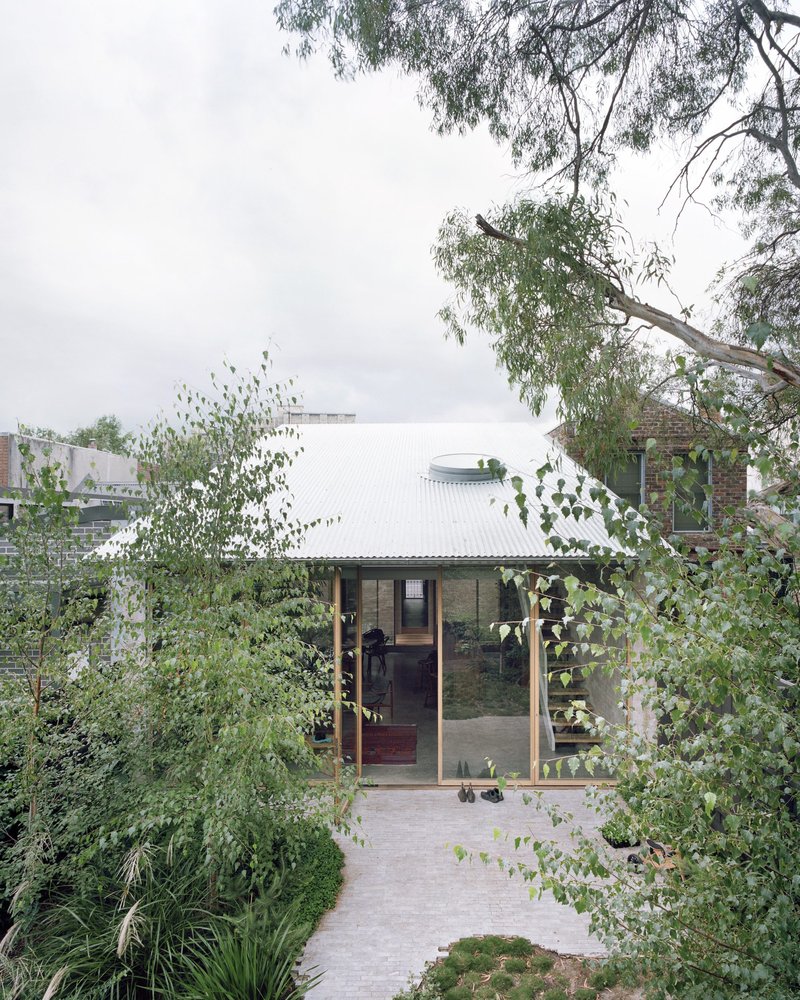
Materiality, chosen with an eye for performance and sustainability, reflects a commitment to upcycling. The existing slab beneath the cottage was replaced with a lightweight framed floor, deftly managing subfloor ventilation and moisture. Locally sourced hardwood, repurposed with care, forms the new timber floor, while bricks from a demolished lean-to find new life within the walls. A discarded stone slab from the Pilbara, now graces the benchtops, and the kitchen, a sculptural piece of solid walnut, is designed to patina with grace over time.
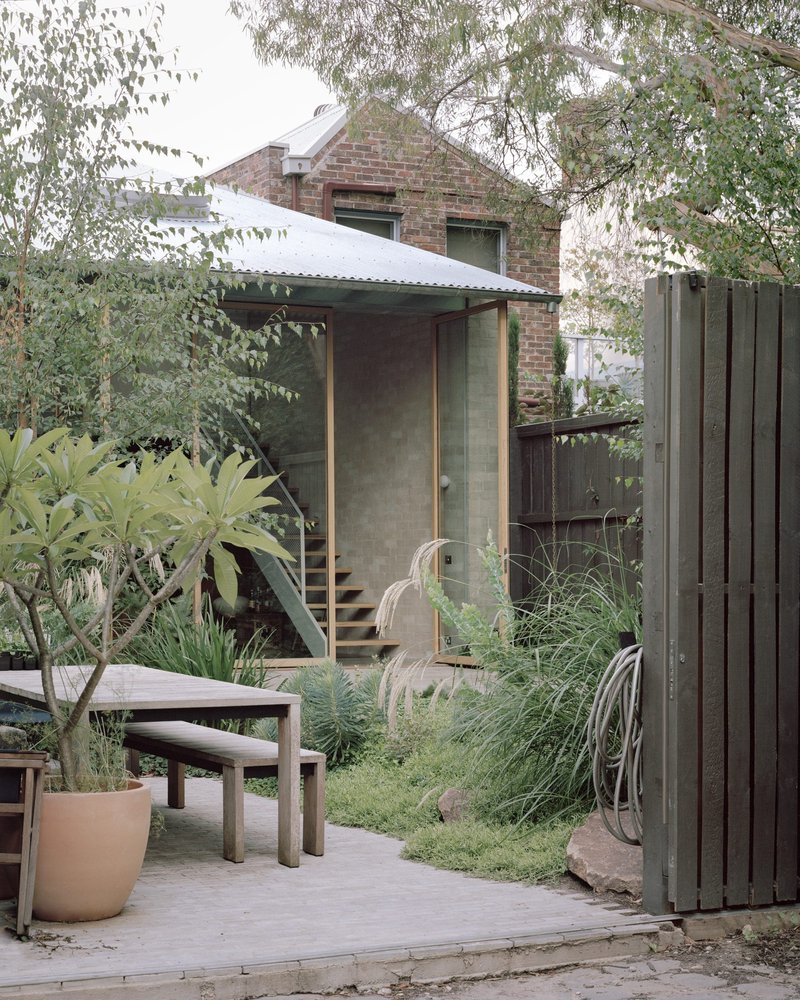
In contrast to the bustling grit of surrounding streetscapes, Carlton Cottage emerges as a reparative space, an evolving canvas for familial growth, fostering fluid relationships within and beyond its walls. It stands as a harmonious union between the individual and the communal, a reflection of architecture's profound ability to connect and transform.
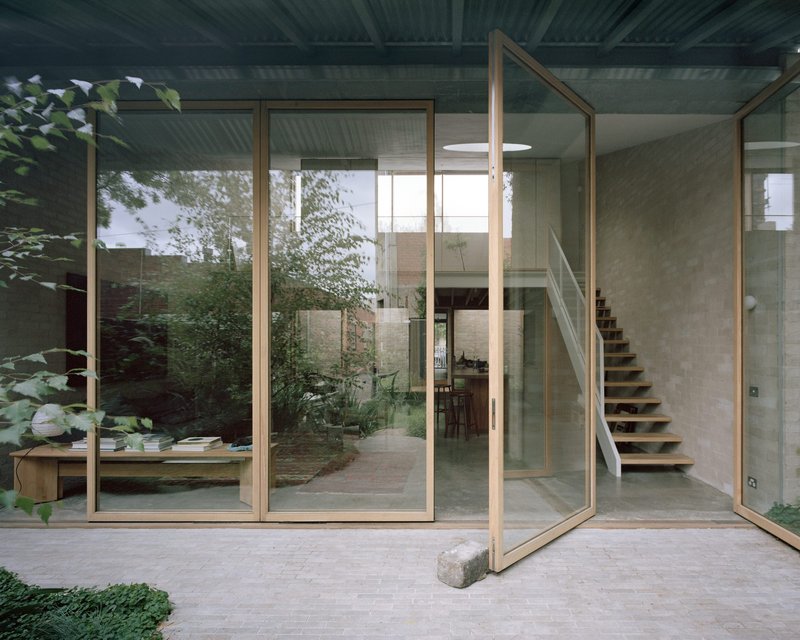
Lovell Burton Architecture, with a masterful touch, has crafted more than a home; they have woven a narrative of space and light, a dialogue of past and present, an ode to the art of living.