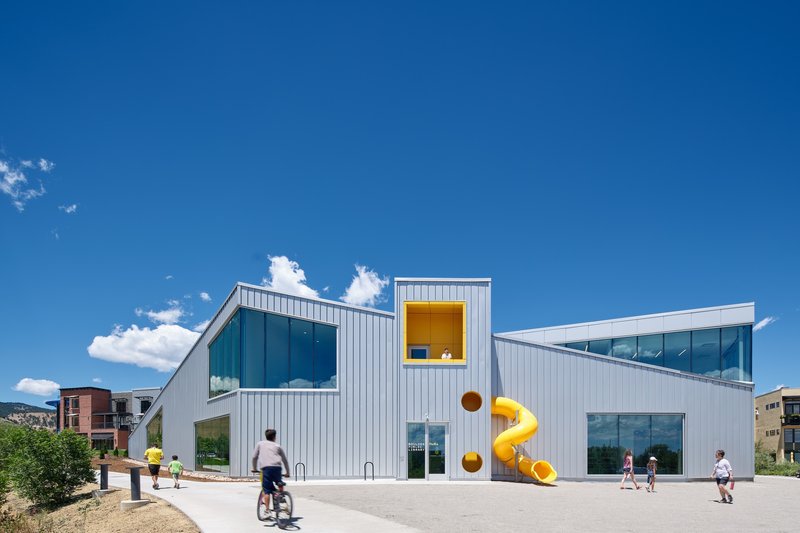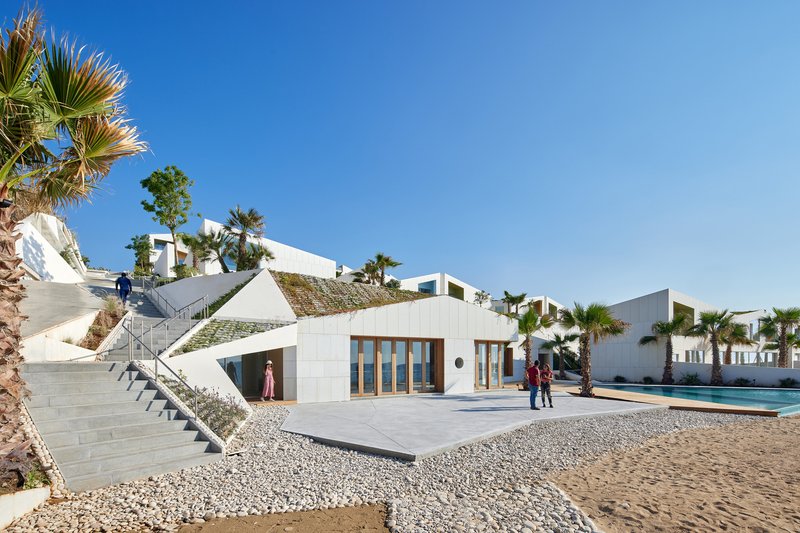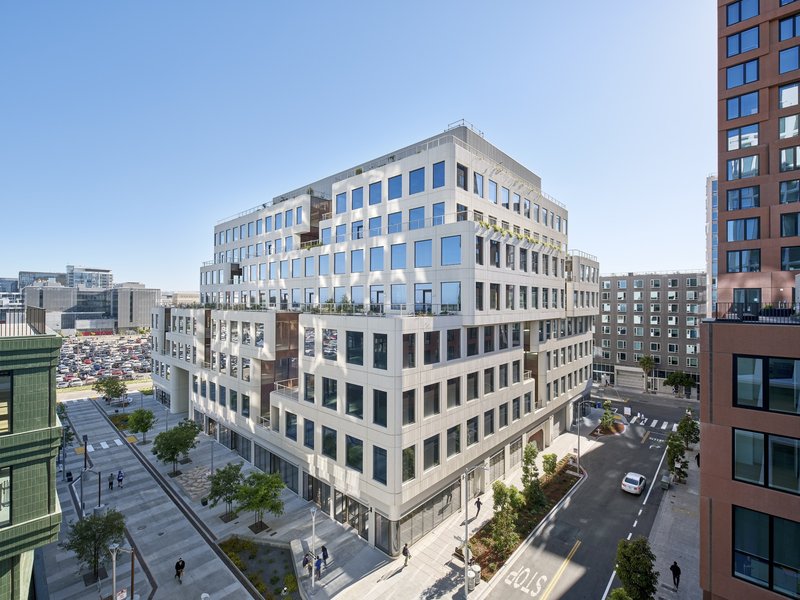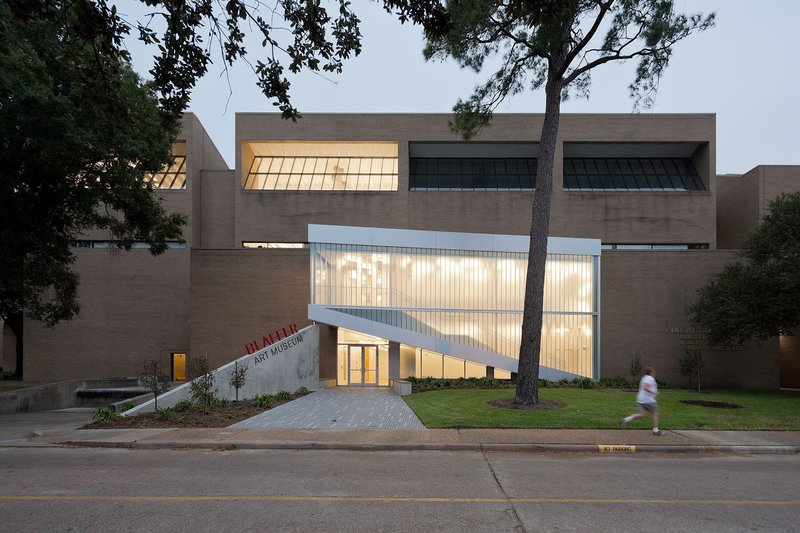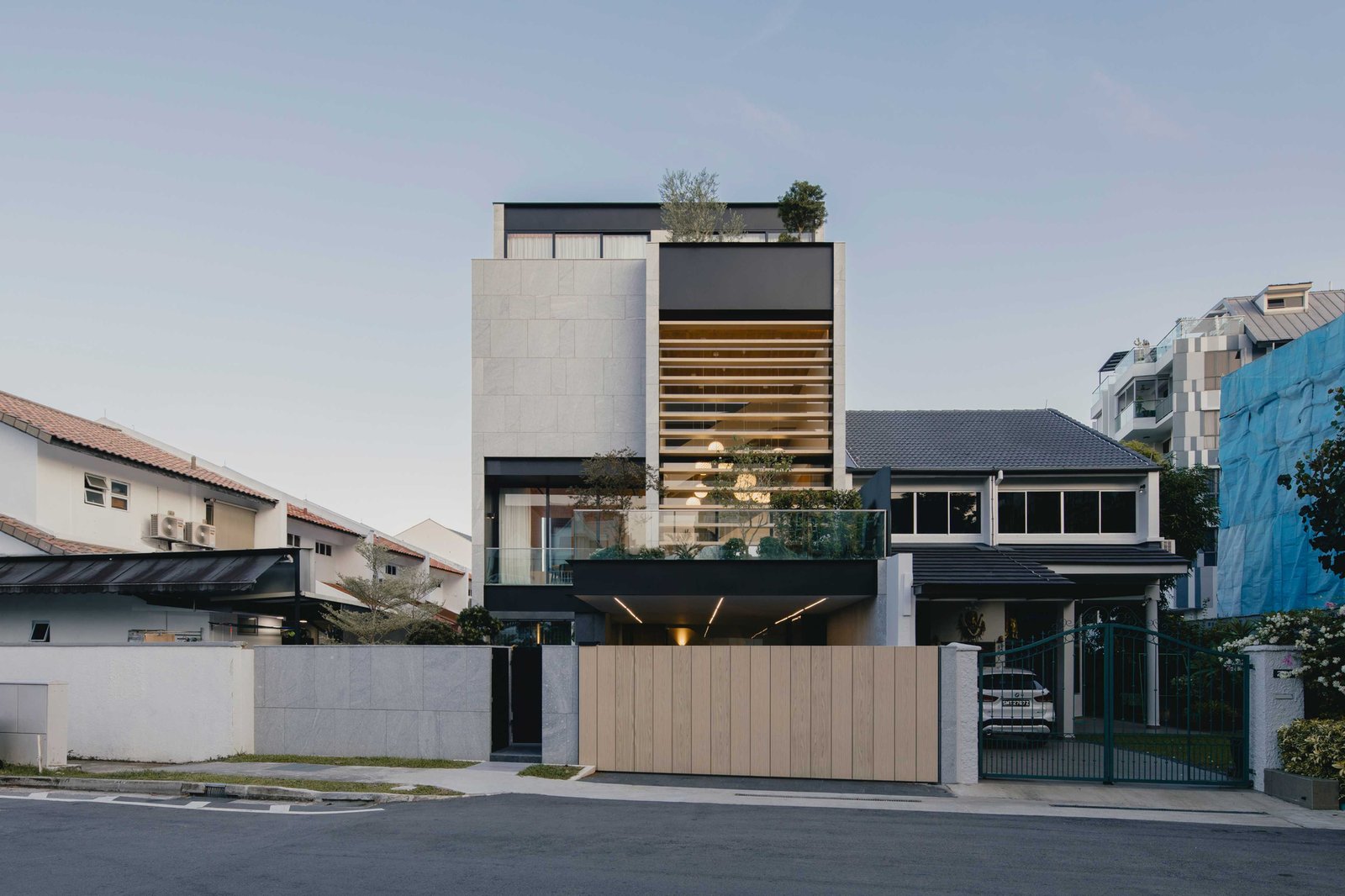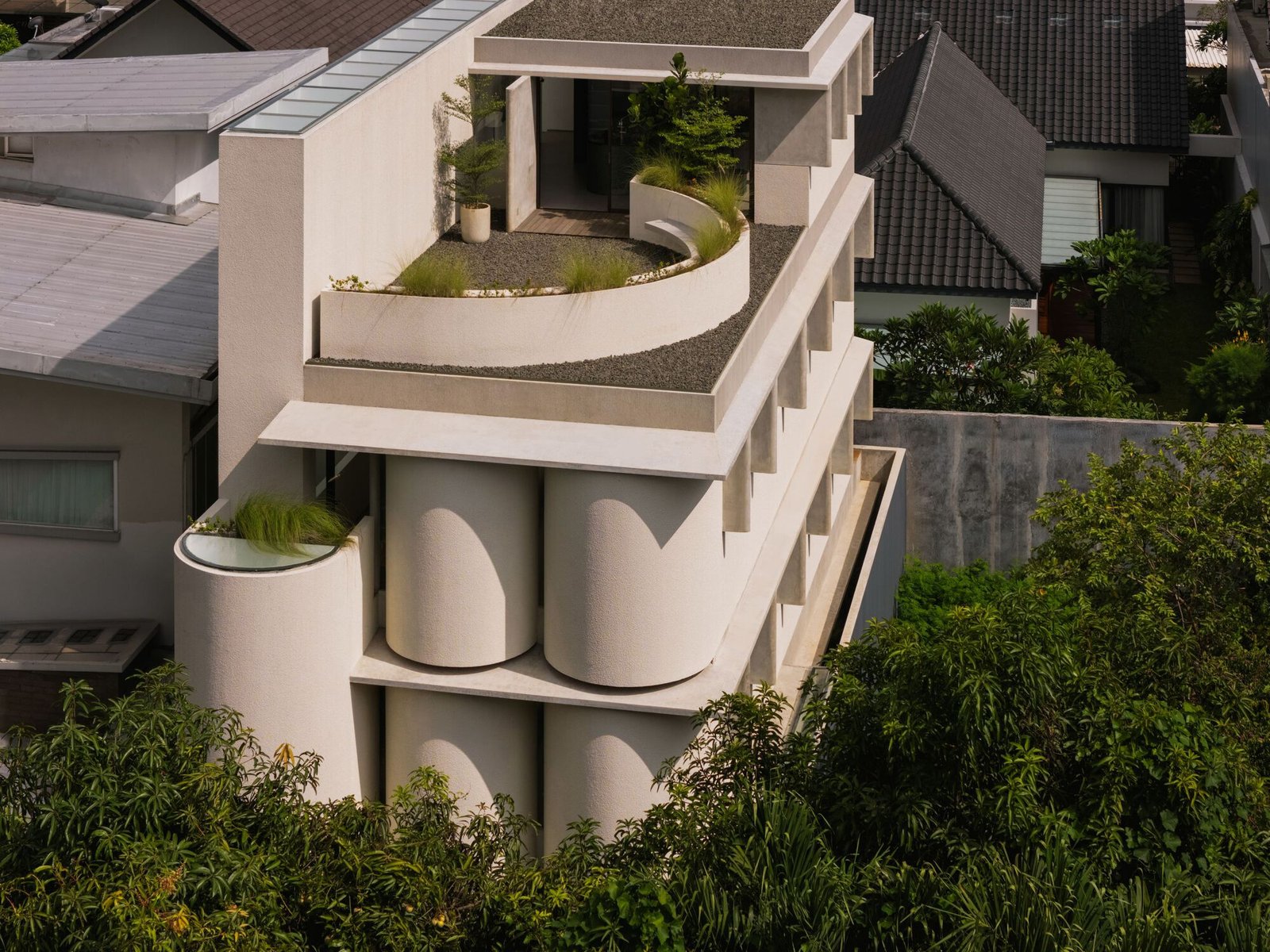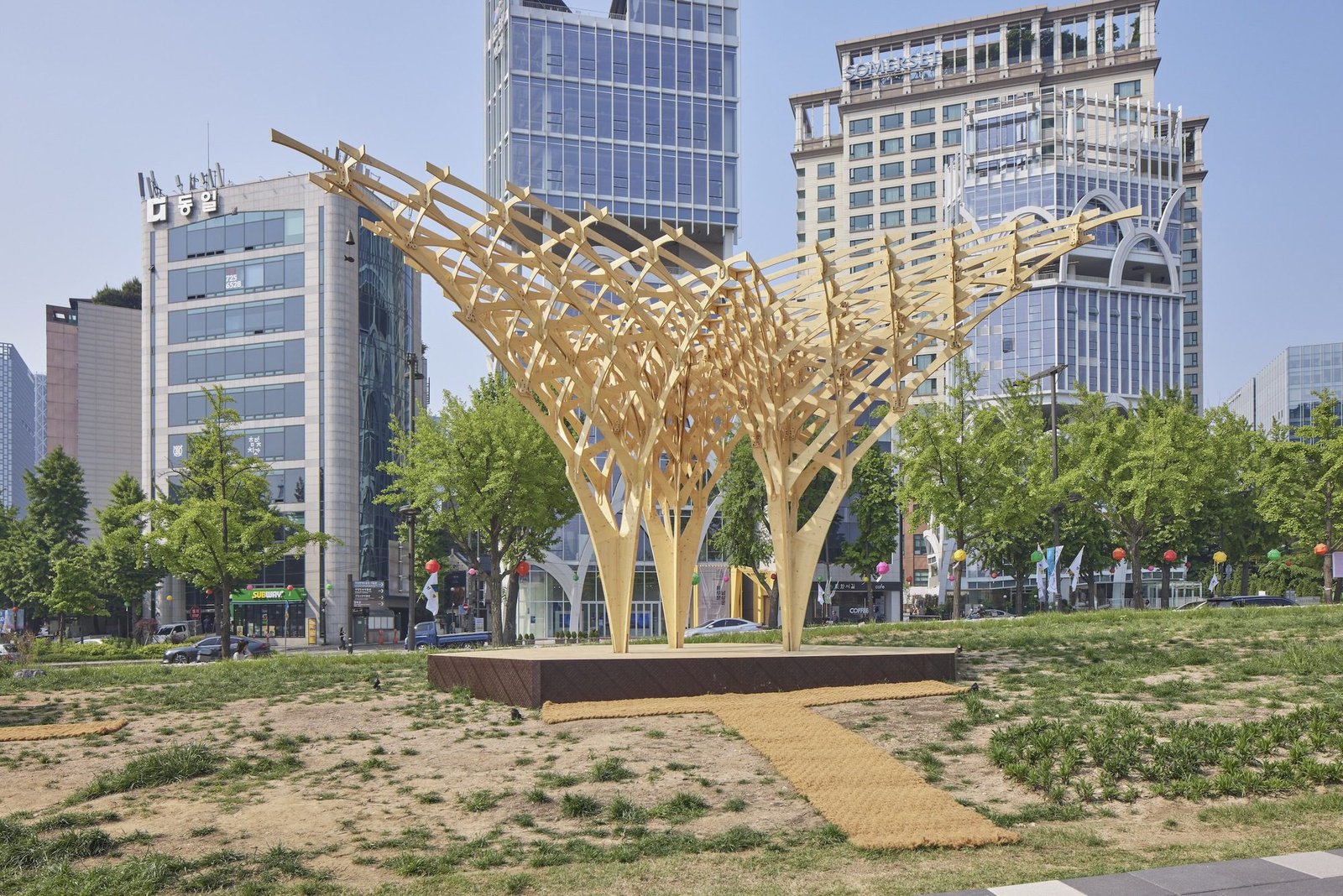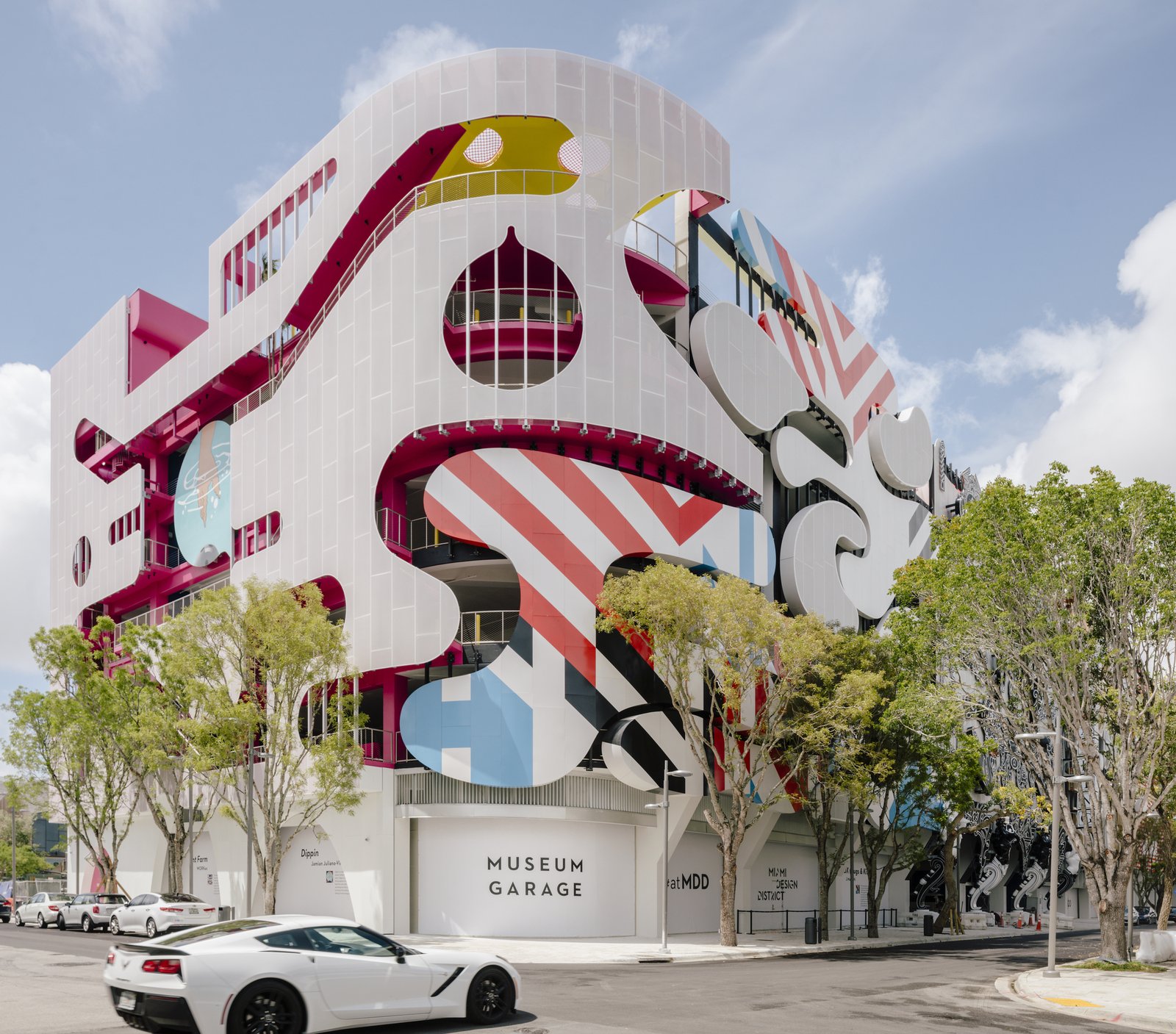
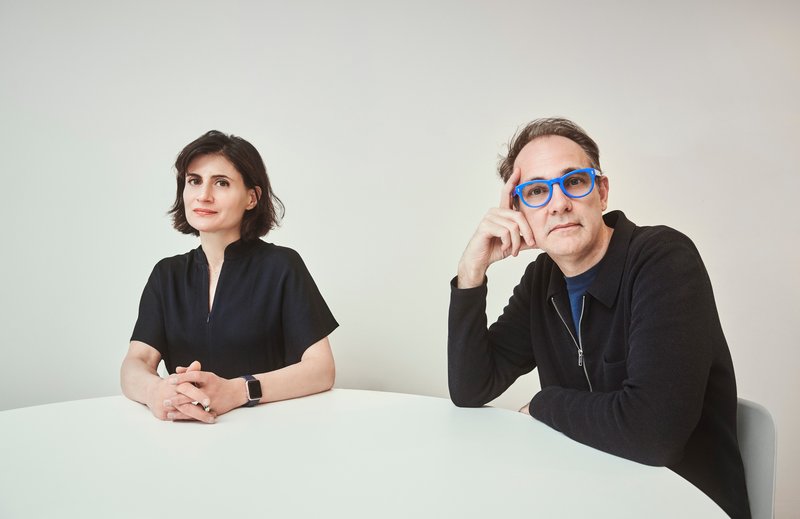
In the ever-evolving tapestry of architectural discourse, where the boundaries of design are constantly being tested and redefined, emerges WORKac, a New York-based atelier that has been shaping the spatial narrative since its inception in 2003. Founded by the visionary minds of Amale Andraos and Dan Wood, this firm stands as a testament to the transformative power of architecture, not merely as a static construct but as a dynamic dialogue with the environment and society.
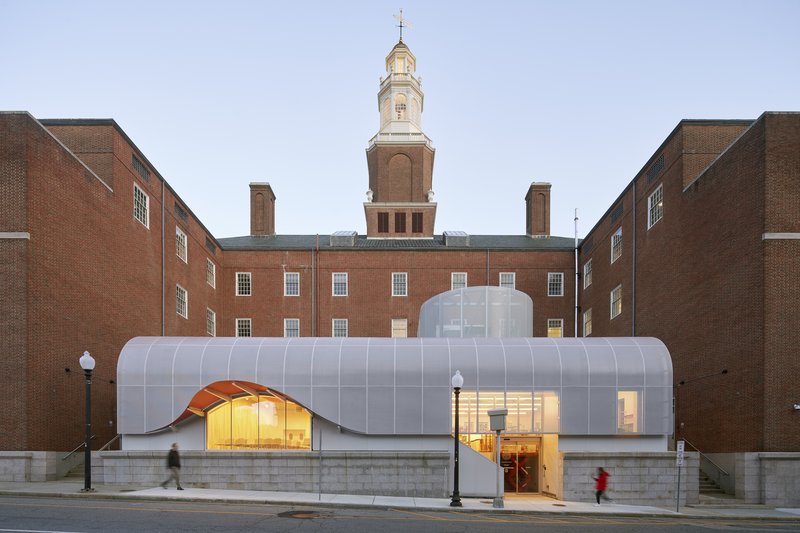
WORKac's philosophy is deeply rooted in the belief that architecture possesses an innate ability to address both environmental and social concerns, creating a fertile ground for new futures. This ethos is reflected in their approach, which they describe as a perpetual evolution—a journey marked by continuous learning, questioning, and relearning. It is a process that finds nourishment in the rich tapestry of local cultures, climates, and histories, weaving these threads into a cohesive narrative informed by the discourses of ecology, landscape, and urbanism.
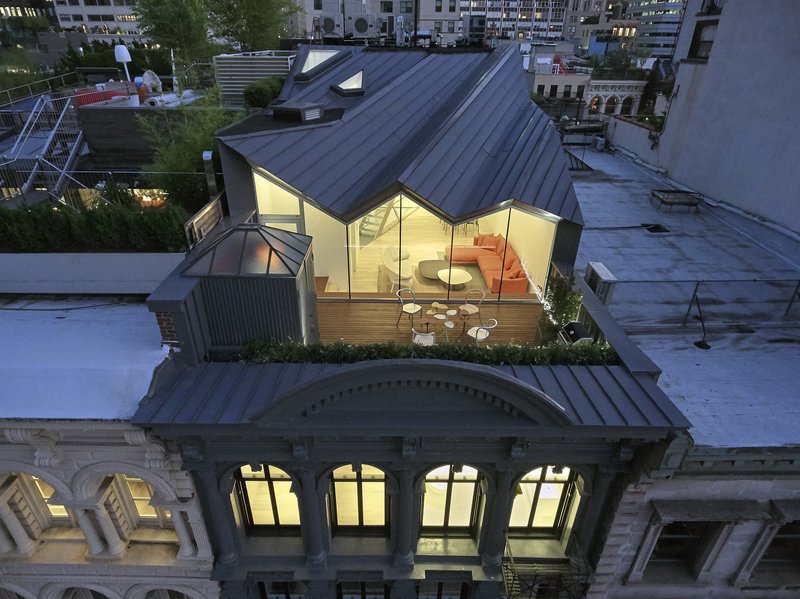
As one traverses through the projects graced by WORKac's touch, there is an overwhelming sense of presence—a tangible connection between the built environment and the human experience. The play of light across meticulously chosen materials creates an ever-changing canvas, inviting those who enter to engage with the space in a profound manner. This is not architecture that demands attention; rather, it whispers to the senses, inviting a dialogue that is both intimate and expansive.
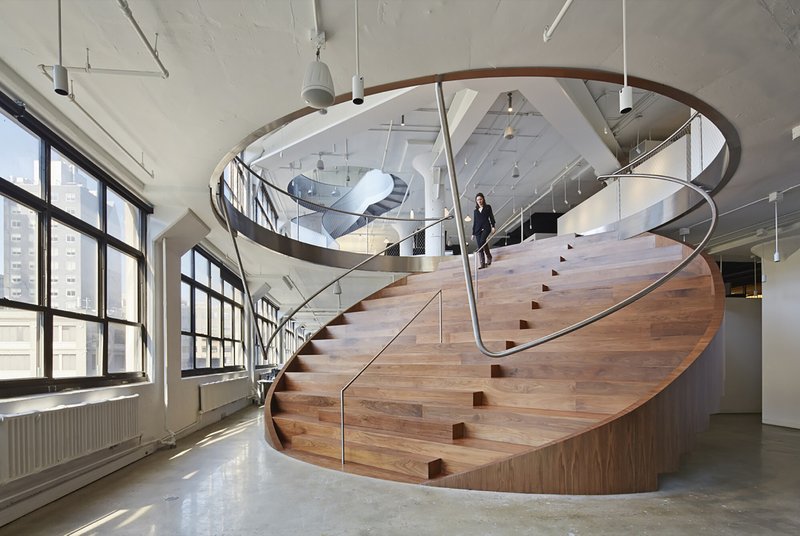
WORKac's portfolio is a testament to their commitment to public, cultural, and civic projects that seek to reimagine the ways in which we dwell, labor, and perceive the world. Their work is an exploration of how architecture can serve as a catalyst for social interaction, fostering communities that are as vibrant and diverse as the spaces themselves. The firm's endeavors go beyond mere structures; they are about creating ecosystems that thrive on the symbiotic relationship between people and their environments.
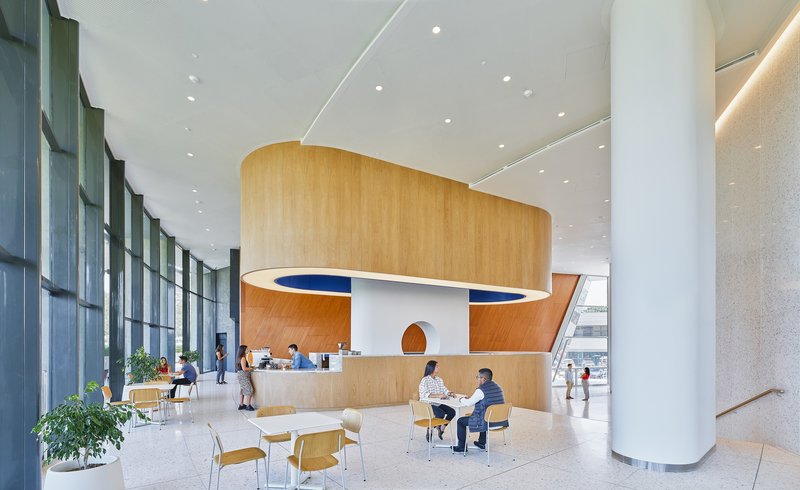
Beyond the physical manifestations of their work, both Andraos and Wood are deeply embedded in the realm of academia, contributing to the intellectual fabric of architectural thought. Andraos, as Dean Emeritus of Columbia GSAPP, and Wood, with his numerous visiting professorships at esteemed institutions such as Yale and Princeton, bring a wealth of knowledge that informs their practice. Their scholarly pursuits, including publications like "The Arab City: Architecture and Representation," co-edited by Andraos and Nora Akawi, delve into the complexities of contemporary architecture and urbanism in diverse contexts.
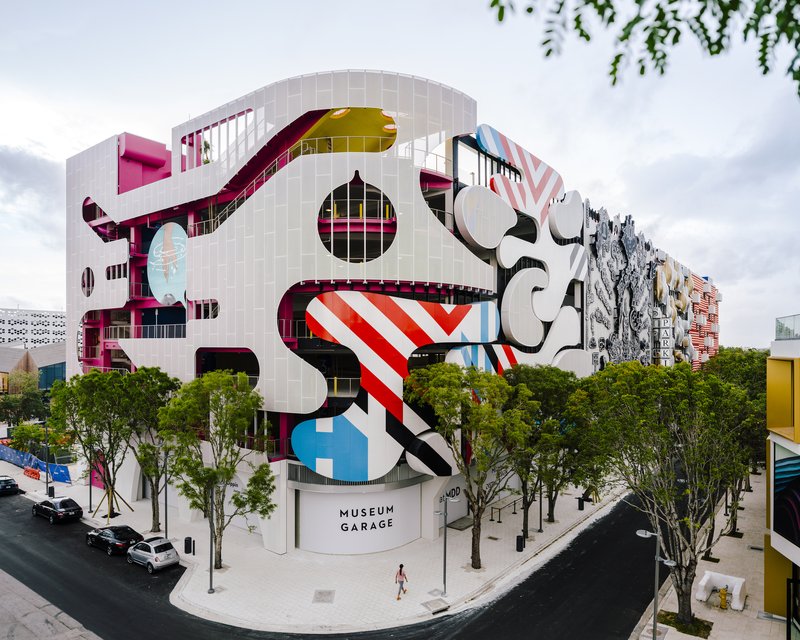
The culmination of their work and thought is encapsulated in their published works, including the forthcoming "Buildings for People and Plants," slated for release in 2025. This oeuvre is not just a reflection of their design ethos but a call to action for the architectural community to rethink the role of architecture in the broader ecological and social landscape.
In this intricate dance of elements, WORKac continues to push the boundaries of what architecture can be—a symphony of form and function, of presence and possibility, inviting us all to partake in the exploration of space anew.