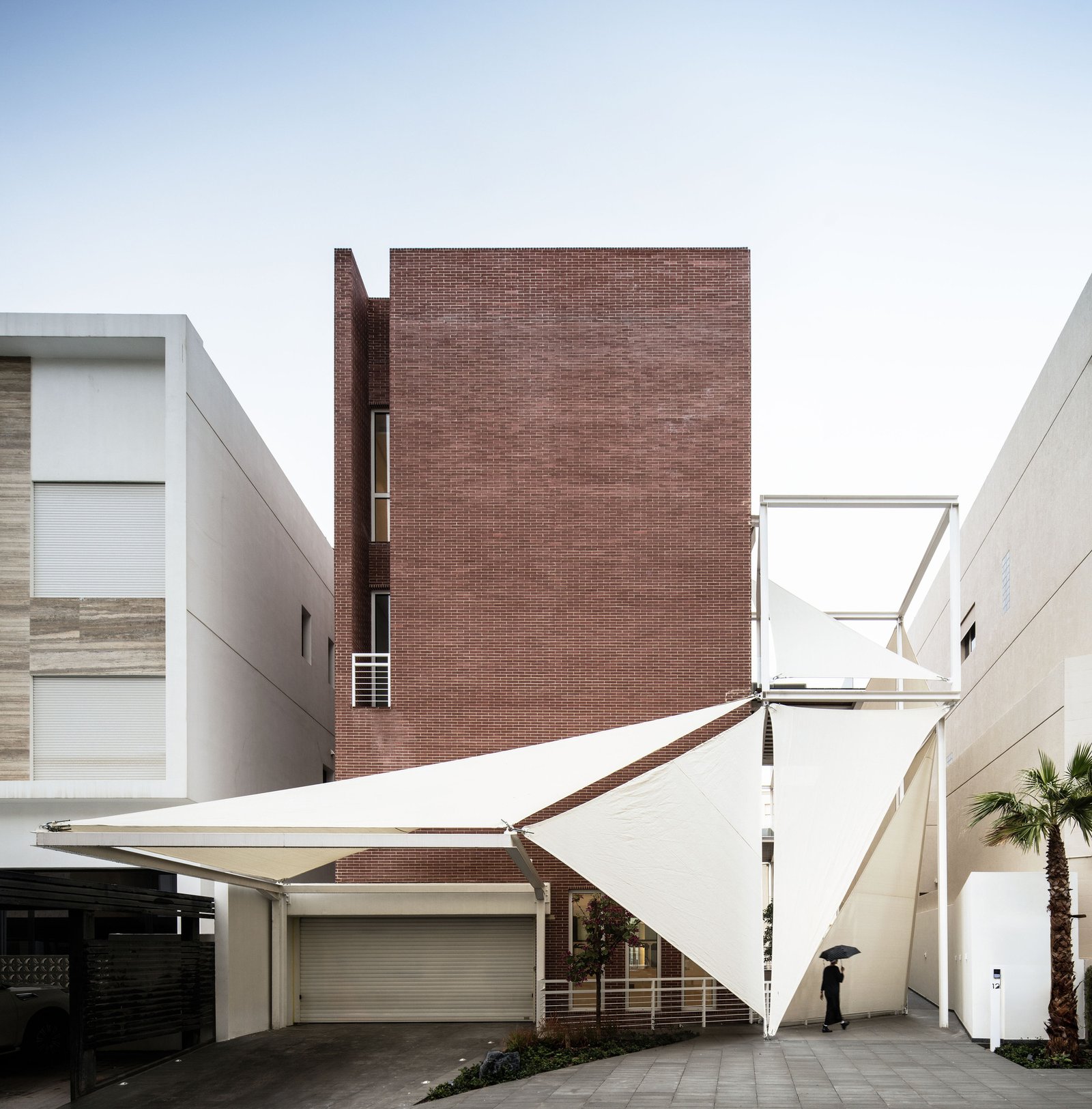
In the sublime realm of architectural design, where the delicate balance between privacy and illumination often dances a precarious waltz, the Shade House emerges as a virtuoso conductor, orchestrating this intricate performance with unparalleled finesse. Conceived by the visionary minds at Massive Order, this dwelling transcends mere habitation, inviting its inhabitants to partake in a serene symphony of light and shadow, crafted with precision and poetic intent.
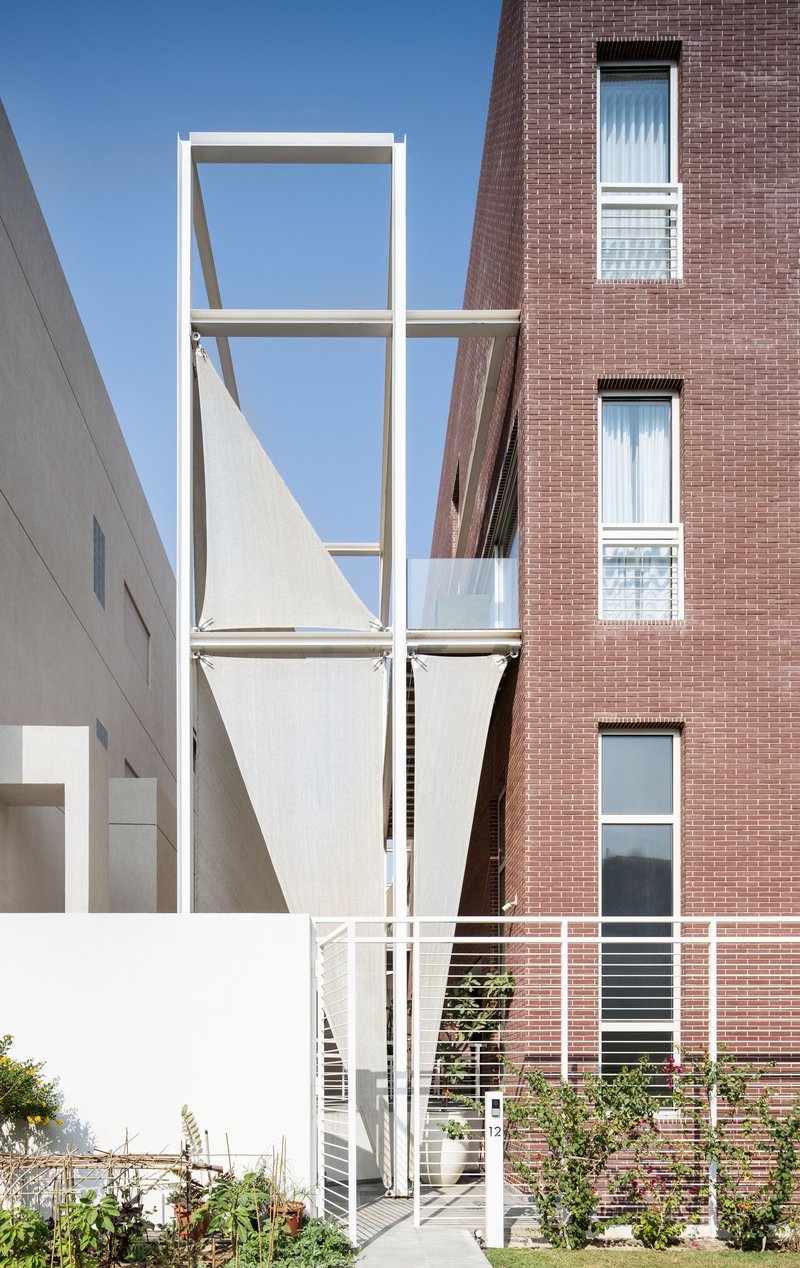
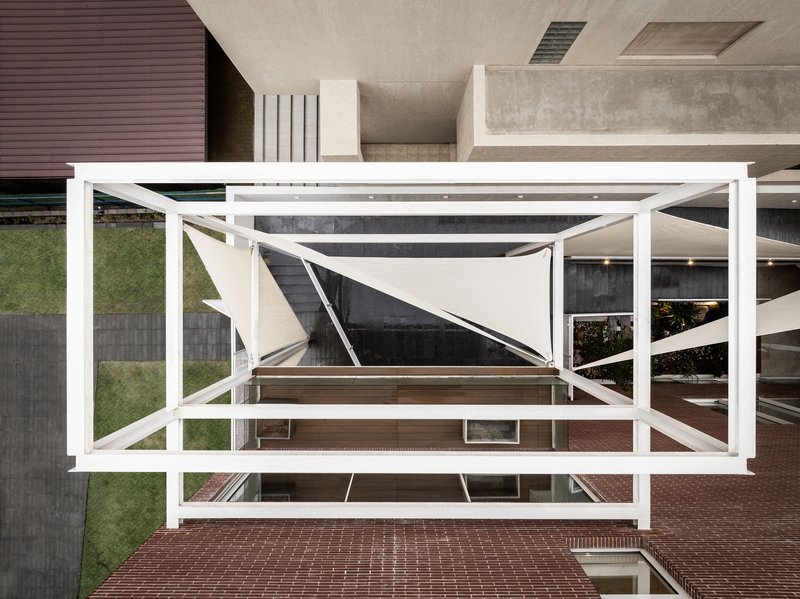
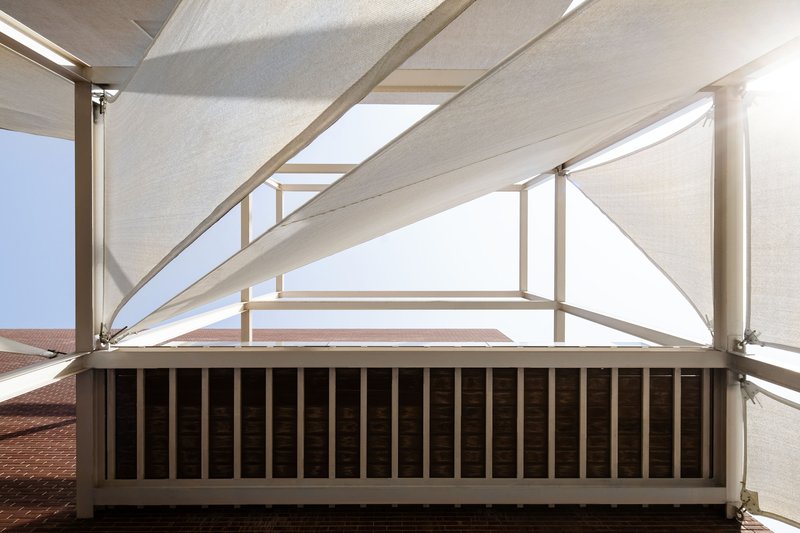
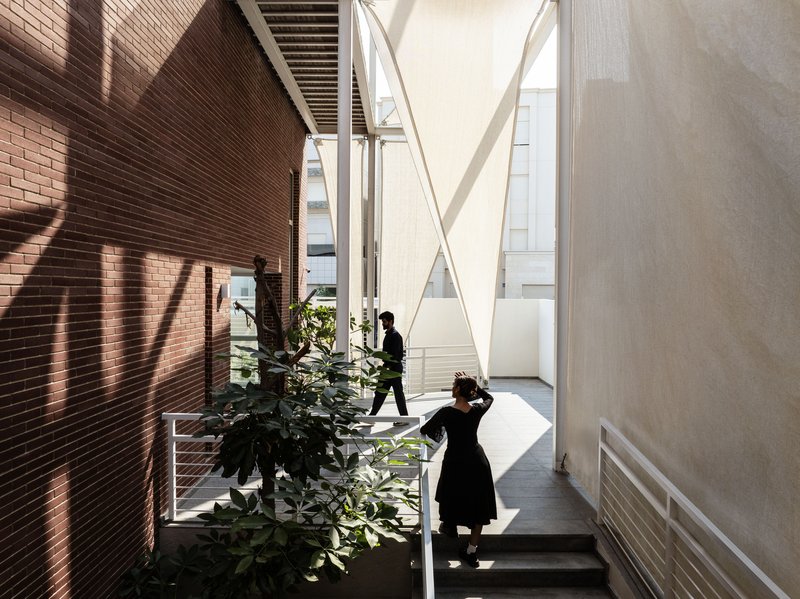
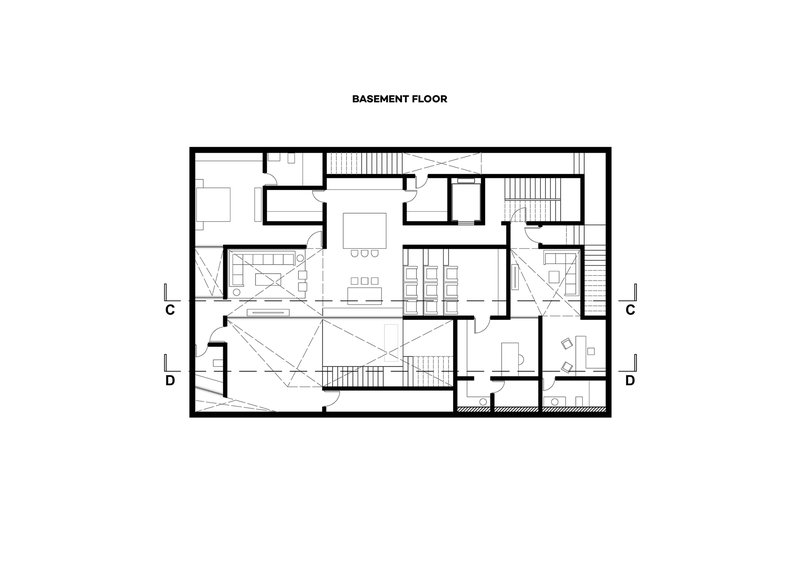
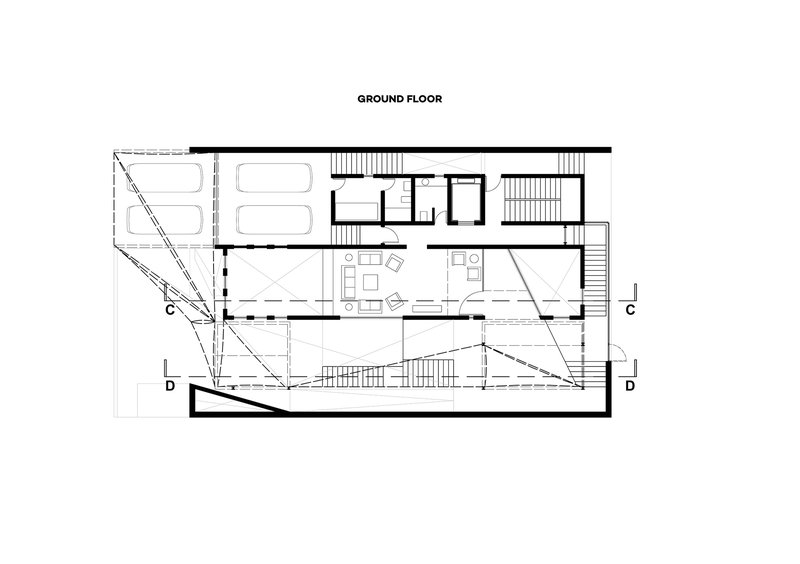
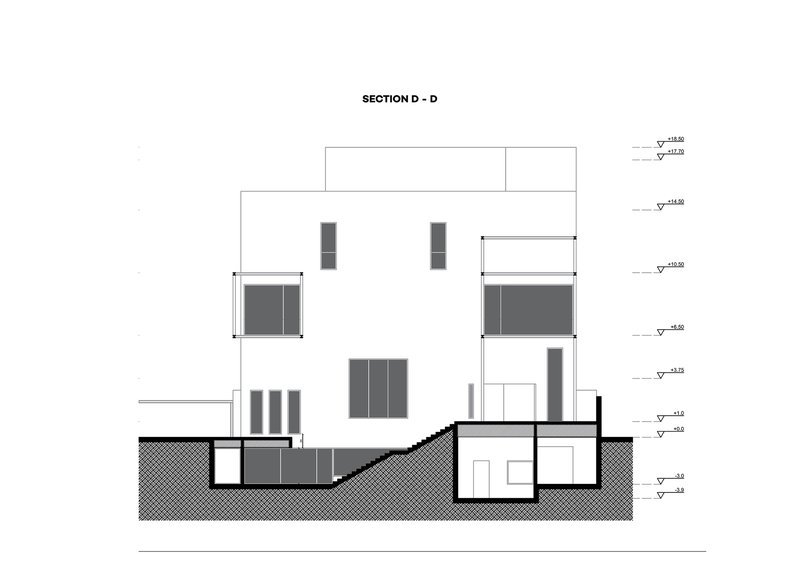
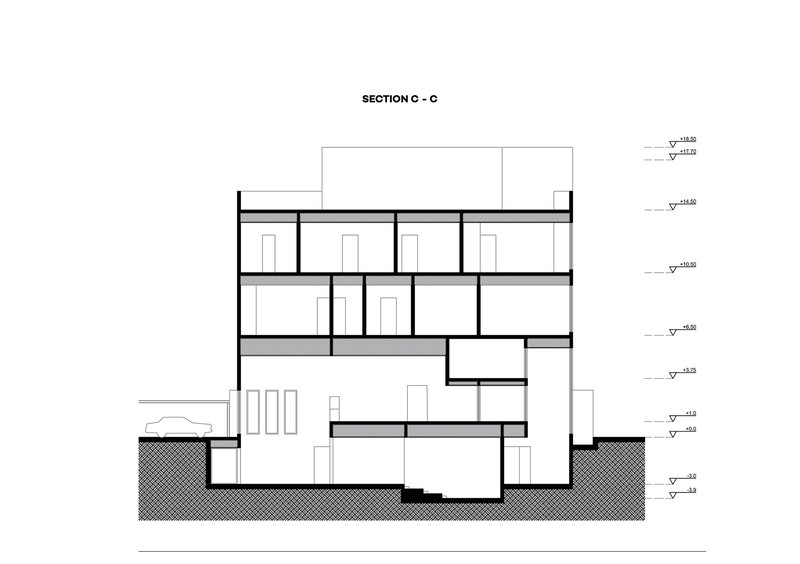
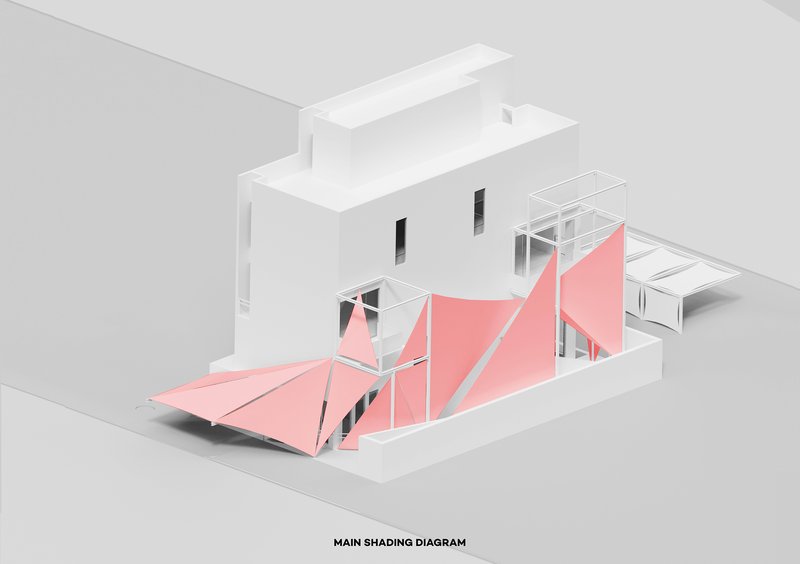
As one approaches the east facade, a gentle whisper of intrigue beckons. Here, a veil-like apparatus envelops the structure, its presence a guardian of the sunken courtyard and the subterranean 'Great Room.' This ethereal shroud, composed of interlocking triangular shades, is not merely a barrier but a mediator, negotiating the entry of natural light with the finesse of a seasoned diplomat. Sunlight filters through, casting an ever-changing tapestry of dappled light upon the living spaces below, a testament to the artful choreography of design and nature.
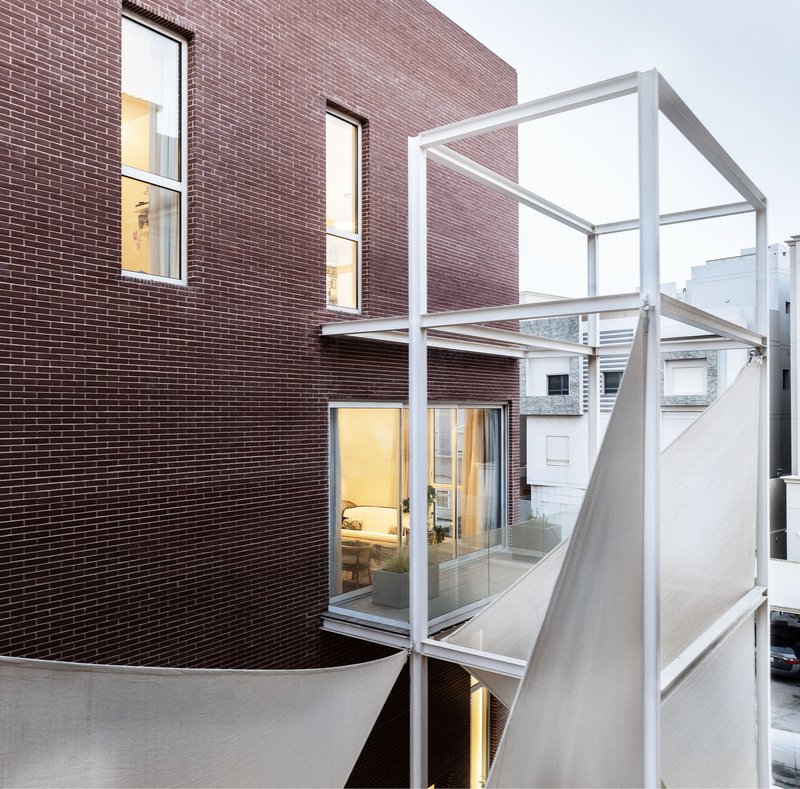
The Shade House is more than an abode; it is an exploration of spatial philosophy, a testament to the delicate art of balancing opposites. The architects have deftly woven a narrative in which light, often a harbinger of exposure, becomes an ally in the quest for seclusion. It is a parable in which privacy is not compromised but rather enhanced by the judicious manipulation of light and shadow.
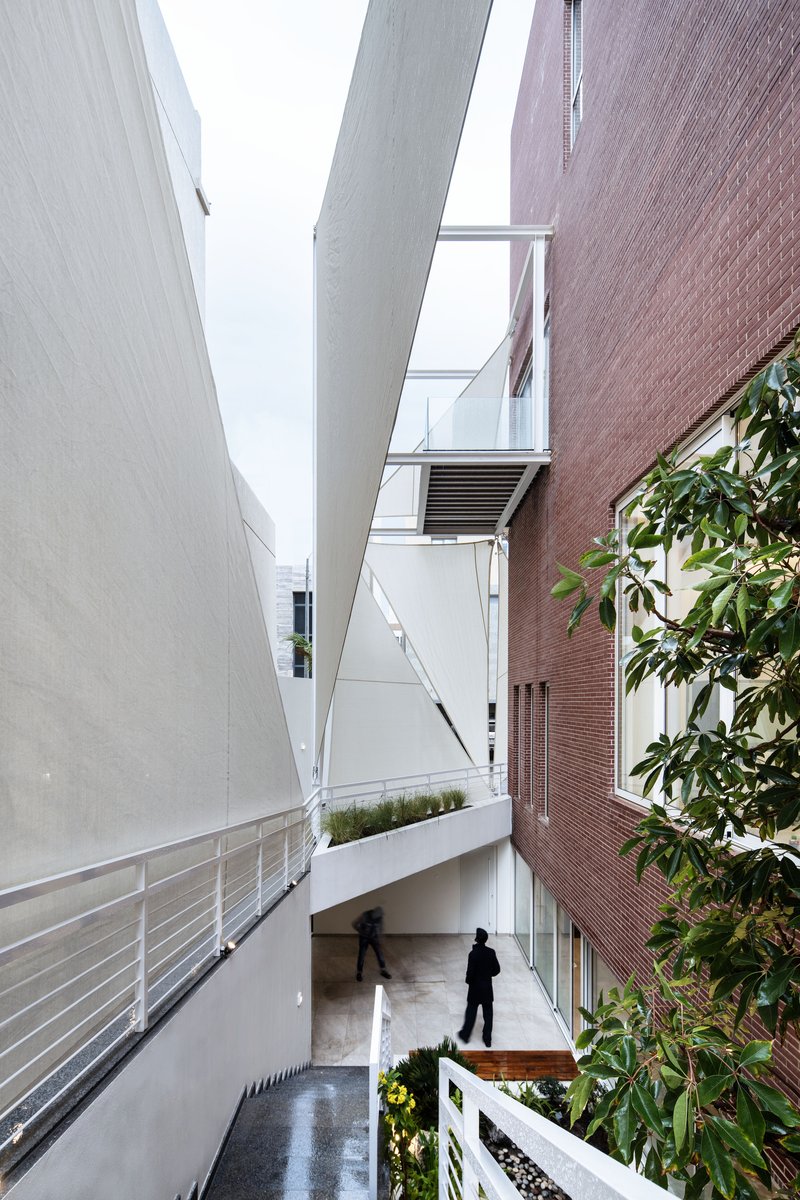
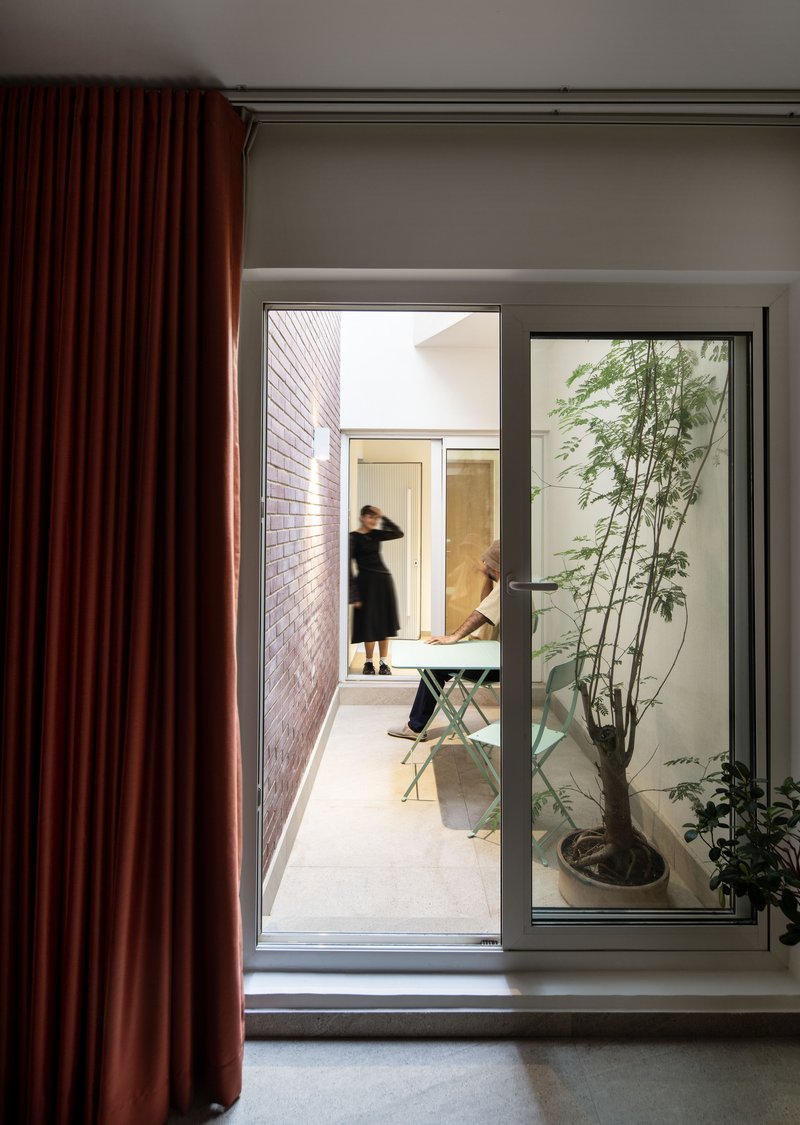
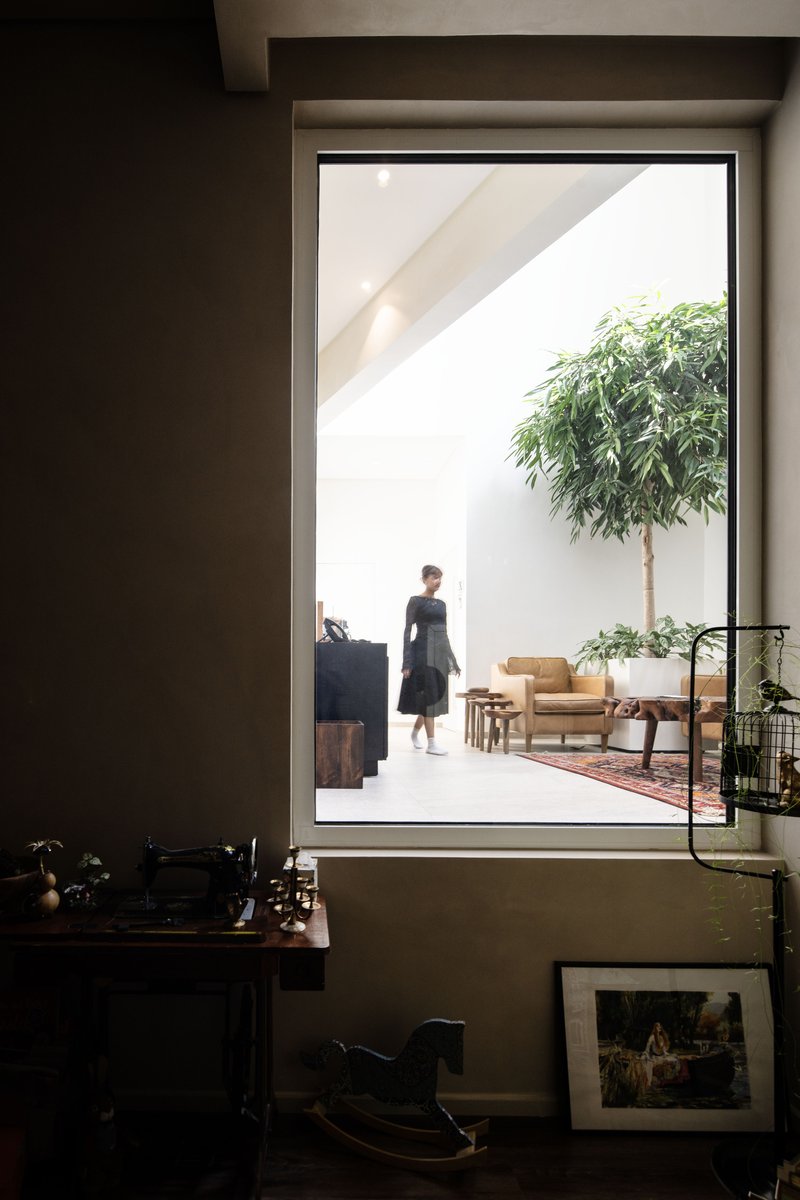
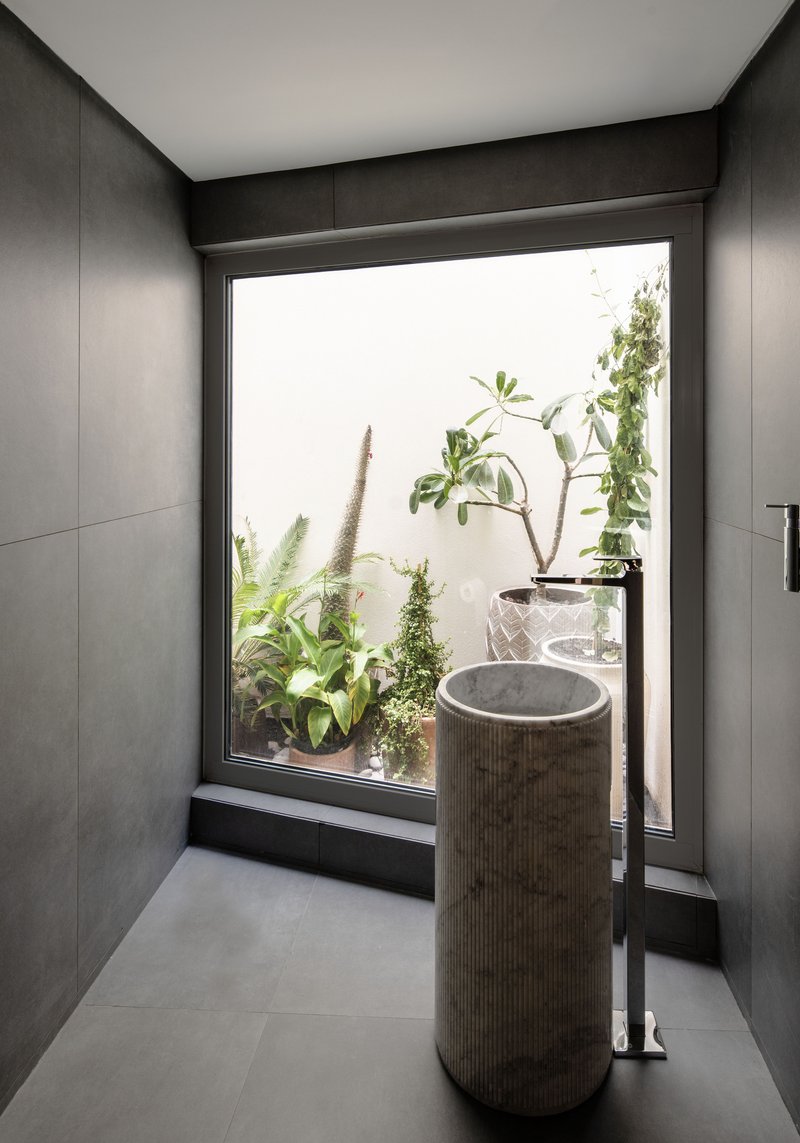
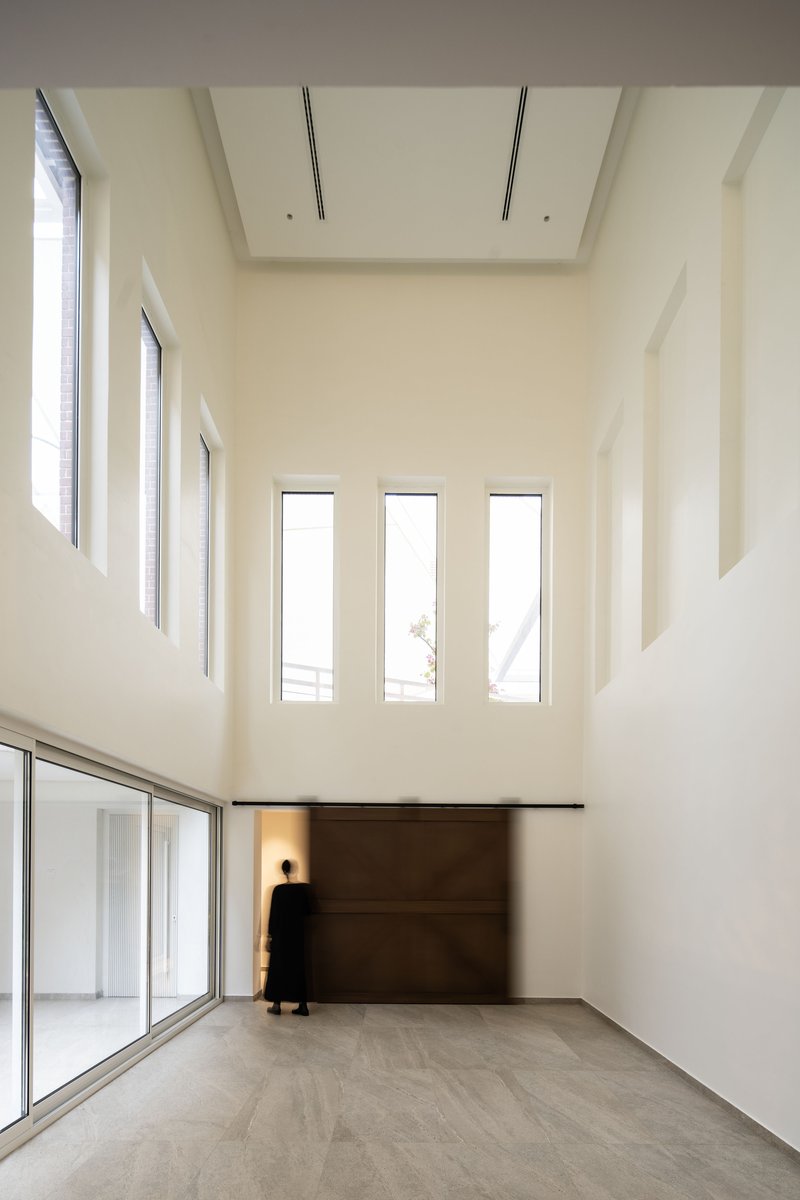
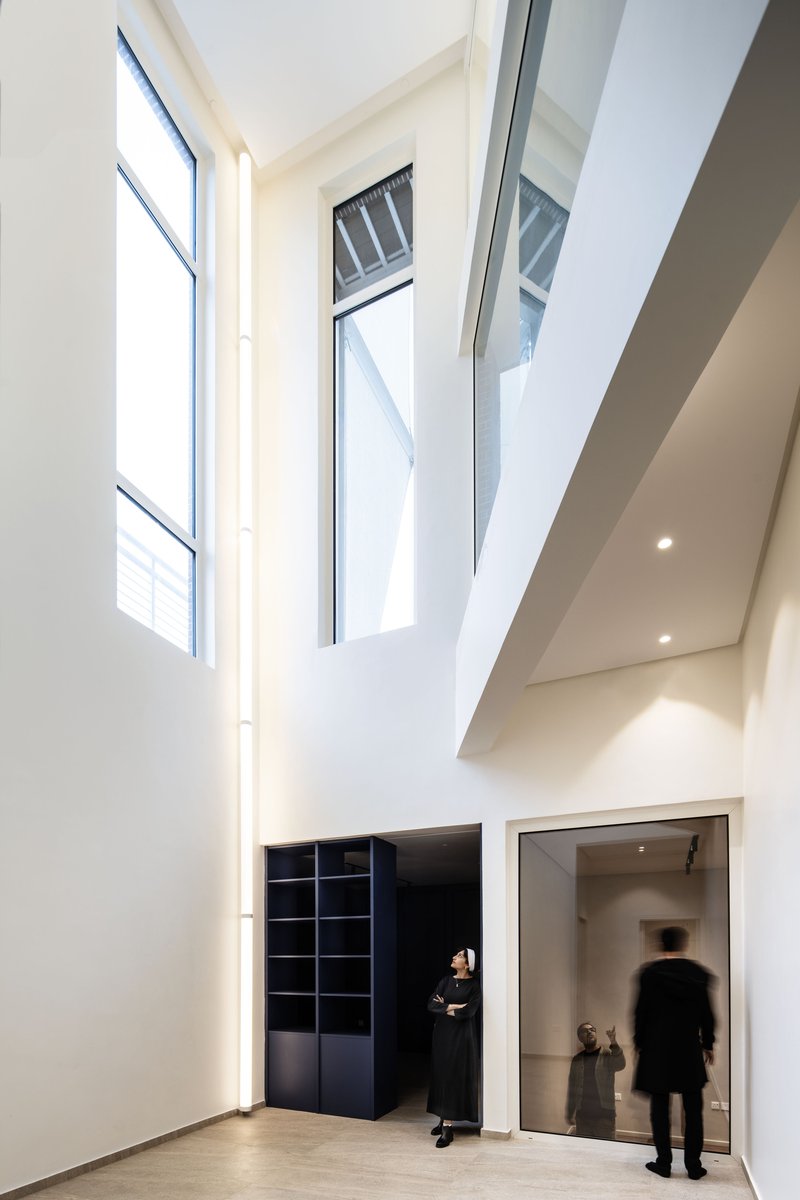
Within the interior, the experience is one of profound tranquility. The 'Great Room,' a subterranean sanctuary, is imbued with a sense of introspection and calm. Here, the interplay of light creates a dynamic ambiance, with the shifting patterns of illumination serving as a gentle reminder of the passage of time. The materials, carefully selected for their tactile allure, invite touch and contemplation. Wood, stone, and glass converge in a harmonious dialogue, their textures and tones resonating with the natural world beyond.
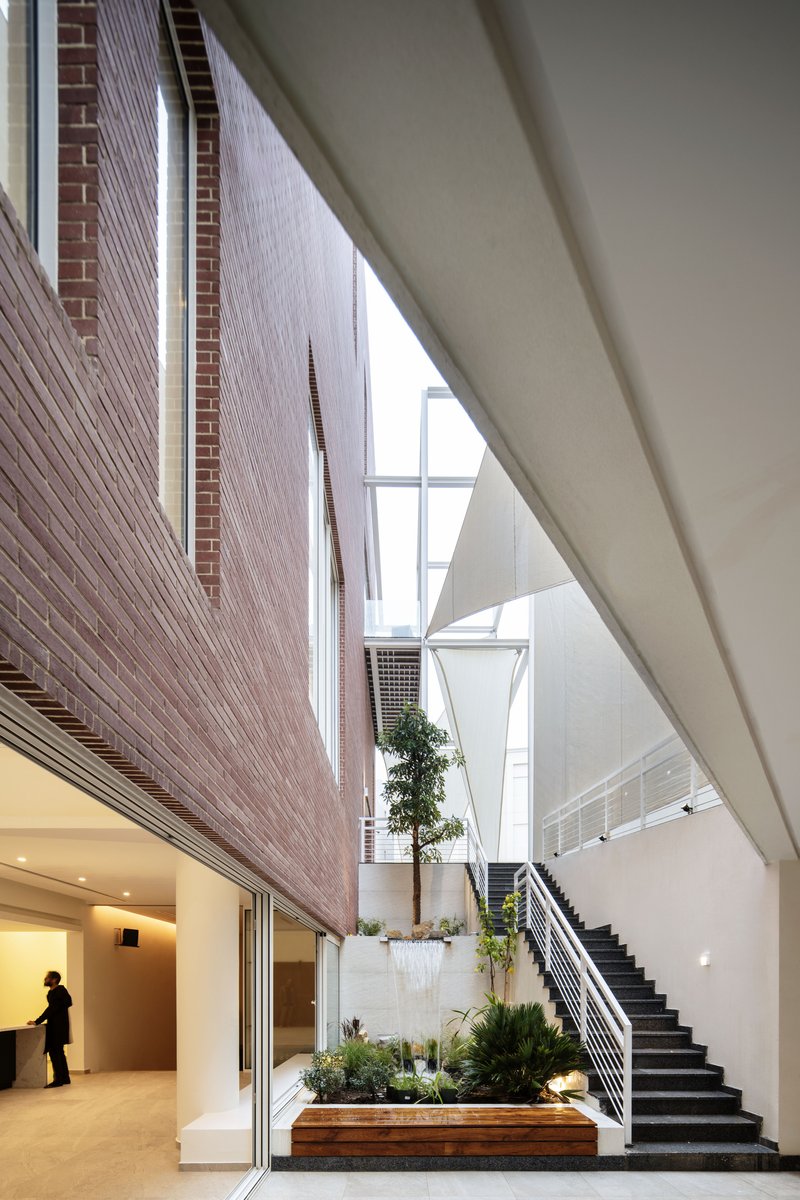
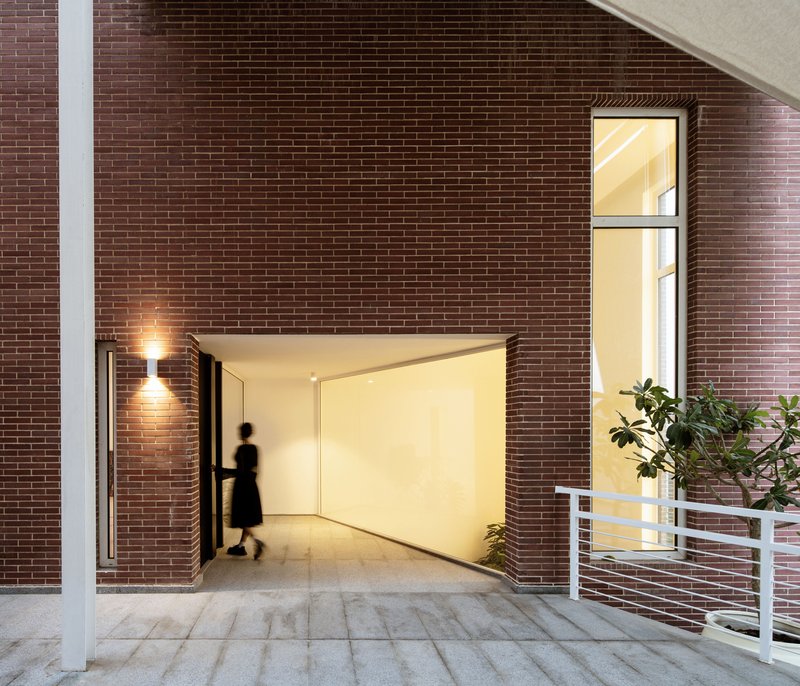
As the day yields to dusk, the Shade House transforms, its character evolving in response to the waning light. The veil, once a filter of daylight, becomes a lantern, its apertures glowing softly, casting a warm, inviting glow that envelopes the outdoor living spaces. This metamorphosis is a celebration of the ephemeral, a tribute to the beauty inherent in change.
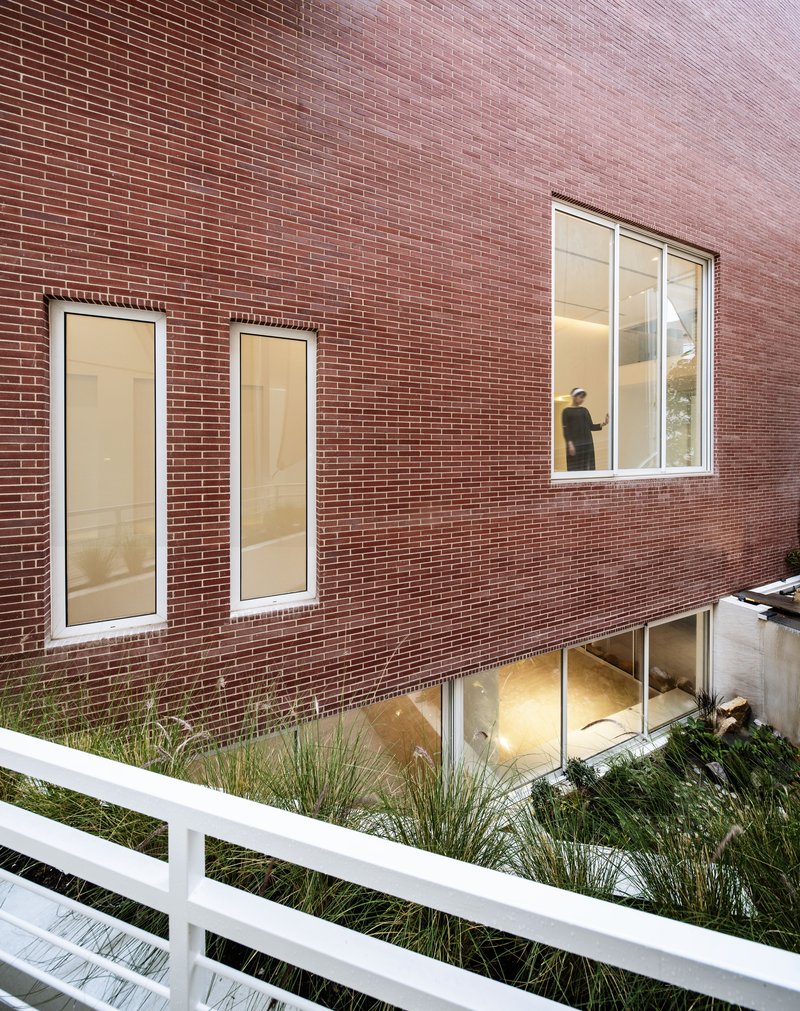
The Shade House stands as a testament to the power of architectural design to transcend the mundane, offering not just shelter but an experience of profound connection with the elements. It is a sanctuary where the boundaries between inside and outside blur, where privacy and illumination coexist in a delicate equilibrium. In this space, the inhabitants are not mere occupants but participants in a living work of art.
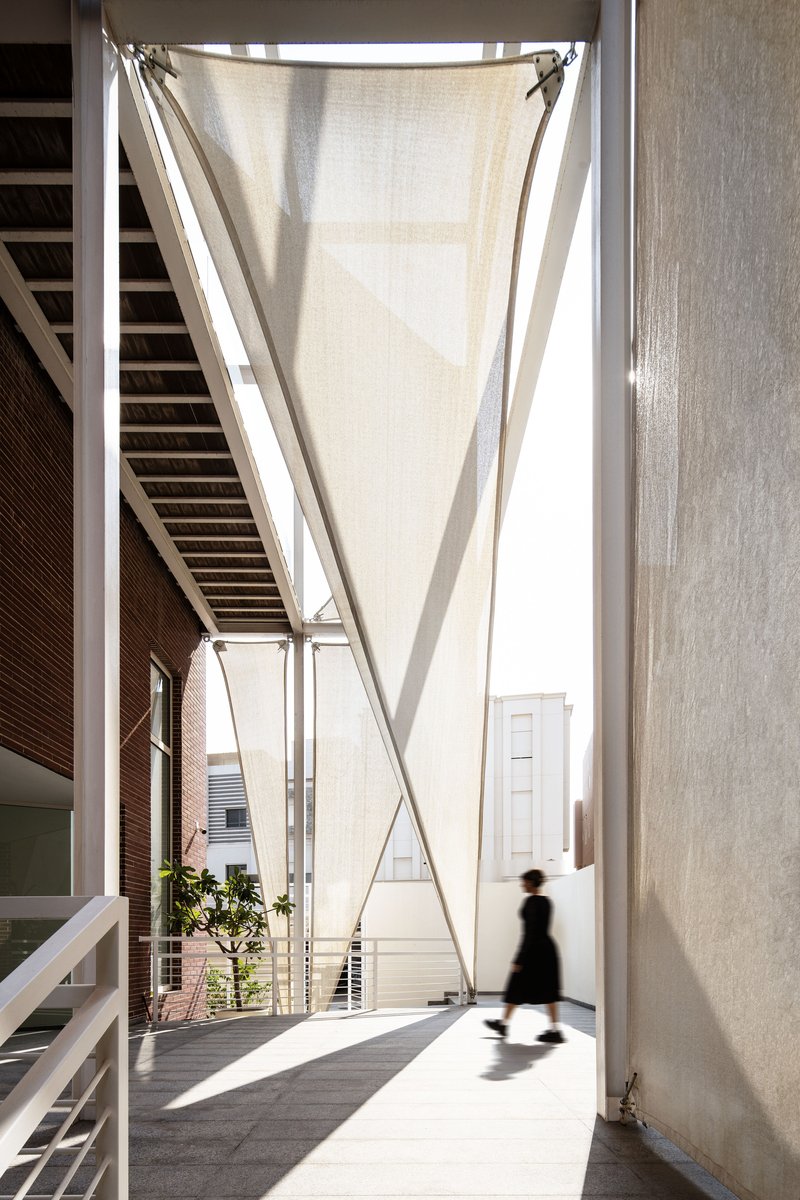
In the end, the Shade House is a reminder that architecture, at its best, is a reflection of the human condition. It invites us to contemplate our relationship with space, to embrace the dualities of light and dark, openness and seclusion. It challenges us to see the beauty in balance and to find solace in the interplay of contrasts.