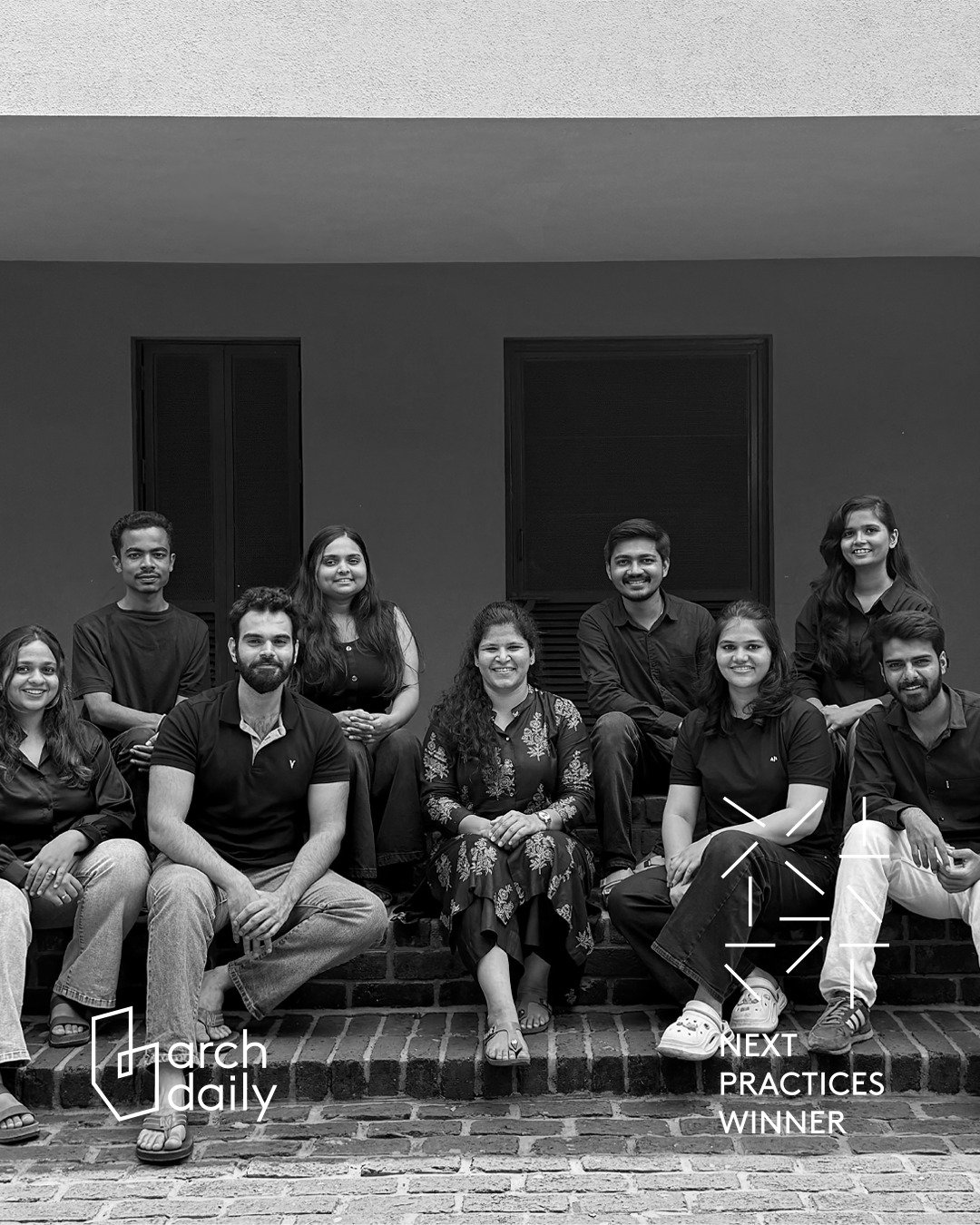
In the sunlit landscapes of Maharashtra, India, a quiet revolution in architectural practice unfolds. At the heart of this transformation is pk_iNCEPTiON, a studio that has ingeniously redefined the boundaries of space and time through a philosophy that transcends mere form. Celebrated as one of the winners of the ArchDaily 2025 Next Practices Awards, pk_iNCEPTiON channels its creative energies into projects that range from rural schools to public buildings, all while emphasizing the nuanced choreography of spatial organization and adaptability.
The studio does not commence with the rigidity of form, but with the fluidity of human existence: the rhythms of life, the subtle interplay of daily routines, and the spaces where these narratives unfold. This approach manifests itself in a delicate balance between the built and the unbuilt, where architecture serves as a gentle facilitator of life rather than a static monument.
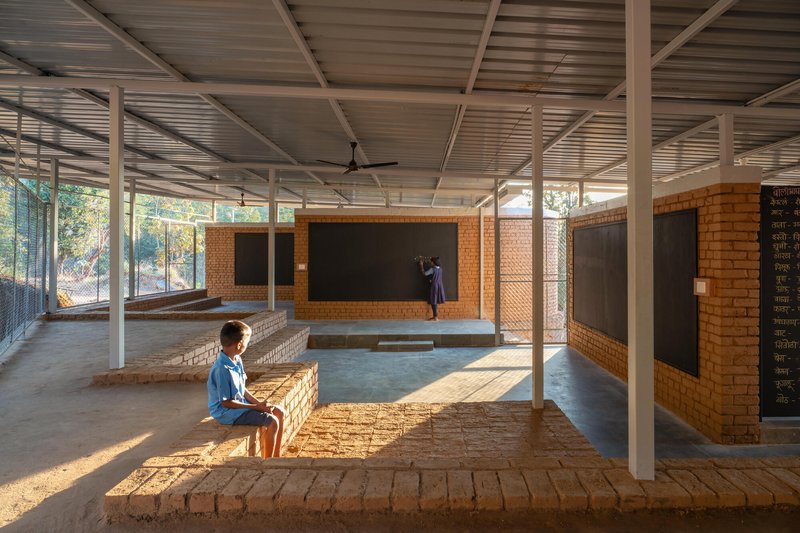
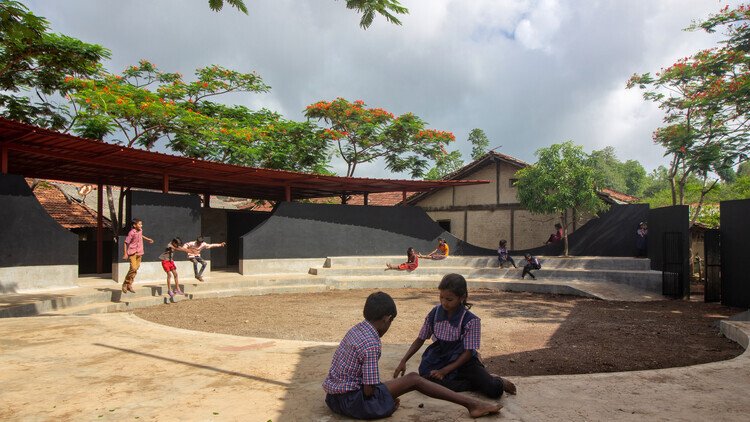
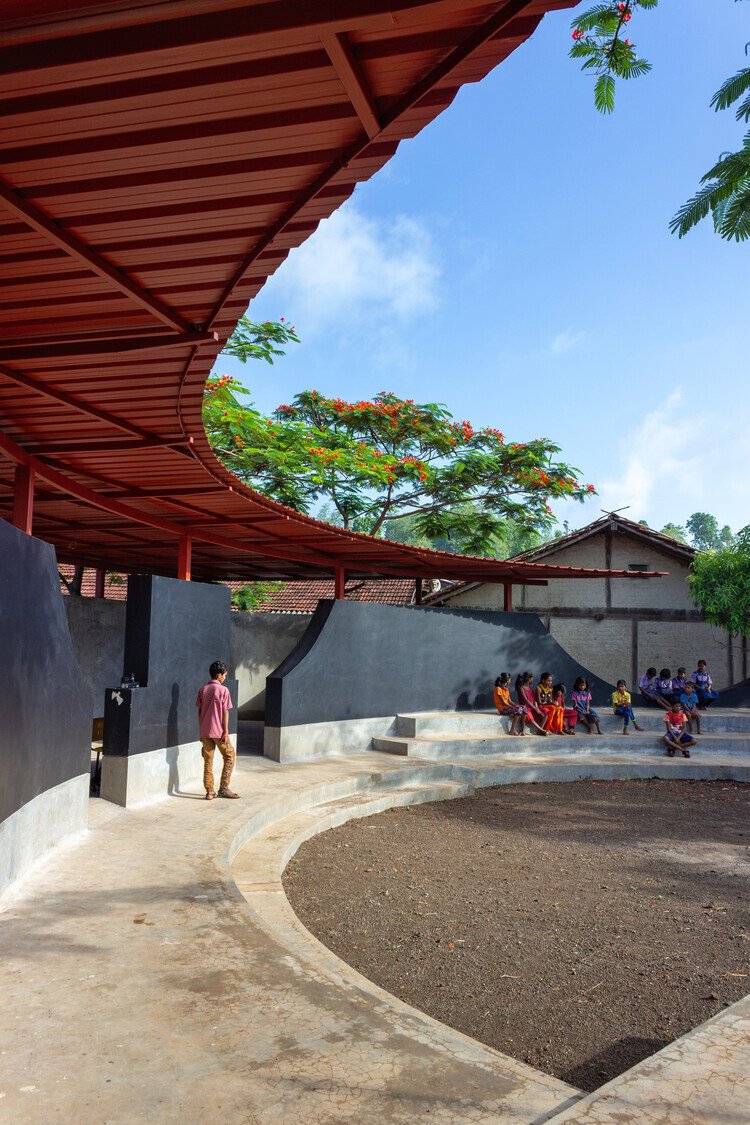
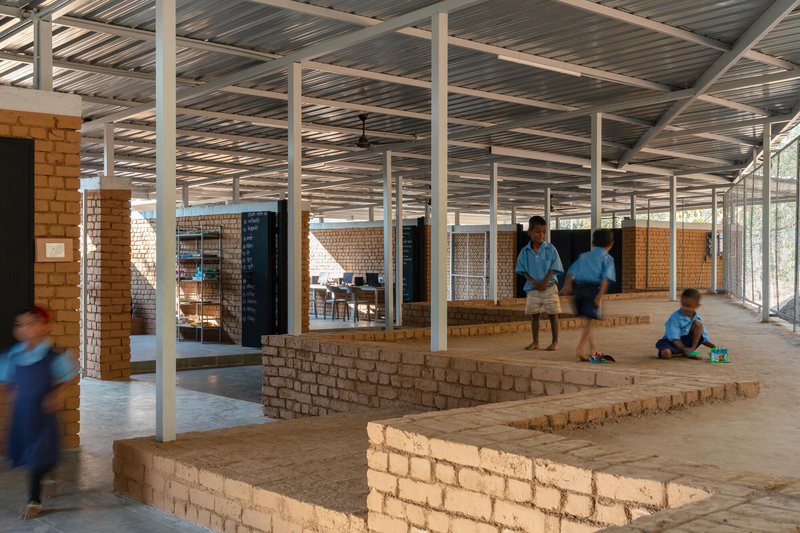
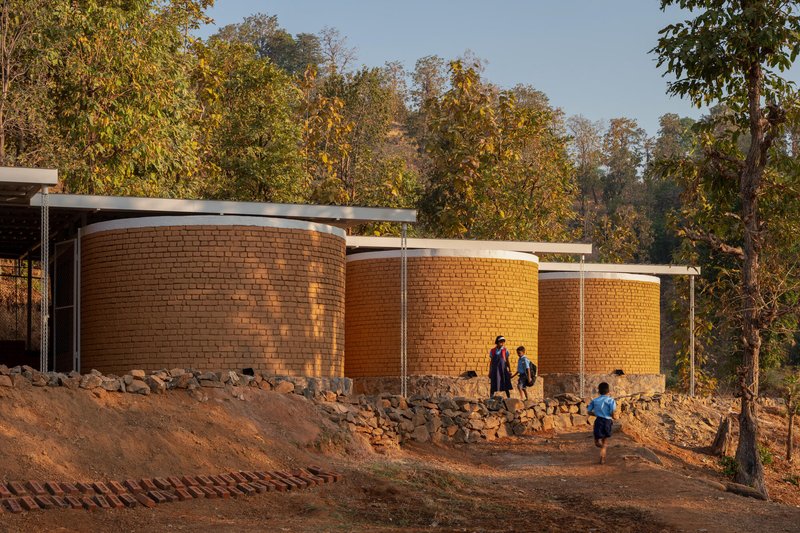
In the remote farming settlement of Hiwali, nestled within the Satmala range, the school's design eschews the traditional language of institutional architecture. Instead, it merges seamlessly with the terraced farmland, sculpted by the natural forces of wind and water, and attuned to the scale of a child's world. A protective water moat encircles the site, safeguarding it from mountain runoff, while a zigzag plinth orchestrates the movement across the sloping land. This integration of circulation, seating, and gathering areas into a singular surface allows learning to extend beyond the confines of enclosed rooms, weaving into the daily flow of life through the building.
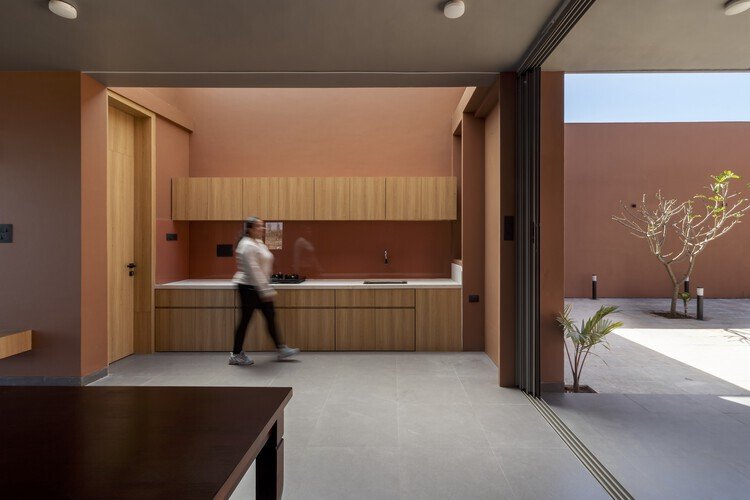
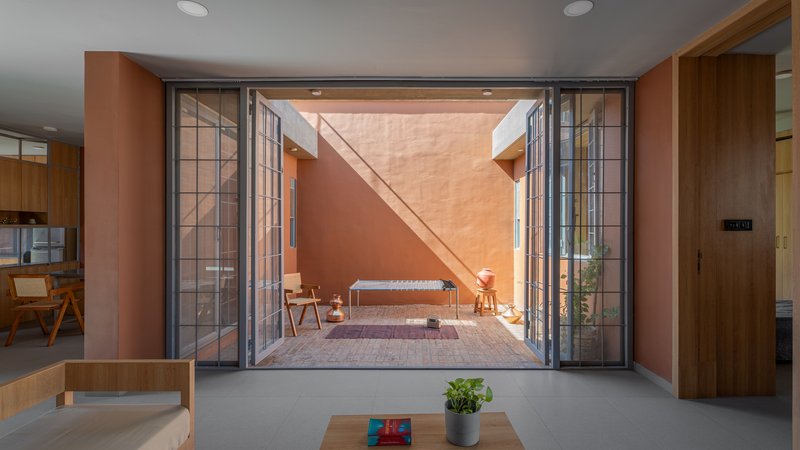
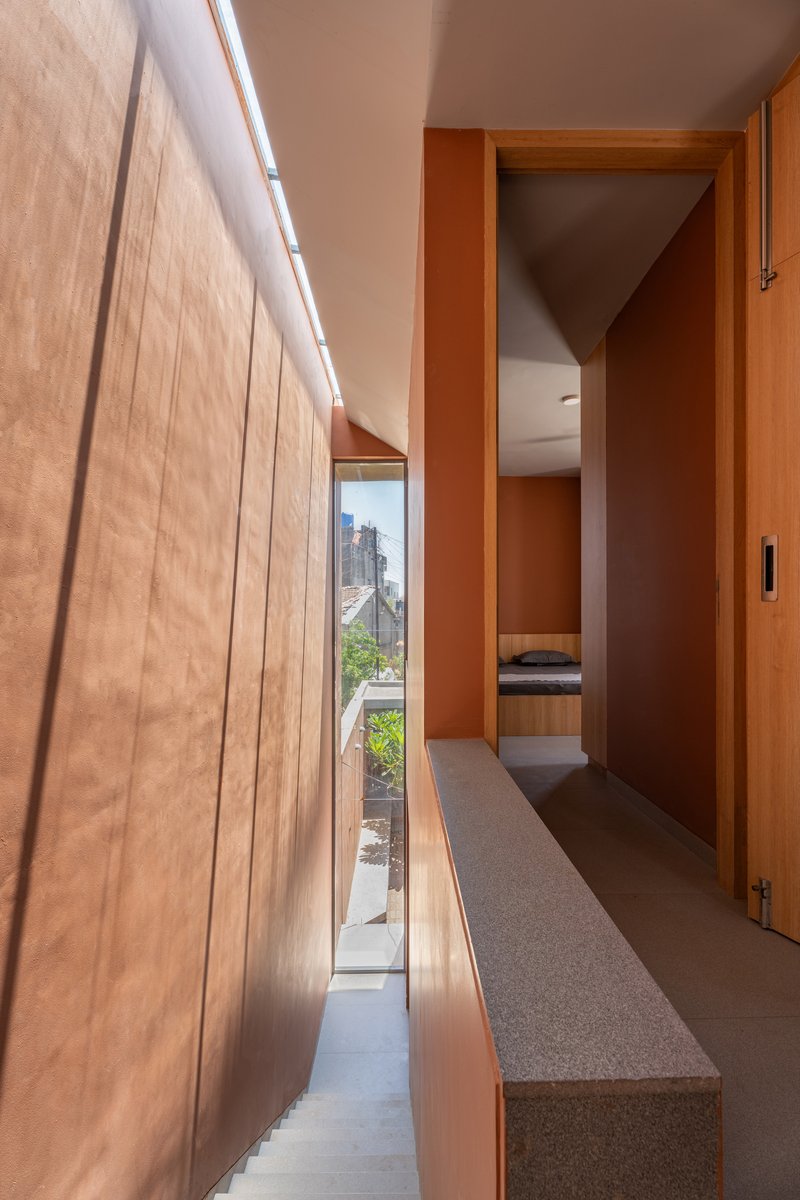
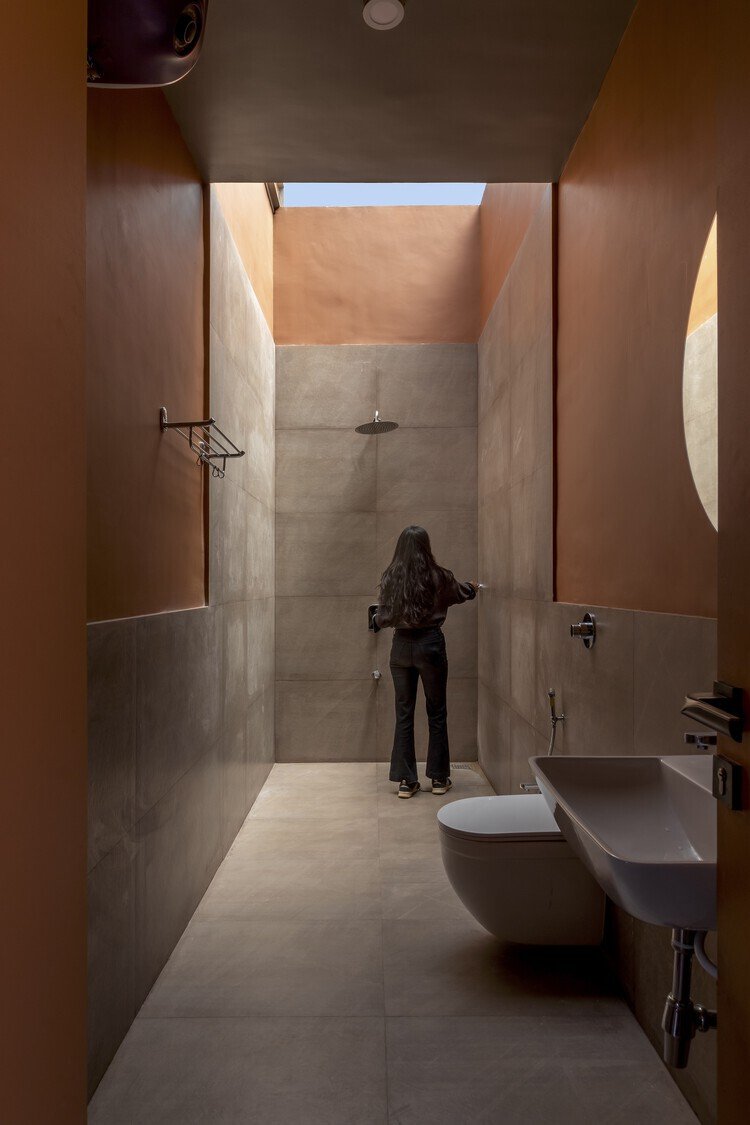
This same sensitivity is mirrored in the studio's residential projects. The 'House of Overlaps' in Vani, a semi-rural town, is an exquisite testament to the interplay of light and air, orchestrated around a series of open-to-sky voids that modulate privacy and social interaction. The street-facing verandah doubles as an informal office and a living space, gracefully bridging the nuances of domestic routines and public engagement. Here, boundaries are not fixed; they are fluid, shifting with the passage of time, acknowledging that domestic life is inherently layered and temporal.
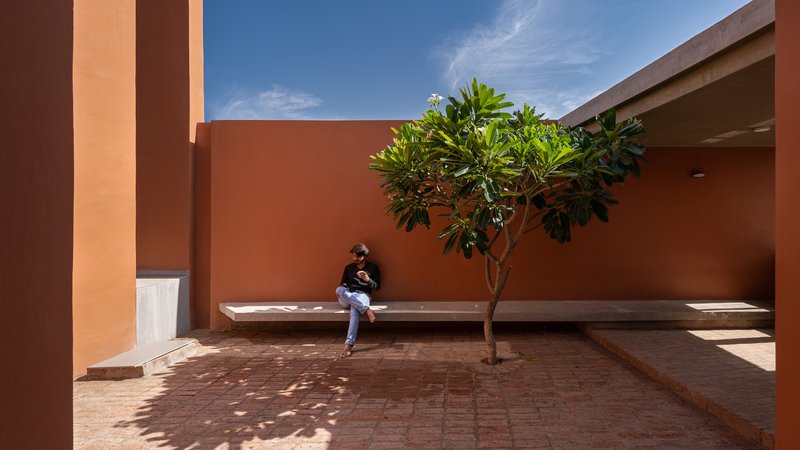
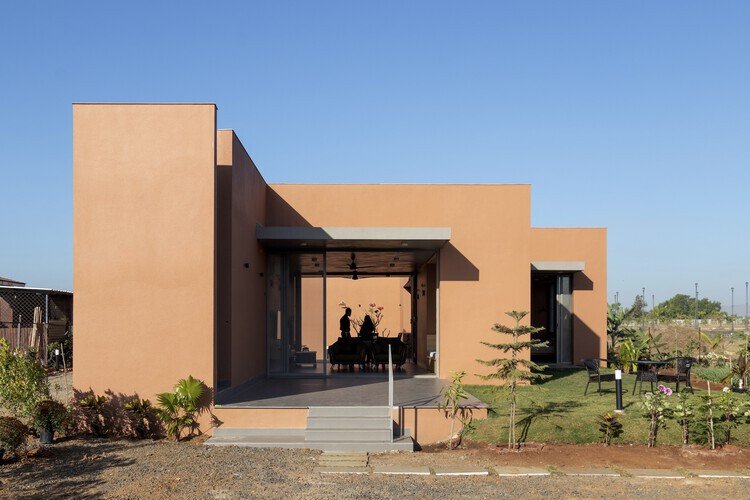
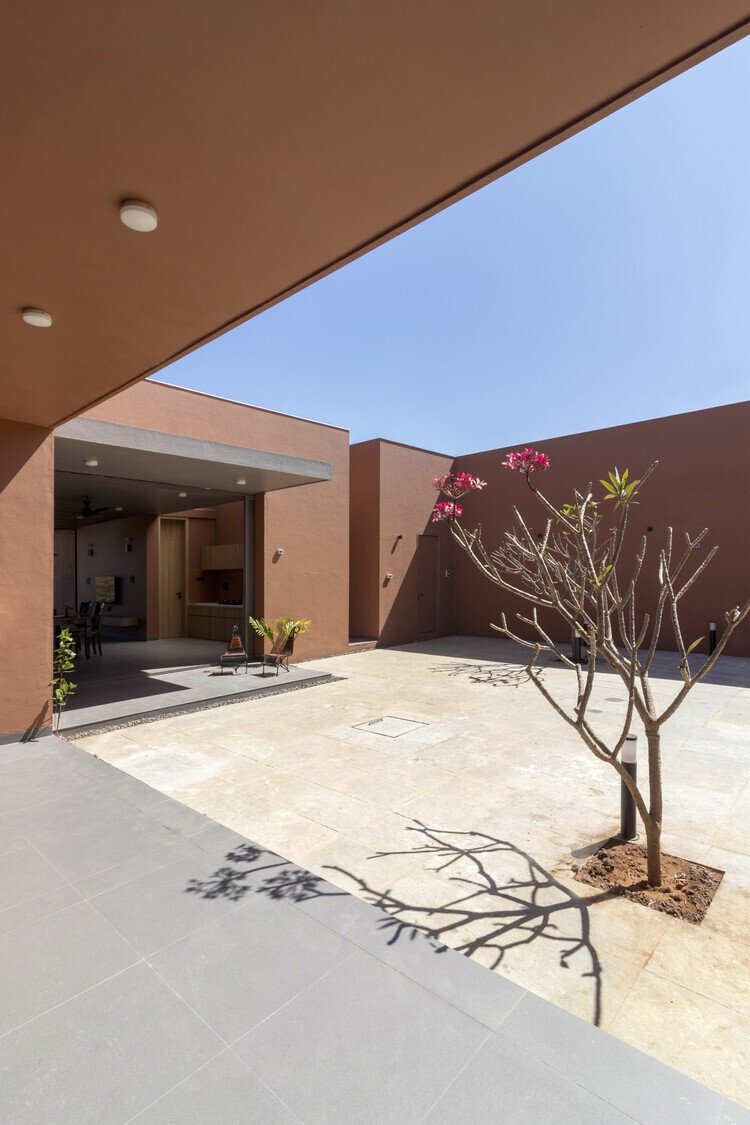
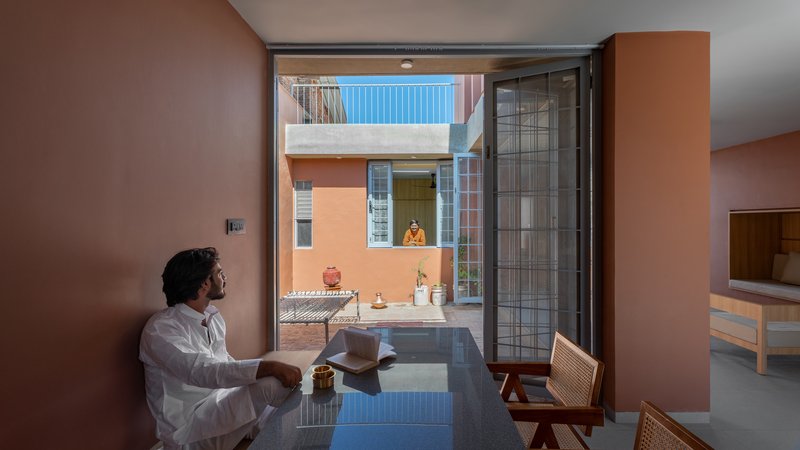
Further exploring this philosophy, 'Void House' embraces the power of subtraction. Situated at the edge of farmland, the house pivots around a central open void, with parallel load-bearing walls that support a floating roof. Movement within the space is deliberately slowed and redirected, guiding one first through an open court before unveiling views of the fields. Shaded verandahs extend the living area outward, maintaining privacy while allowing the dwelling to frame the sky and landscape, preserving its boundaries yet embracing the vastness beyond.
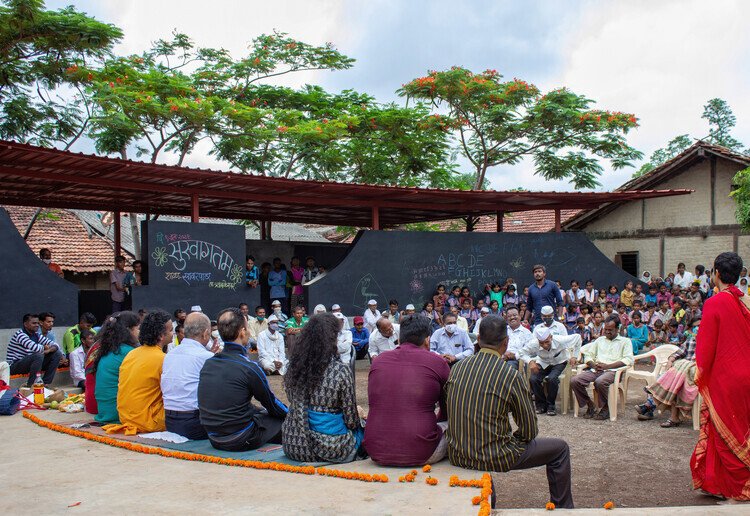
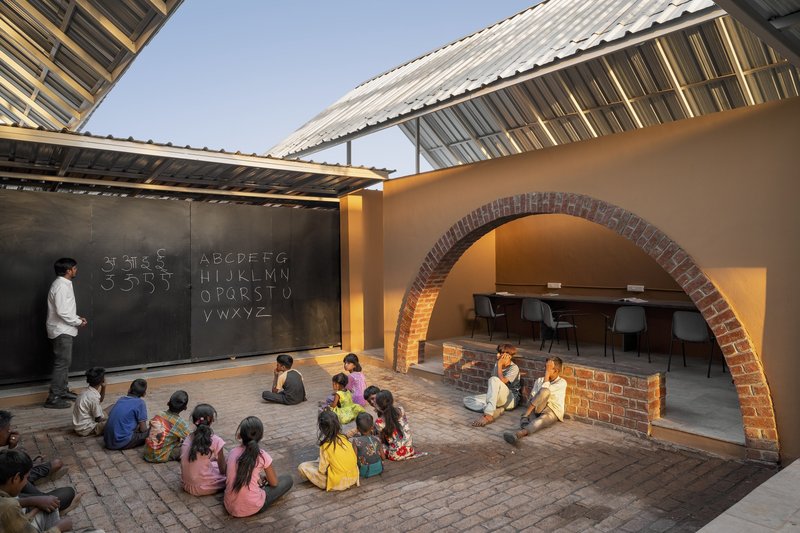
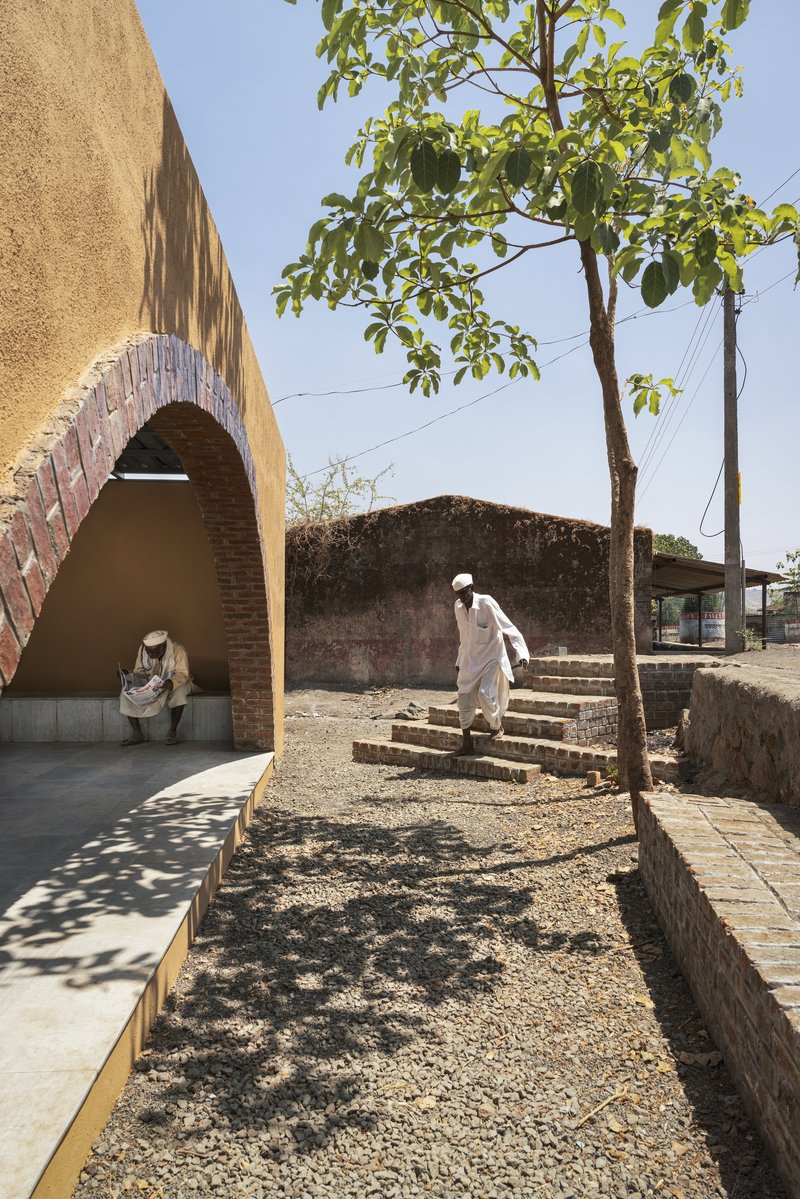
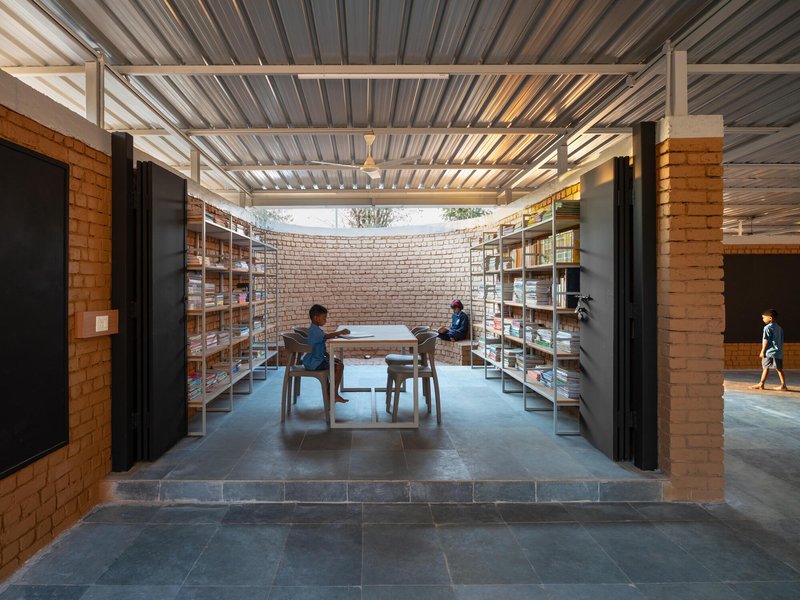
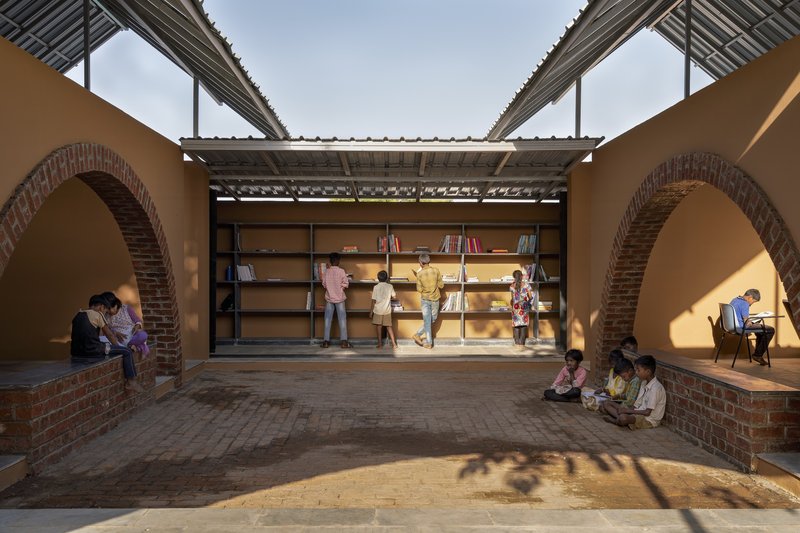
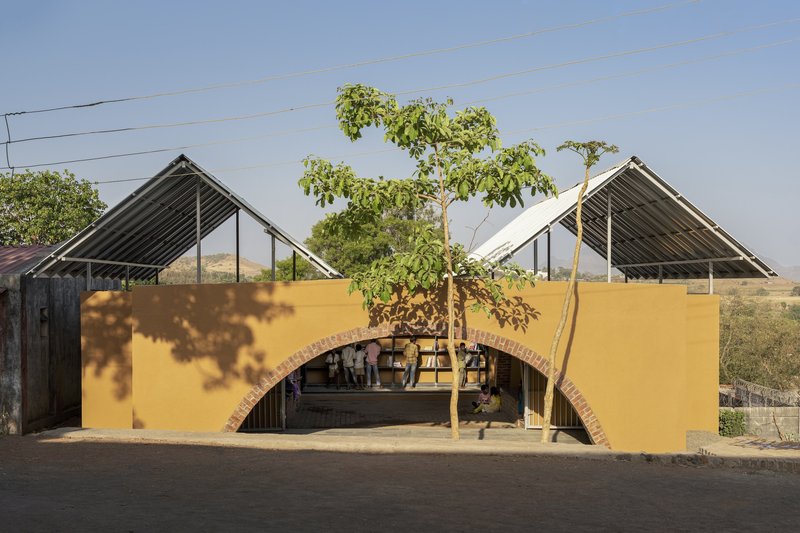
In its public and semi-public endeavors, pk_iNCEPTiON continues to challenge the conventions of architecture. The 'Rural Library' in Kochargaon is a study in participation and flexibility. Organized around a central courtyard, reading rooms and book stacks are arranged as pavilions, inviting curiosity and engagement. Sliding shutters that transform into blackboards enable the space to fluidly shift between a reading room, a classroom, and a communal gathering area. The pragmatic choice of materials, such as load-bearing masonry and local stone, ensures durability and ease of maintenance while reinforcing a philosophy of openness.
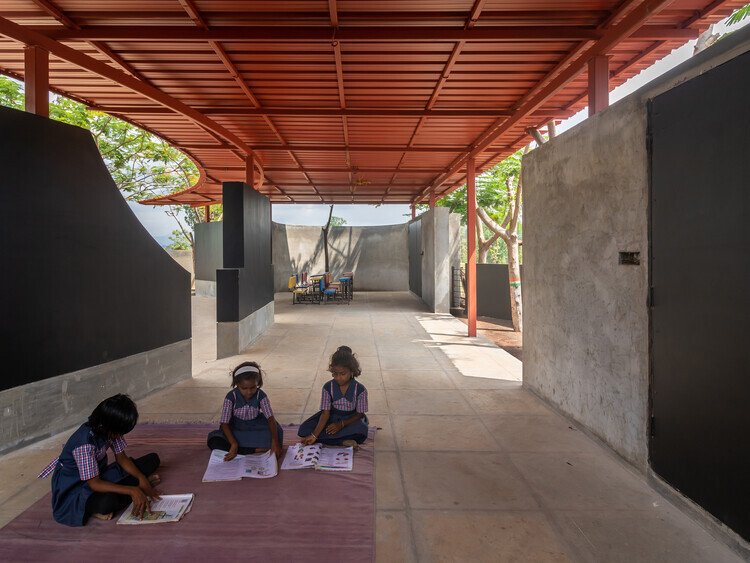
Perhaps the most explicit expression of this participatory ethos is the 'Community Canvas School.' Here, a single continuous curved wall defines the project, serving as a boundary, a classroom surface, and a communal interface. Classrooms, courtyards, and an amphitheater-like plinth are sculpted from this singular gesture, allowing education to transcend traditional barriers and integrate seamlessly into the life of the village. Inverted arches punctuate the wall, fostering visual exchange and shared use, embedding learning within the vibrant tapestry of community life.
Across these diverse projects, pk_iNCEPTiON consistently prioritizes the relationships between spaces over mere formal expression, valuing adaptability over meticulous finishes. Walls transform into surfaces for interaction, courtyards become pivotal organizational elements, and verandahs mediate the delicate balance between interior life and the public realm. Simple structural systems are employed, not for nostalgia, but for their inherent capacity to adapt to change and encourage continuous occupation. Rather than crafting singular architectural statements, the practice constructs environments that remain open to reinterpretation, where architecture becomes a quiet collaborator in the symphony of everyday life.