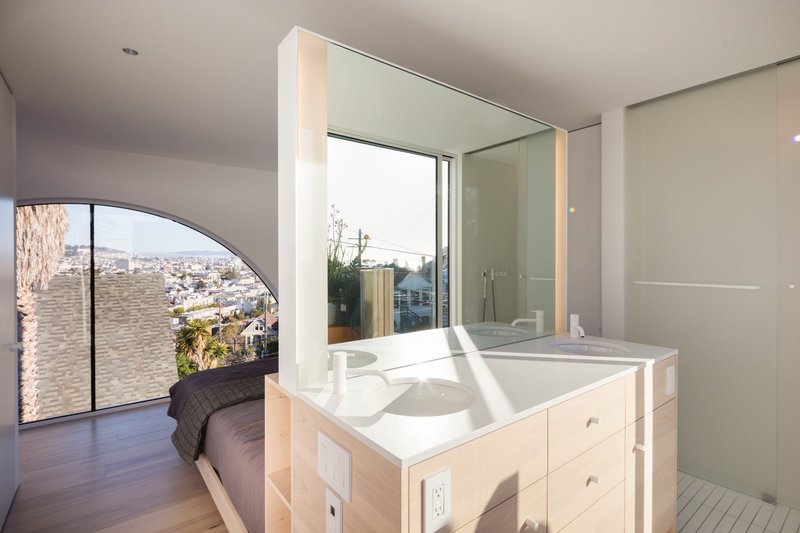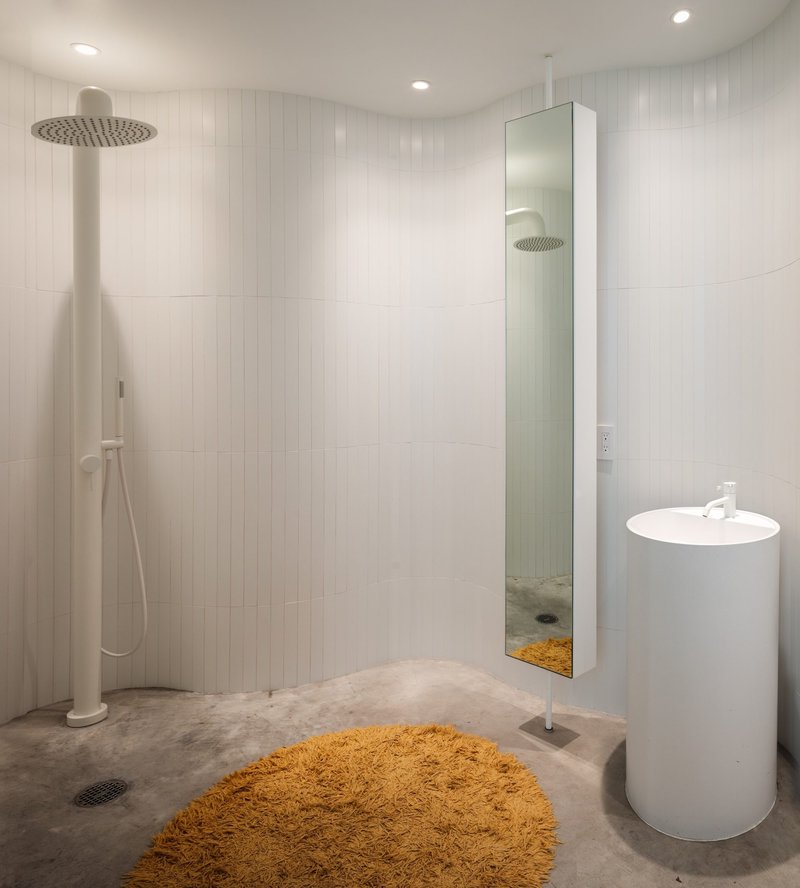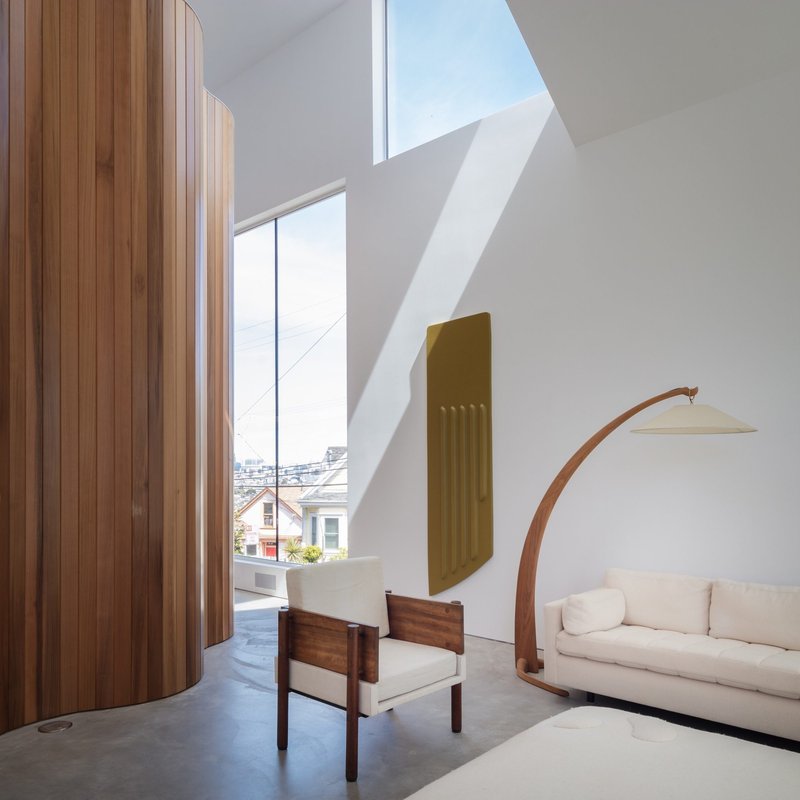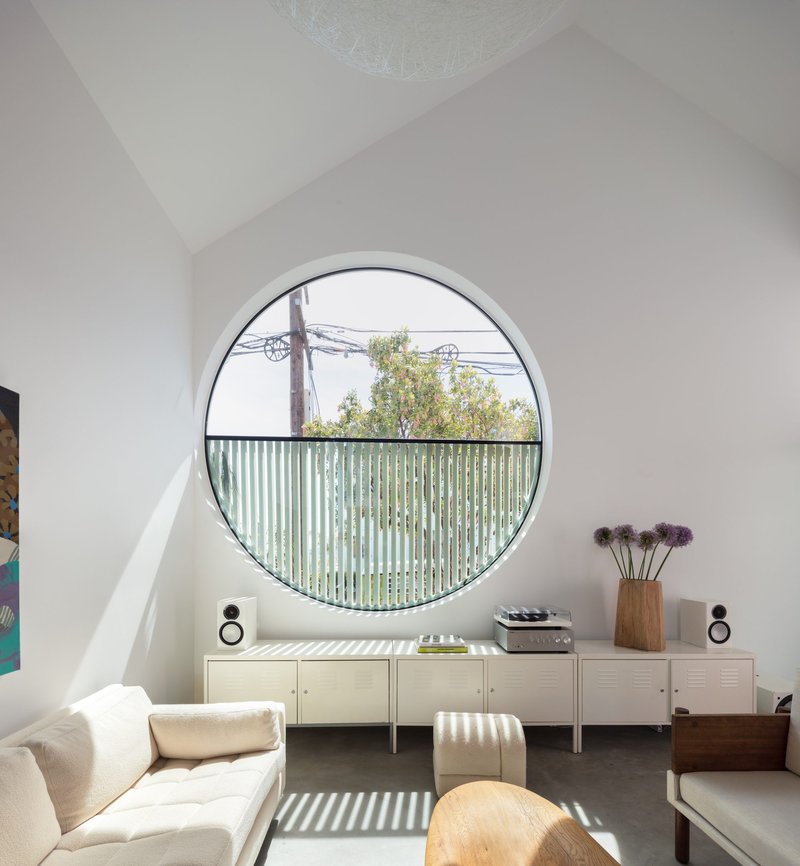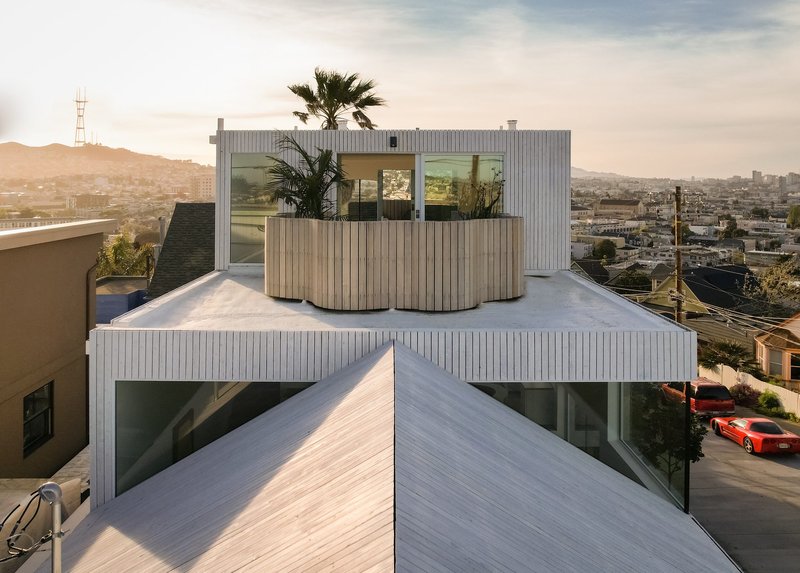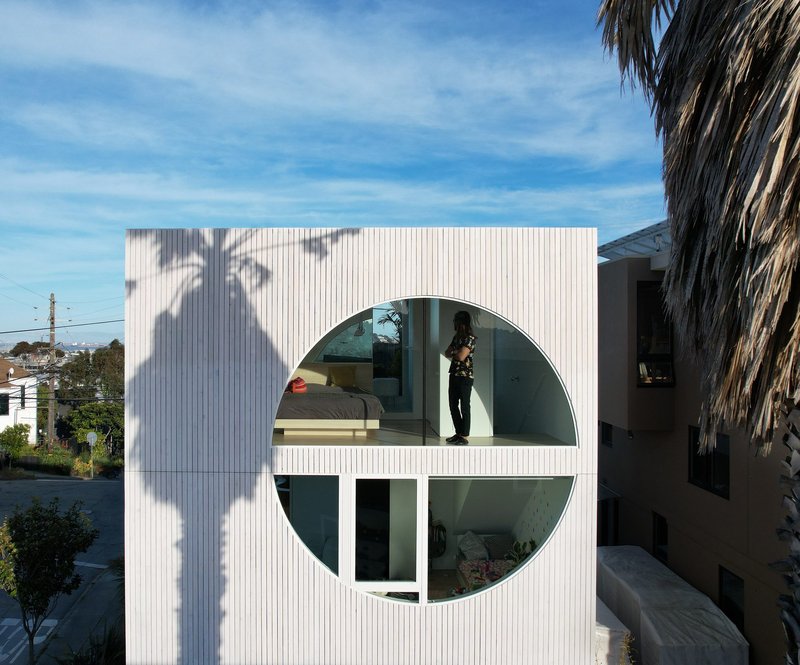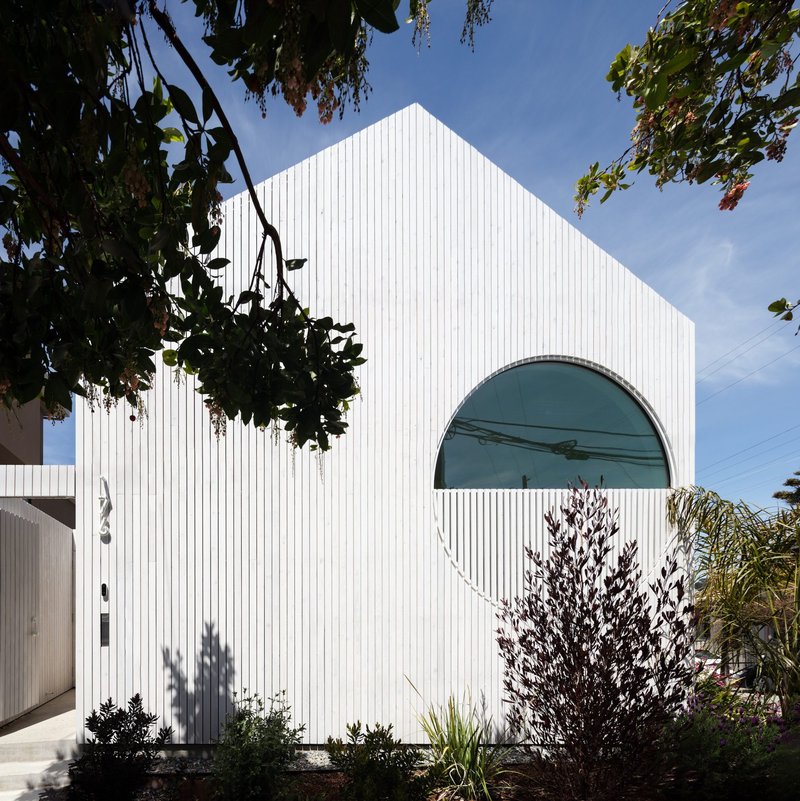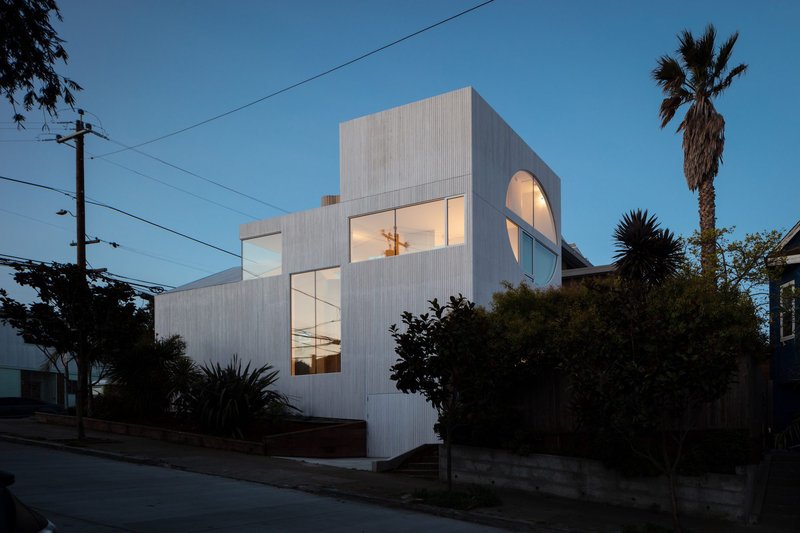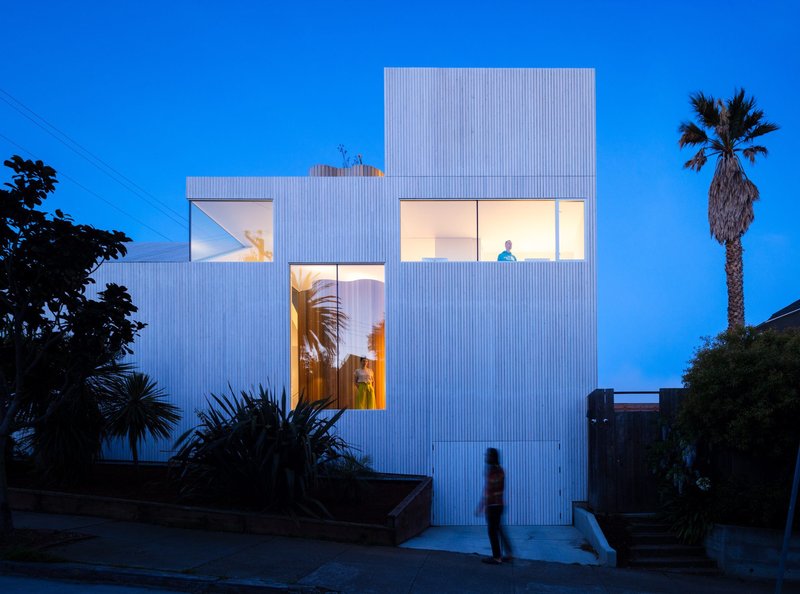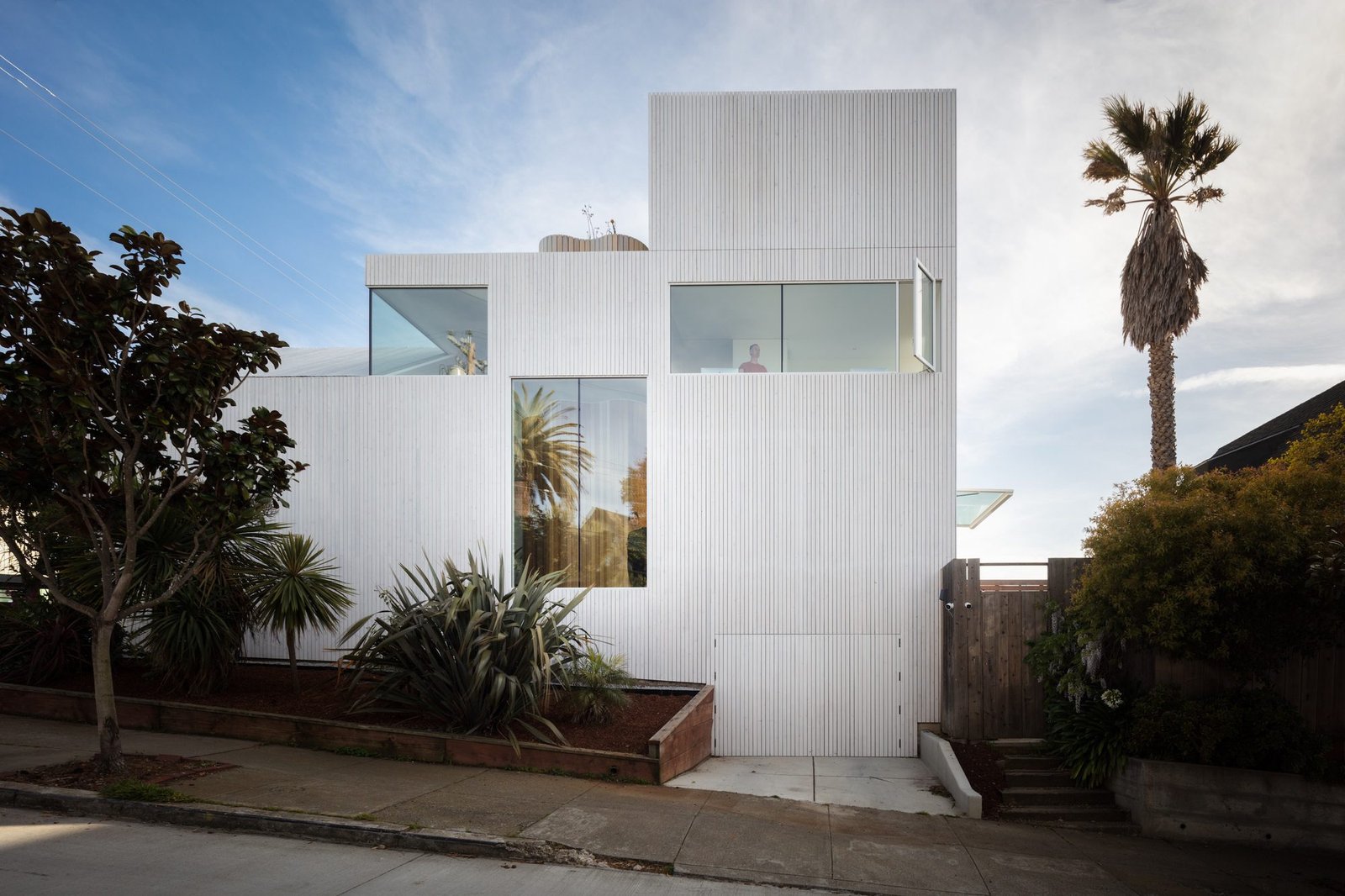
In the heart of San Francisco, where urban tempo meets the whispers of history, lies the Flower House, a testament to the art of reimagining and the philosophy of presence. This dwelling, once a humble corner store, now breathes with a new life, an emblem of adaptive reuse that honors the tapestry of its past while gracefully embracing the future. Craig Steely Architecture has orchestrated a symphony of space, where the old and the new engage in a dialogue as timeless as architecture itself. The Flower House stands not as a monument to what once was, but as a celebration of what can be, a space that invites contemplation and delight.
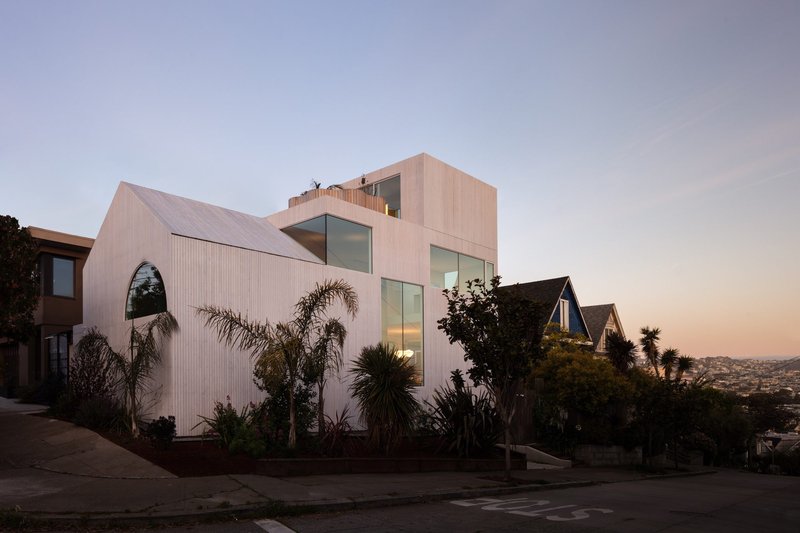
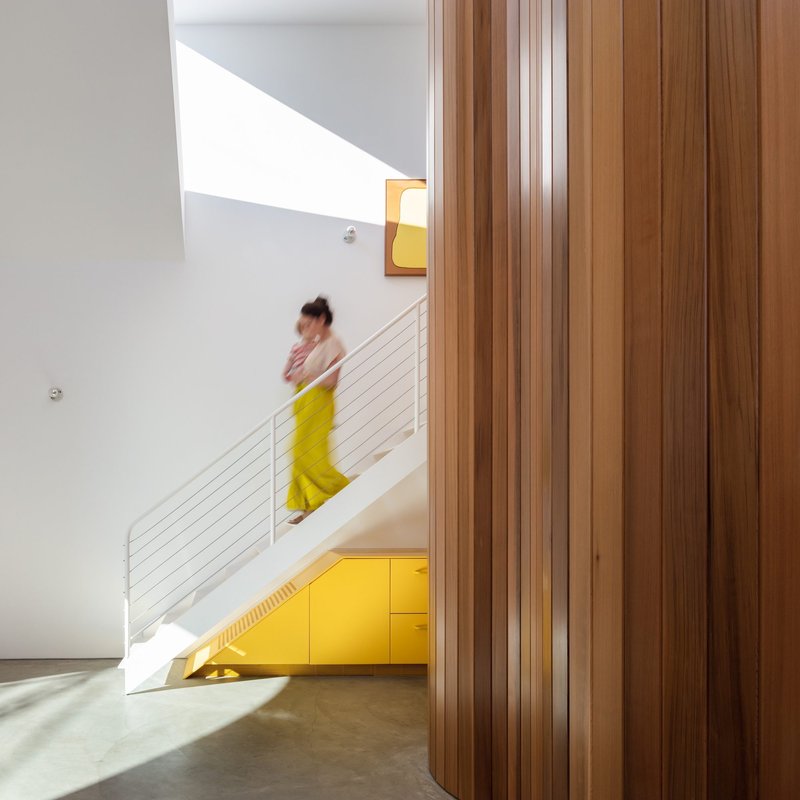
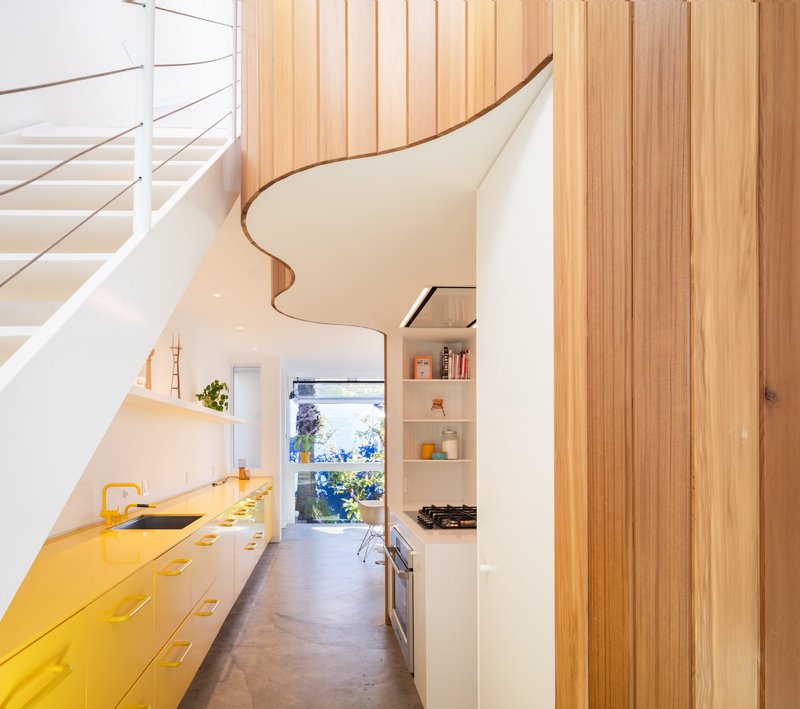
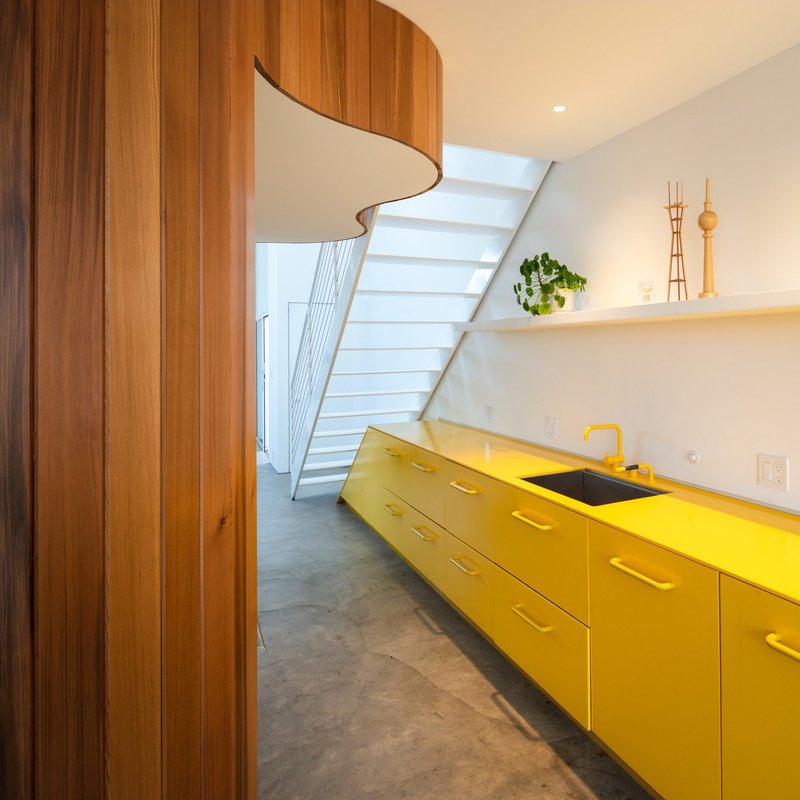
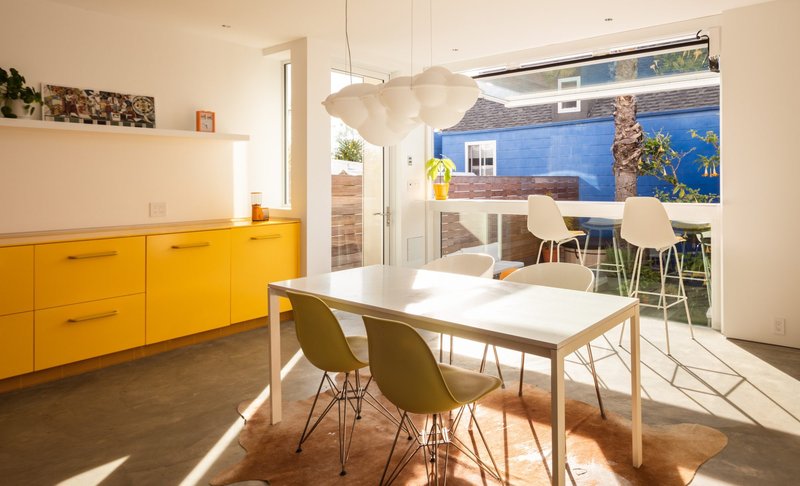
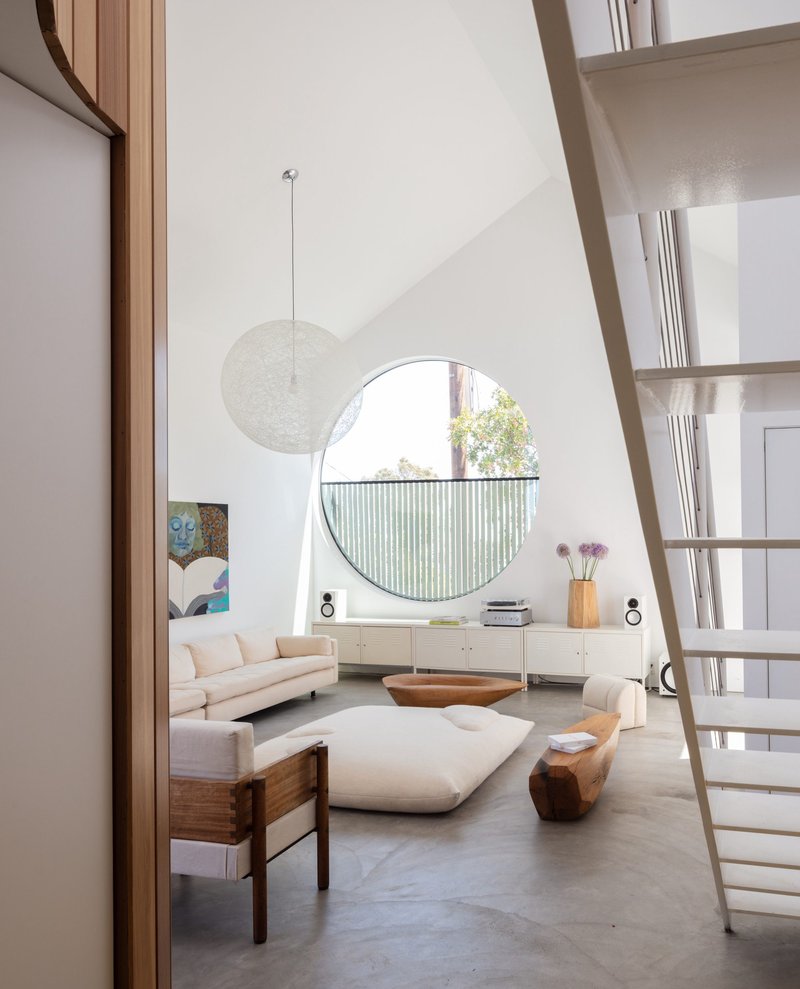
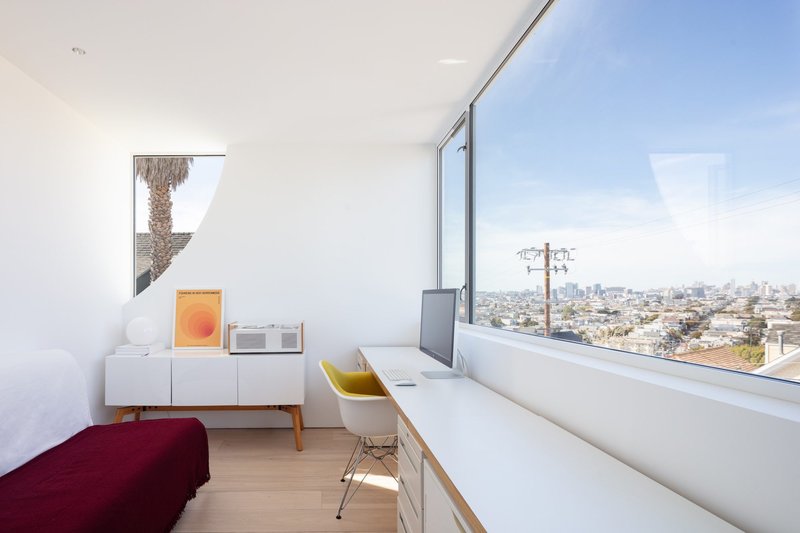
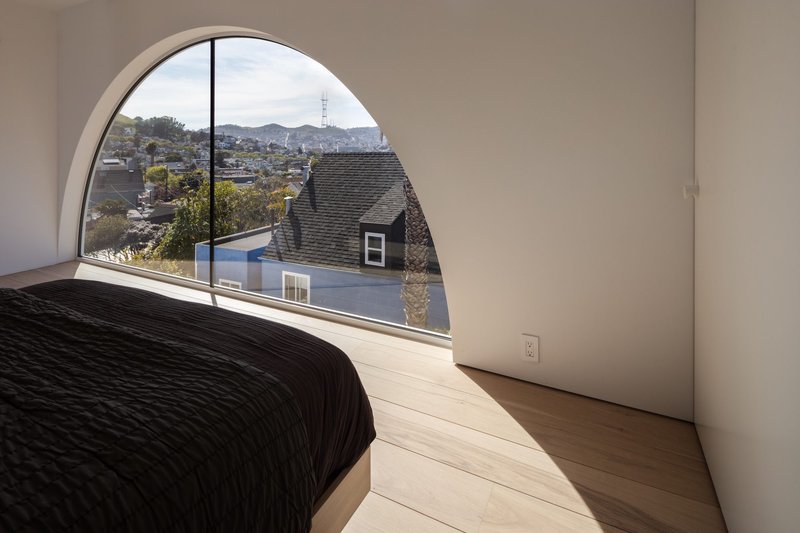
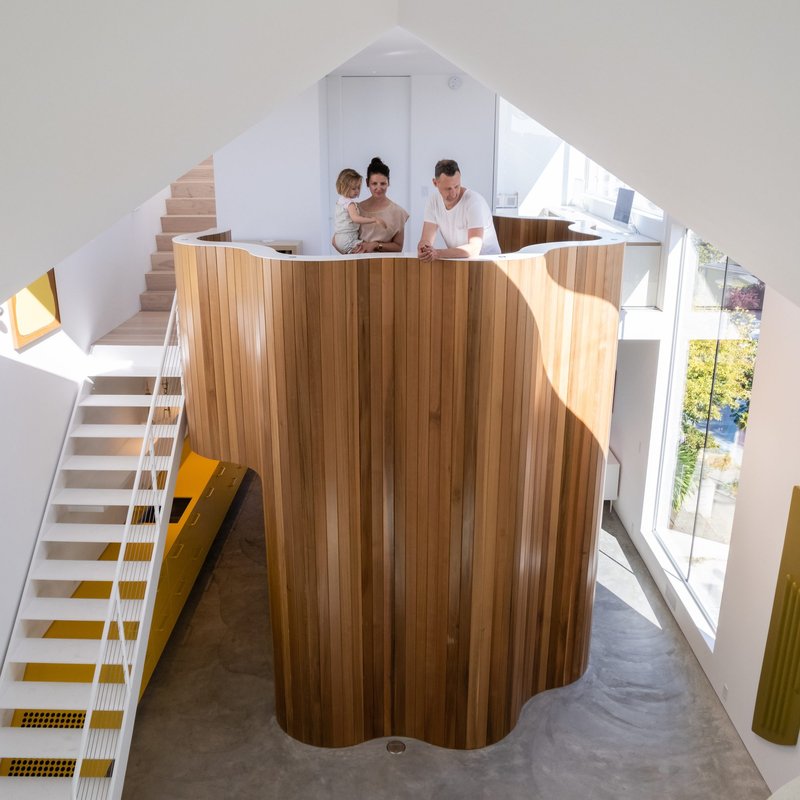
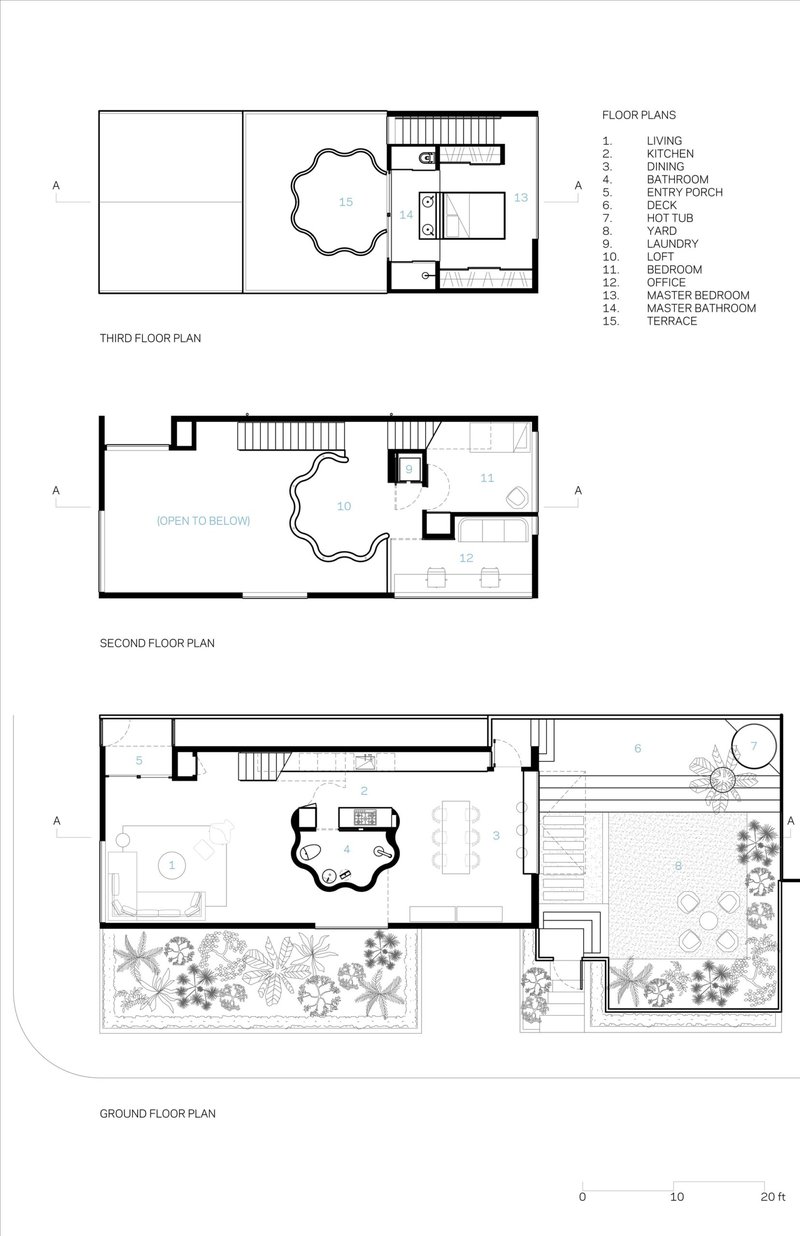
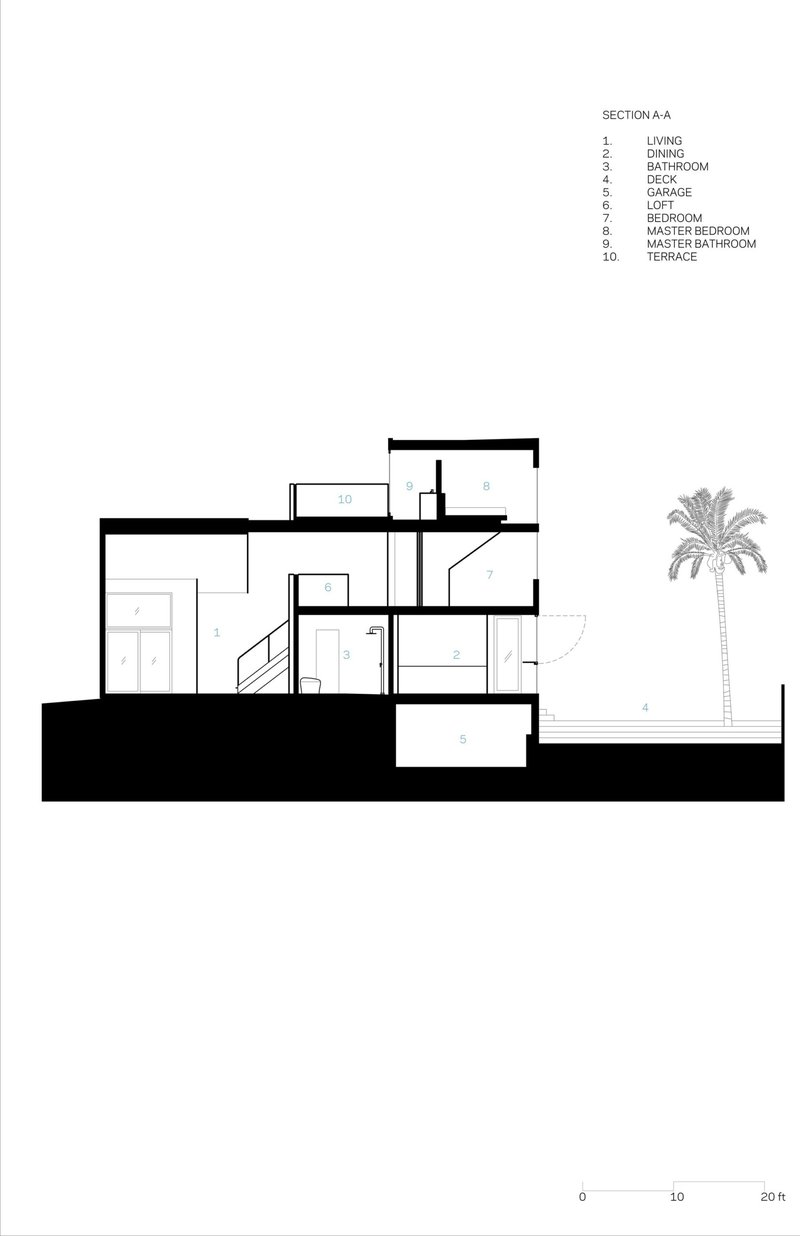
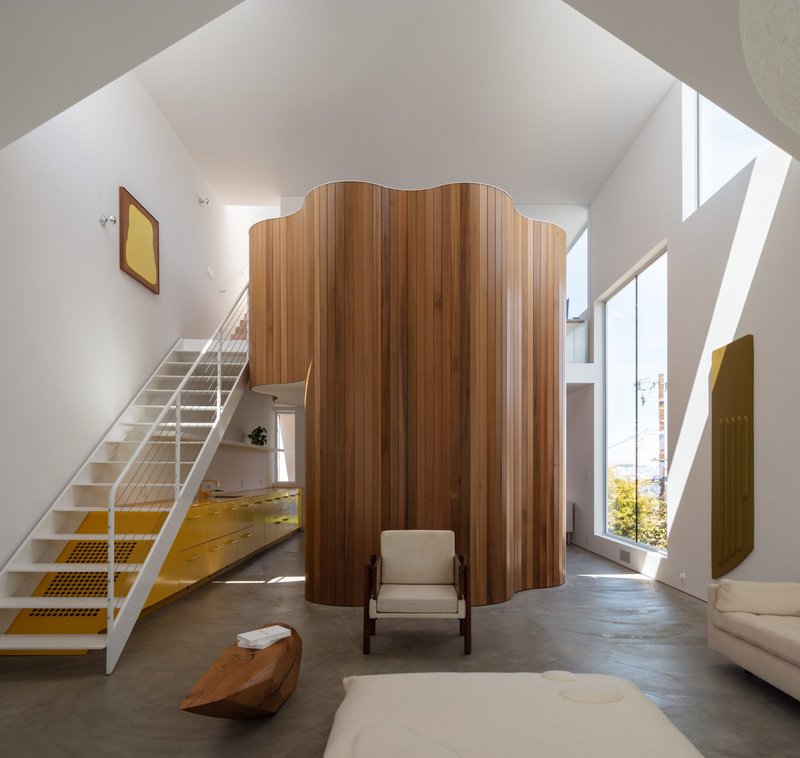
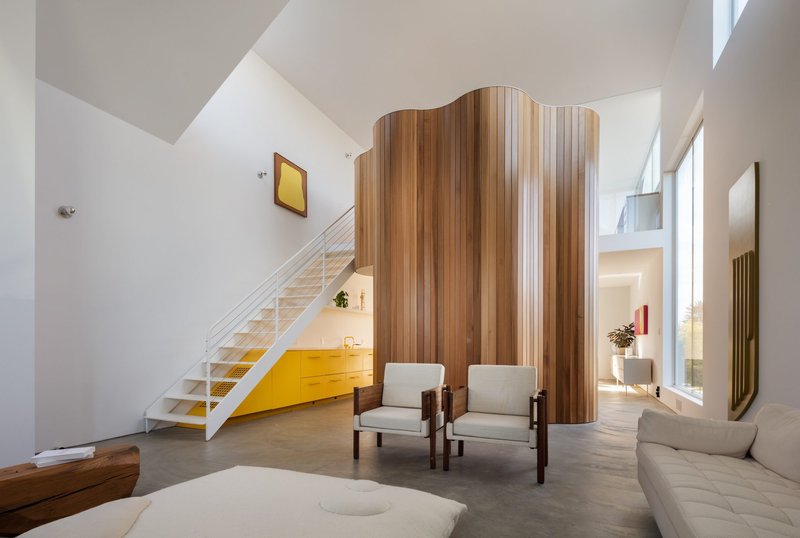
As one steps into this abode, the senses are immediately greeted by a harmonious blend of light and shadow, a dance choreographed by the positioning of windows and the play of sunlight. The open plan is an ode to fluidity, where space is both defined and undefined, marked by the ethereal presence of a free-standing, flower-shaped tower. This architectural flourish not only serves as the heart of the home but also as a reminder of the organic forms that inspire and nourish our creative spirits.
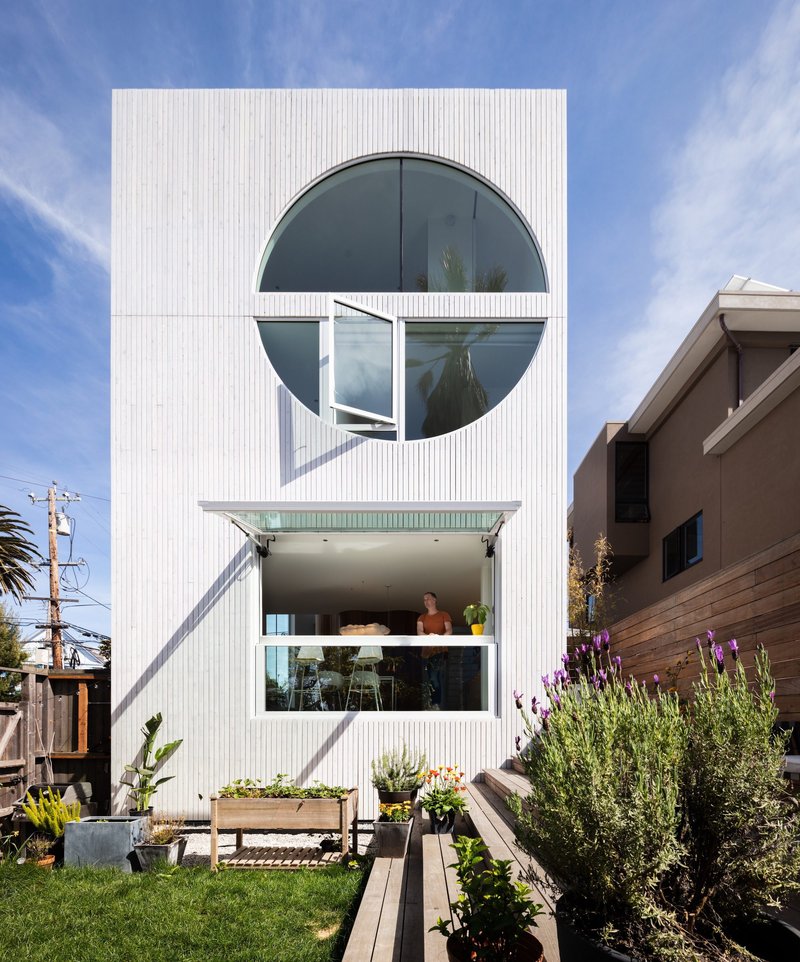
The choice of materials is a symphony of textures and hues, each surface inviting the touch, each color echoing the vibrancy of the city beyond. The tactile warmth of wood juxtaposes against the cool elegance of stone, creating an environment where every element speaks a language of its own, yet together they narrate a cohesive story.
Studio Ahead's curated selection of furniture and art further enhances the narrative, each piece chosen not merely for its aesthetic appeal but for its ability to contribute to the story of the space. Here, the furnishings are not mere objects but are participants in the spatial experience, each with a role to play in the unfolding drama of everyday life.
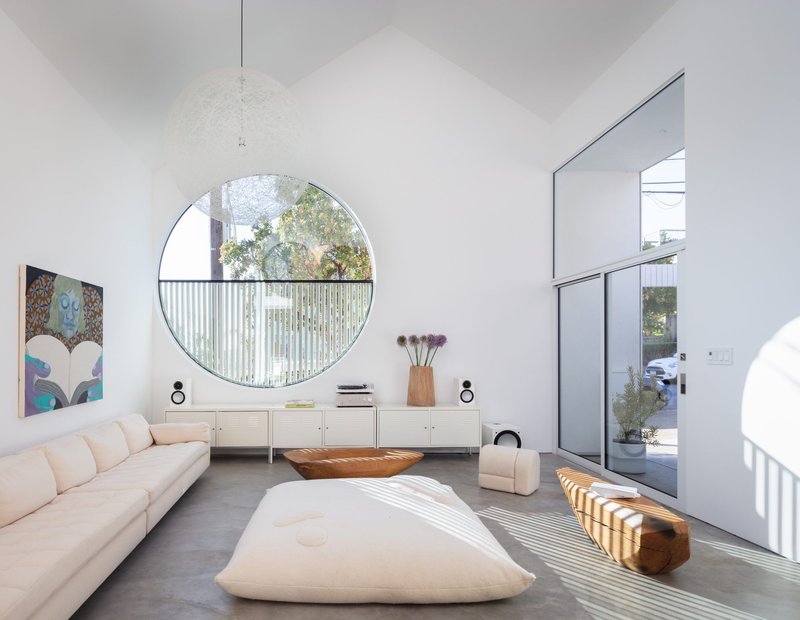
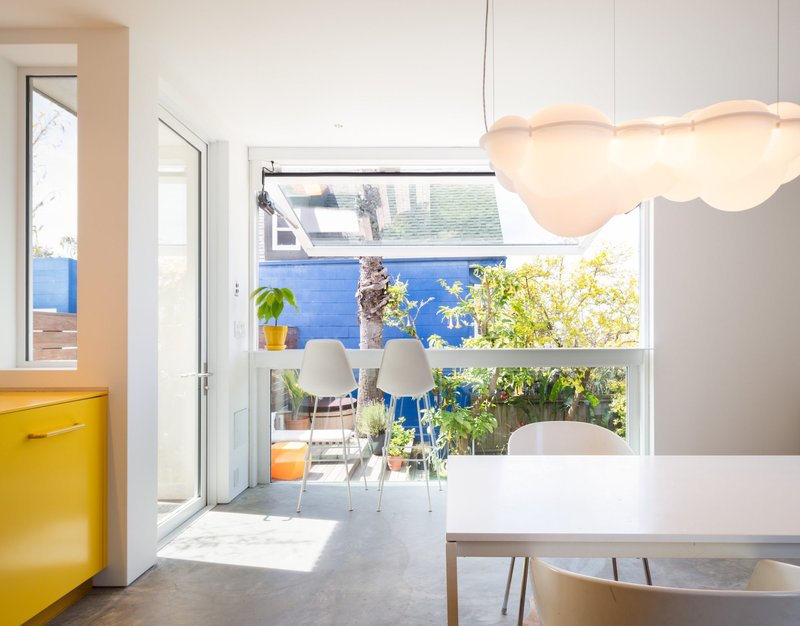
This is a space where the boundaries between the interior and the exterior blur, inviting nature in, and allowing life to spill outwards. The Flower House is not a static entity but a dynamic canvas, ever-changing with the seasons, the light, and the lives it shelters.
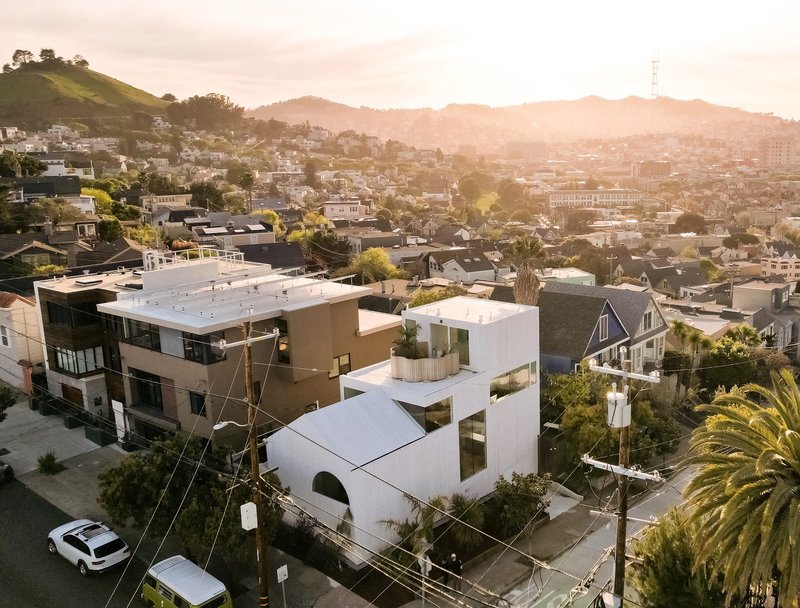
In this reimagining, the architects have neither obliterated the past nor bowed to it. Instead, they have created an environment that is both reverent and revolutionary, a dwelling that speaks to the enduring power of architecture to transform, to inspire, and to evoke. It is a space that challenges us to reconsider our relationship with the built environment, urging us to see beyond the mere physicality of walls and roofs, and instead to perceive the essence of presence and the poetry of place.
The Flower House invites us to dwell in possibility, to inhabit a world where the past informs the present, and the present paves the way for an imagined future, a future where architecture serves as both a vessel and a voice, telling the stories of those who inhabit it, and those who will come after.